
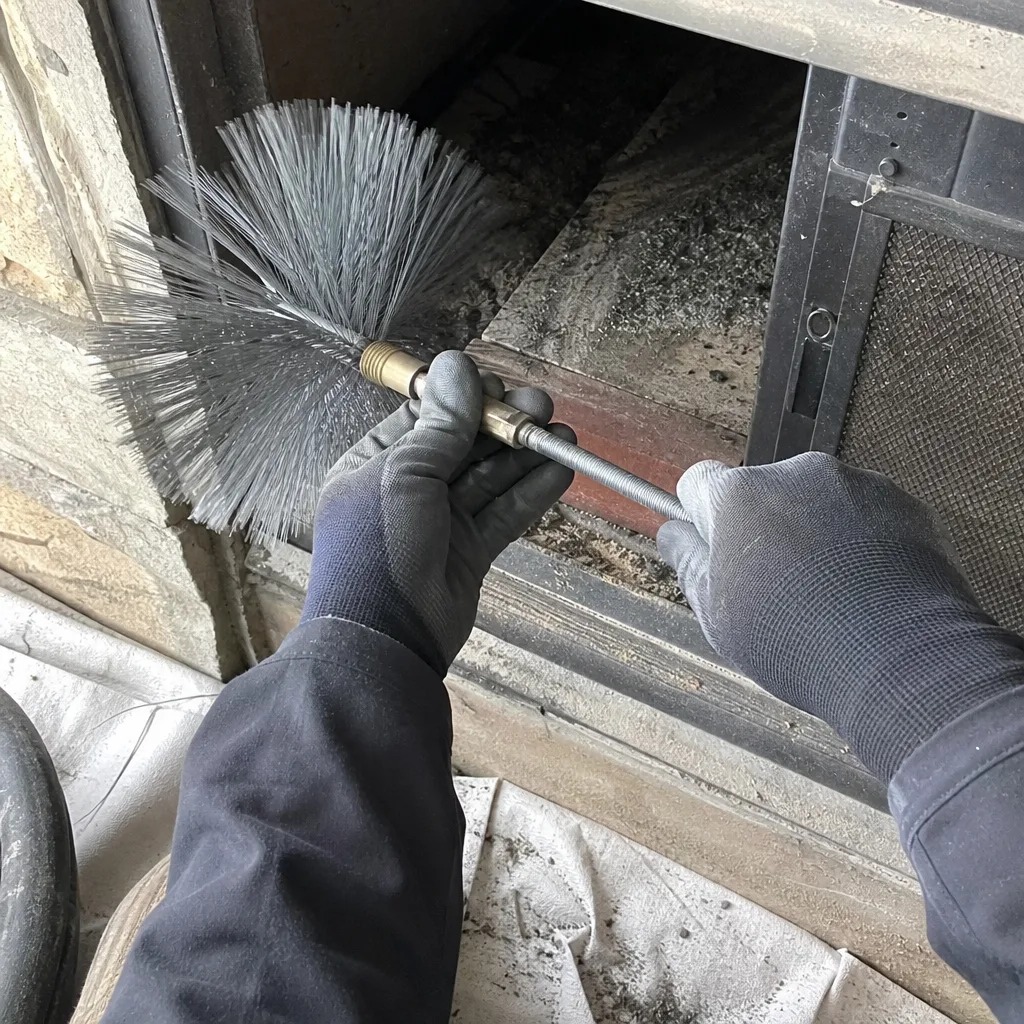
Last updated November 2, 2026
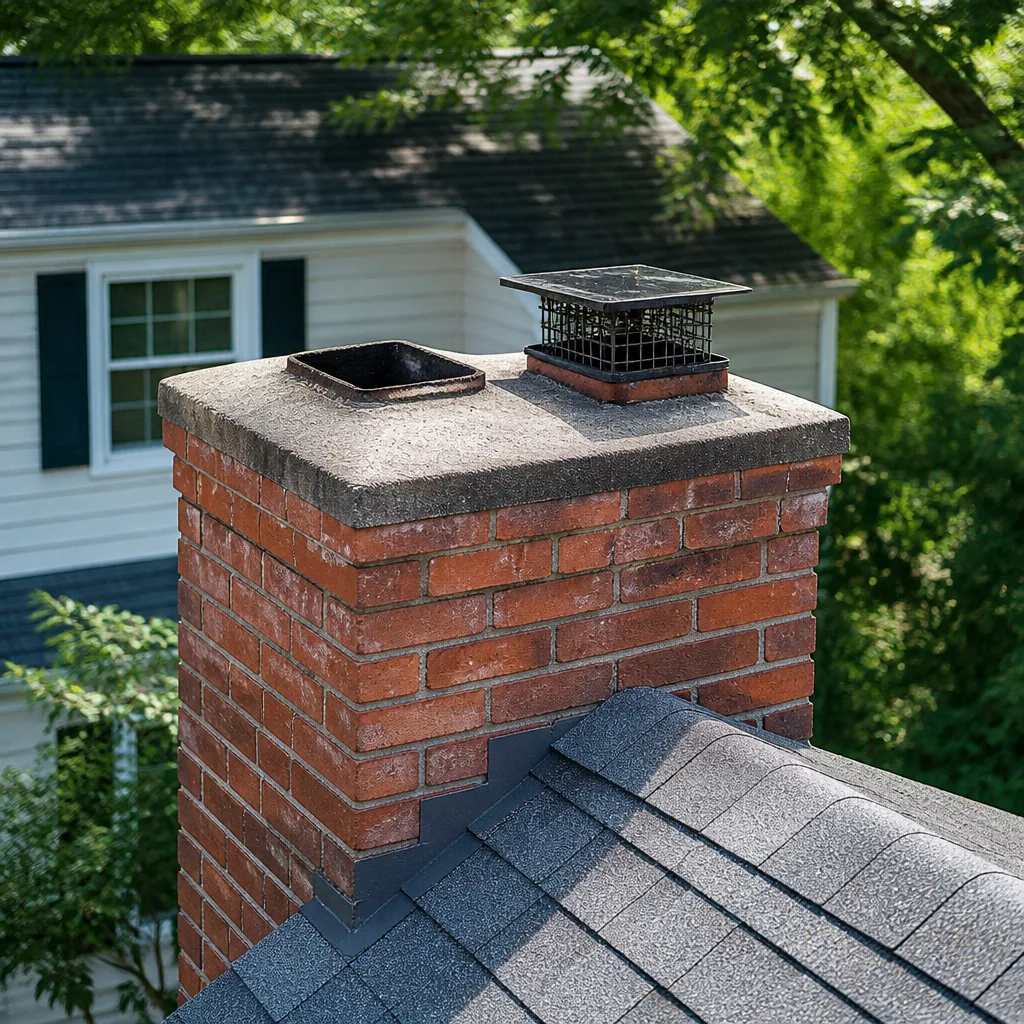 Sweep & inspection
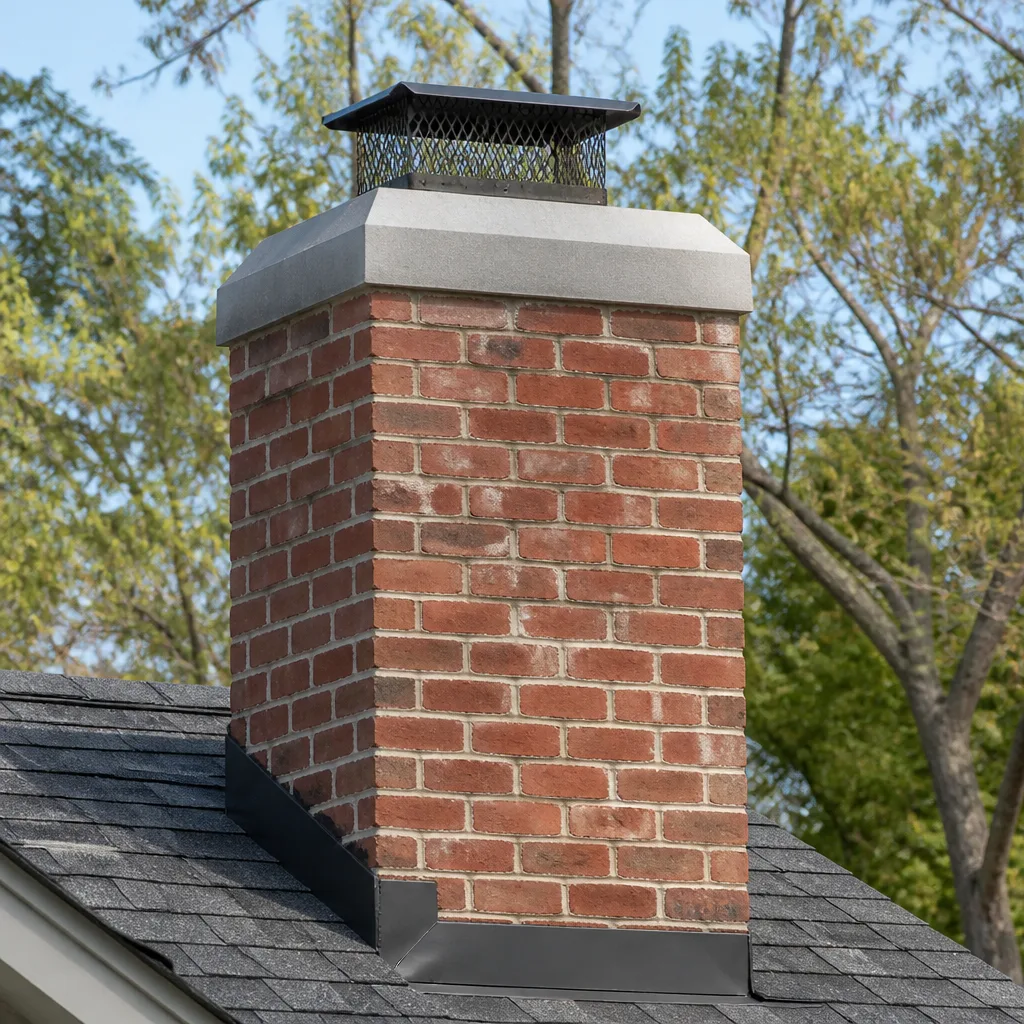 Caps & crowns
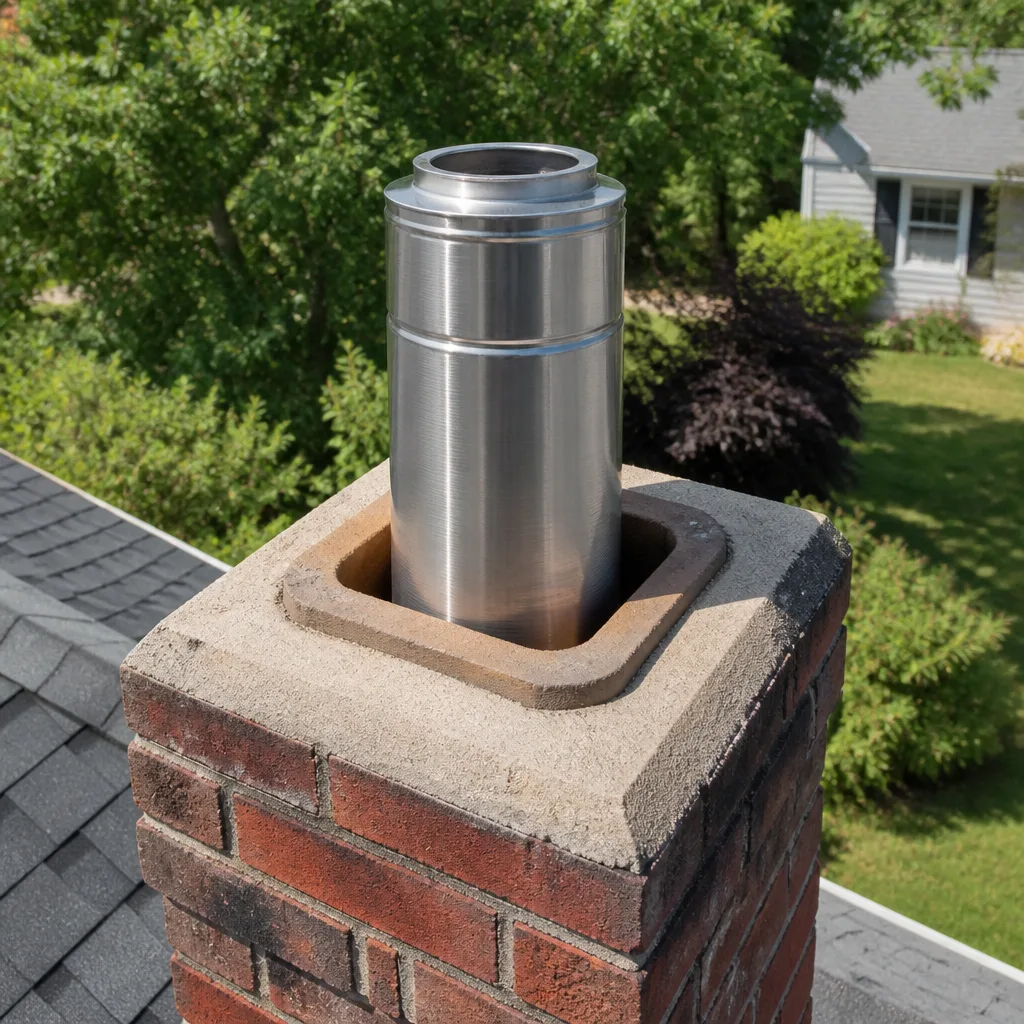 Flue relining
 Masonry repair
 Gas fireplace service
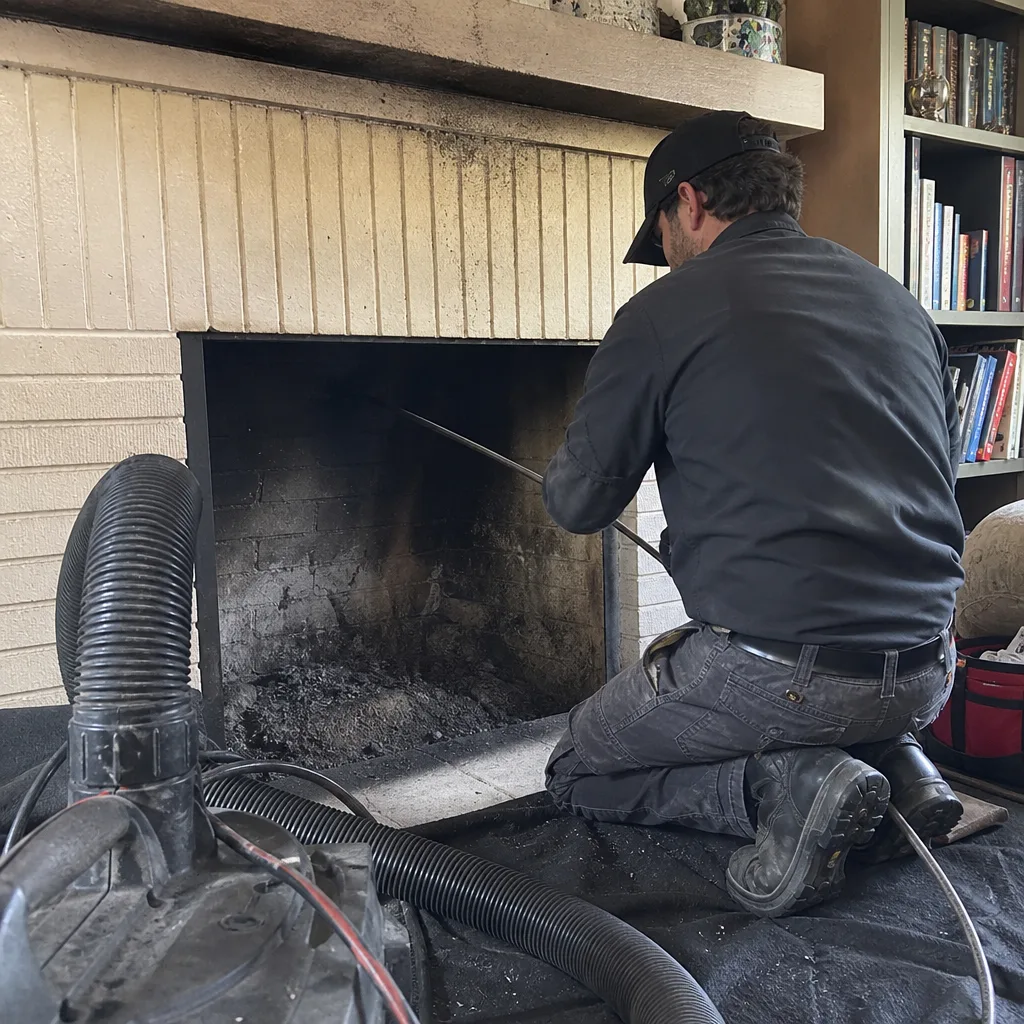
Level 1 sweep and inspection to the NFPA 211 annual standard - flue, crown, cap, and flashing checked and photographed
Chimney sweep logs do not sweep chimneys. They loosen some creosote - which then falls where a brush and vacuum still have to collect it.
Choosing the Right Chimney Cleaning Brand: A Buyer’s Guide for Mountain View
Here’s something most Mountain View homeowners never learn until after they’ve paid for a mediocre sweep: the rotary cleaning system hanging off the back of a contractor’s truck determines whether Stage 2 glazed creosote is actually removed or just polished and left in place. A brush on a rod will knock loose the fluffy stuff. It will not touch the shiny, tar-like glaze that builds up in wood-burning flues, and that glaze is exactly what fuels chimney fires. This guide explains what equipment matters, which product lines signal a serious operator, and the specific questions to ask before you let anyone near your flue. For The Complete Chimney Sweep Guide for Mountain View Homeowners, see our dedicated resource.
Quick Answer
Homeowners don’t need to buy chimney cleaning products themselves. What they need is a contractor who uses professional-grade rotary cleaning systems, camera inspection equipment, and recognized liner and sealant brands like DuraFlex, HeatShield, Famco, and Copperfield. Asking three specific questions about the contractor’s tools, cameras, and product lines will separate a full-system specialist from a generalist with a hardware-store brush kit.
Styles & brands we work with
- Sweep & inspection
- Caps & crowns
- Flue relining
- Masonry repair
- Gas fireplace service
Table of Contents
- Why Equipment Brands Matter More Than You’d Think
- Rotary Cleaning Systems vs. Rod-and-Brush: What Actually Removes Glazed Creosote
- Camera Inspection: What a Professional Flue Camera Shows That a Flashlight Can’t
- Sealants and Crown Coatings: ChimneySaver, CrownCoat, and What They Actually Protect
- Dryer Vent Cleaning Tools: Why the Tool Must Match the Duct Material
- The Three Questions That Reveal Whether You’re Dealing With a Specialist
- Product Lines Pros Trust: DuraFlex, HeatShield, Famco, and Copperfield
- Common Mistakes to Avoid
- When to Call a Professional
- Frequently Asked Questions
Why Equipment Brands Matter More Than You’d Think
The brand name printed on a chimney sweep’s rotary whip or liner kit is not about vanity. It’s about whether the equipment was engineered for the specific conditions inside a flue: temperatures that swing hundreds of degrees in a single burn cycle, acidic condensation from gas appliances, and creosote deposits that harden into a material closer to asphalt than soot. Hardware-store kits are built for light maintenance. Professional product lines are built for the worst-case flue, because the contractor who uses them cannot afford callbacks.
In Mountain View, older homes add another layer. Many were built before modern liner standards, and their flues run through masonry that has seen decades of seismic movement, rain exposure, and thermal cycling. A sweep who works with professional-grade product lines and stocks them on the truck can identify a compromised liner and address it the same week. A sweep-only operator with a basic brush will mark it on a report and hand you a business card for someone else. That handoff is where problems get postponed, and postponed chimney problems become chimney fires or carbon monoxide leaks.
We’ve seen this pattern repeat across the South Bay. The difference between a contractor who can diagnose and fix versus one who can only inspect and refer comes down almost entirely to the equipment and product lines they carry.
Rotary Cleaning Systems vs. Rod-and-Brush: What Actually Removes Glazed Creosote
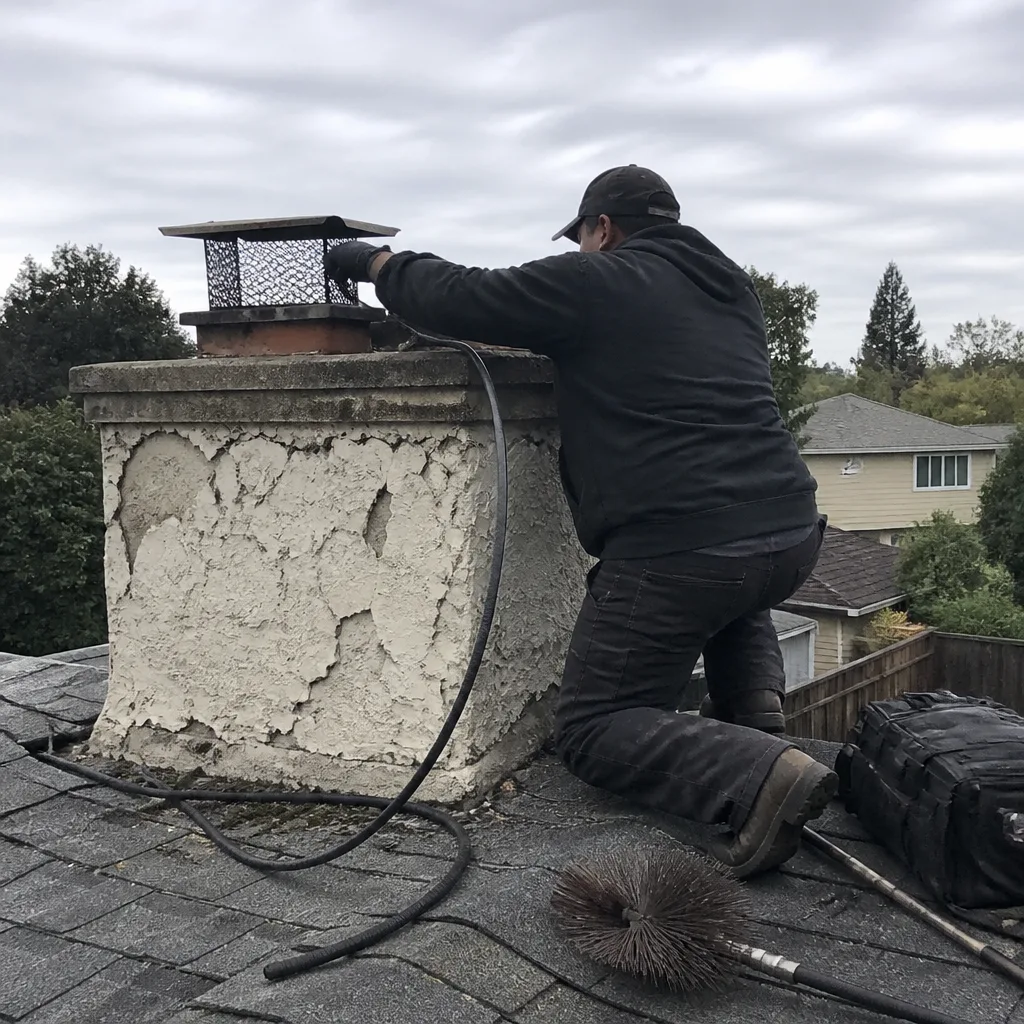
A rotary cleaning system uses a spinning head, typically equipped with flexible polymer whips or metal cable strands, driven by a drill or dedicated motor. The rotational force scrapes the flue walls with hundreds of impacts per minute, breaking the bond between creosote and the flue liner. A traditional rod-and-brush system pushes or pulls a static brush through the flue. That works for Stage 1 creosote, the dry, flaky soot that accumulates after light use. It does not work for Stage 2 creosote, the shiny, tar-like glaze that forms when flue temperatures stay low enough for condensation but high enough to bake the residue hard.
Stage 2 creosote is the one that matters in Mountain View. Mild winters and damp coastal air mean homeowners run fires at lower temperatures more often, especially in shoulder seasons. Low-temperature burns produce more condensation in the flue. That condensation traps soot and creates glaze faster than a hot, roaring fire ever would. A rod-and-brush sweep will leave that glaze intact. The homeowner sees a cleaner flue and assumes the job was done. It wasn’t.
Rotary systems like the SootEater and equivalent professional tools are the standard for glazed creosote because they apply the mechanical force needed to break it. The spinning action also reaches the corners of square or rectangular flue tiles, where static brushes leave carbon stripes that are visible in camera inspection footage. If your sweep does not use a rotary system, ask what their procedure is for Stage 2 creosote. A confident answer will involve a rotary tool and possibly a chemical treatment like a creosote modifier. A vague answer is your signal to keep looking.
Camera Inspection: What a Professional Flue Camera Shows That a Flashlight Can’t
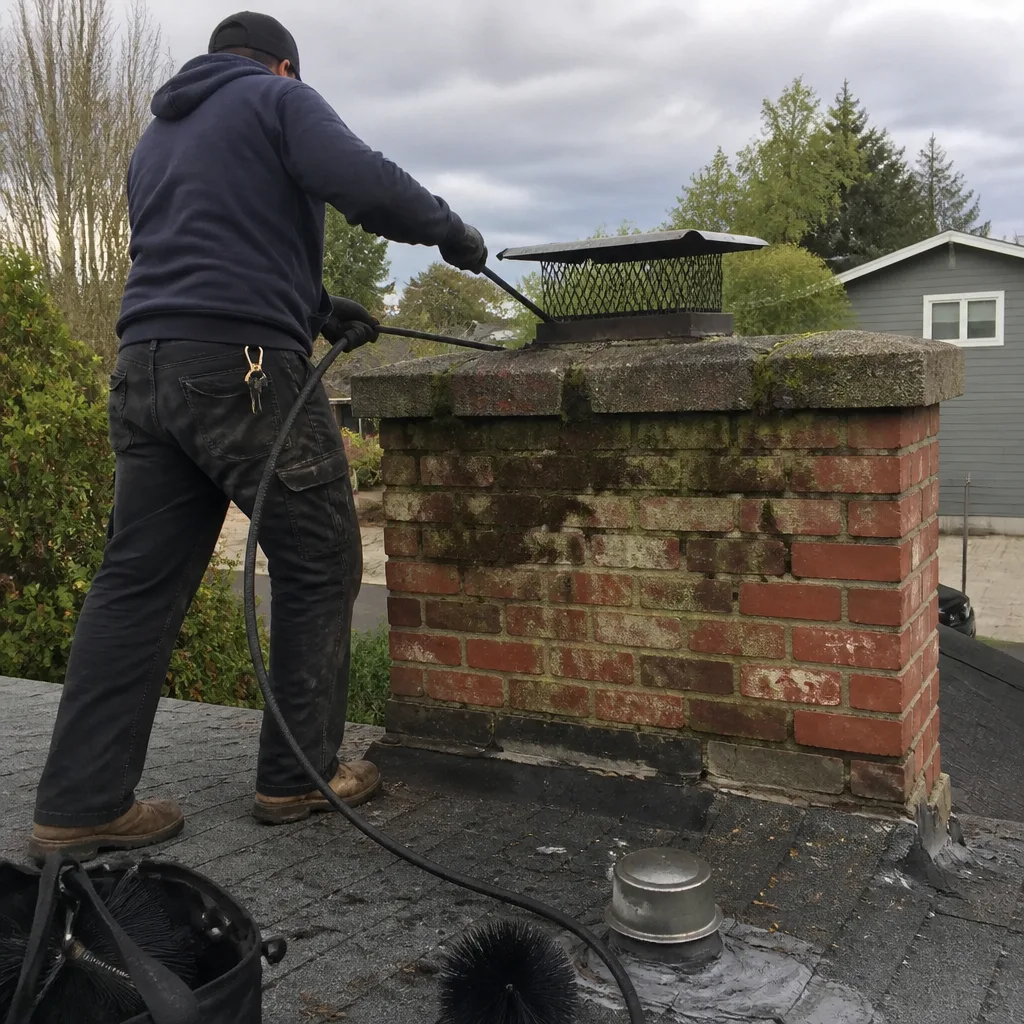
A flashlight pointed up a chimney shows you the first three feet of flue. Maybe. It shows the smoke chamber if you angle it right, and it shows nothing past the first bend or offset. A professional flue camera, the kind used by Chimney Sweep Mountain View home service teams on every inspection, travels the full length of the flue on a push rod and records what it sees. That footage shows hairline cracks in clay liner tiles, gaps at the mortar joints, water staining, animal nesting material, and creosote buildup in the upper third of the flue, where it is most likely to ignite and least likely to be found by eye.
The difference matters when a contractor tells you your liner is failing. Without camera footage, that claim is unverifiable. With camera footage, you can see the crack, the gap, or the spalling tile for yourself. You can make a decision based on evidence rather than a sales pitch. Any contractor who recommends a liner replacement or HeatShield resurfacing should be able to show you the footage and point to the exact frame that justifies the recommendation. If they cannot, you are not dealing with a full-system specialist.
In our experience in Mountain View, camera inspection changes the conversation completely. Homeowners who see the condition of their flue stop asking whether they need work and start asking what work will last the longest. That’s the right question, and it’s only possible with video evidence.
Sealants and Crown Coatings: ChimneySaver, CrownCoat, and What They Actually Protect
A chimney crown is the concrete slab that caps the masonry at the top of the chimney. It is the first line of defense against water intrusion, and it fails in predictable ways: small shrinkage cracks form within a few years of construction, freeze-thaw cycles widen them, and water seeps into the brick and mortar below. Once water is inside the masonry, it corrodes the rebar, spalls the brick faces, and migrates down to the liner. The fix is a crown coating, and the product matters.
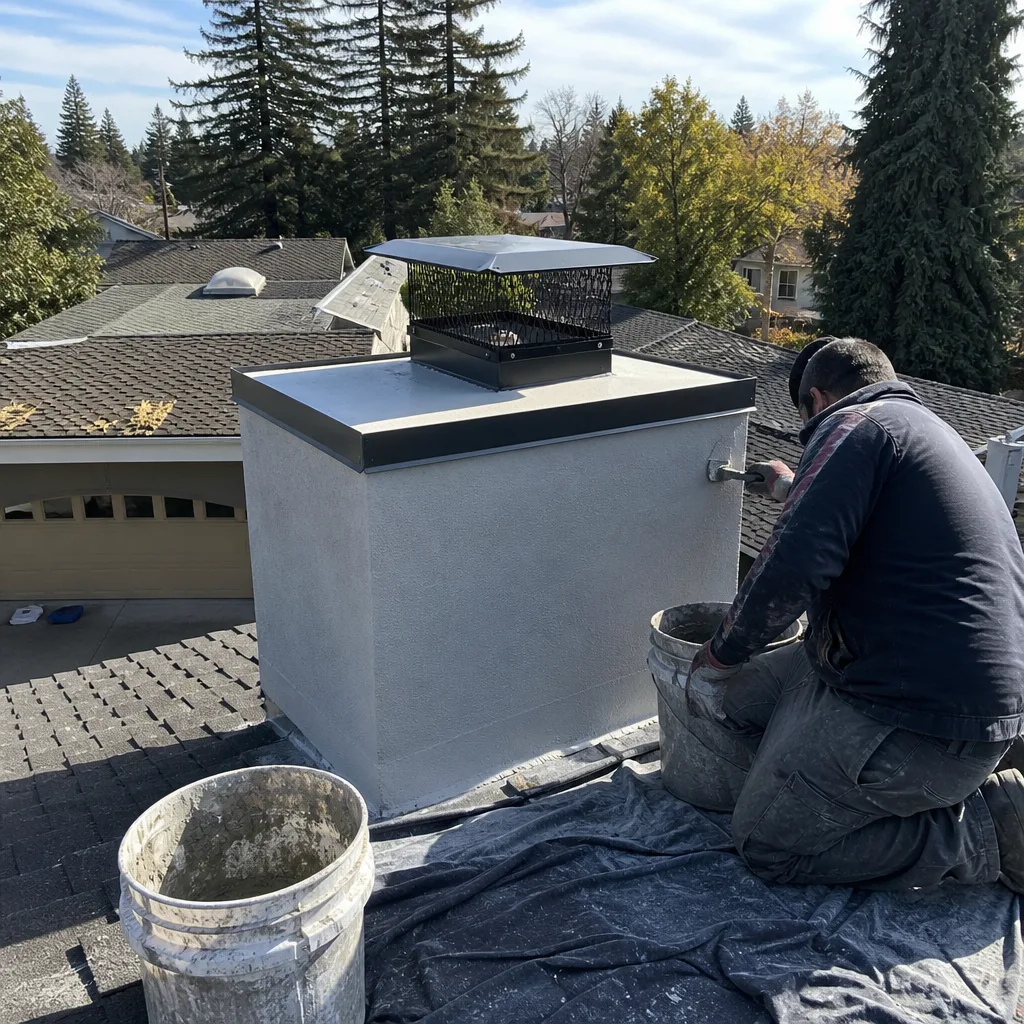
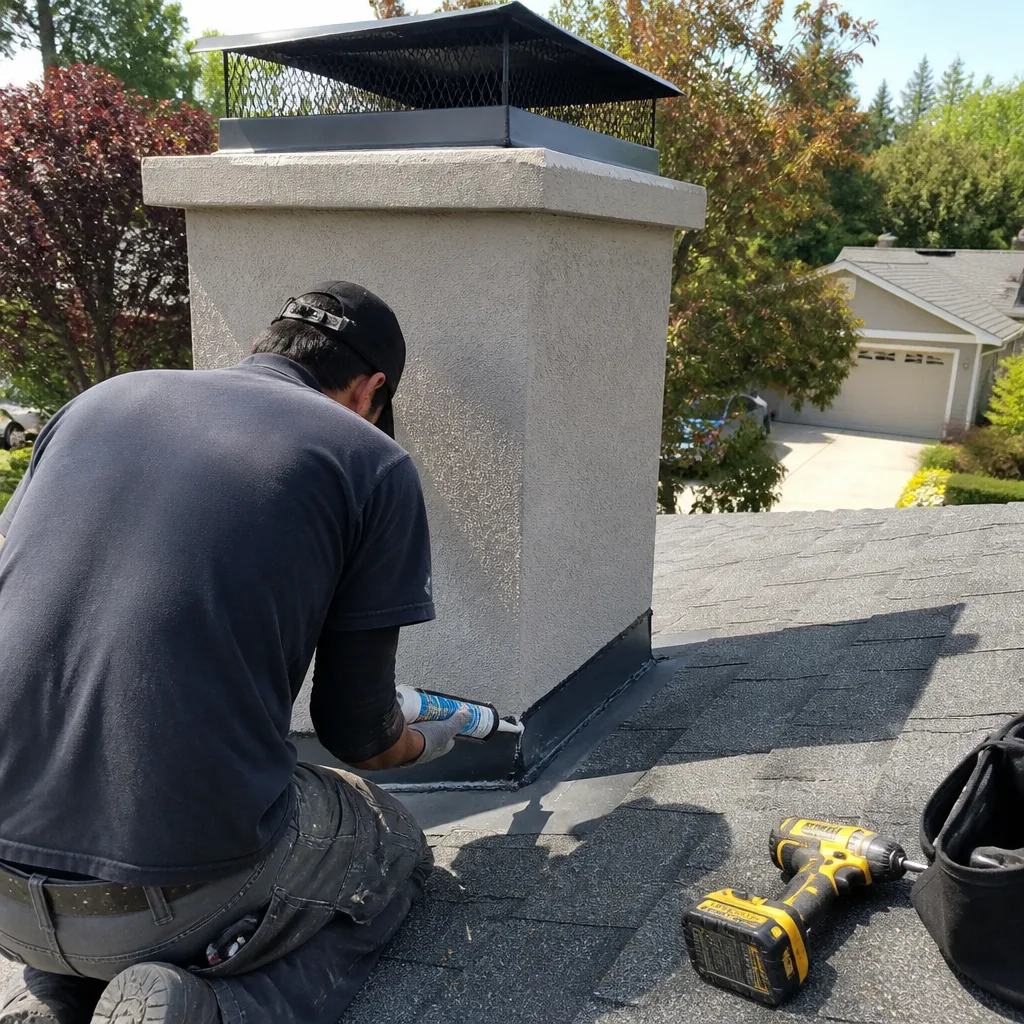
ChimneySaver and CrownCoat are recognized names in this category because they are formulated for the specific job: they remain flexible enough to bridge minor movement, they bond to concrete, and they seal against water while still allowing the masonry to breathe. A DIY acrylic or latex sealant from a big-box store will crack within a season or two. A professional application includes cleaning the crown surface, filling any voids, and applying the coating at the correct thickness across the entire crown, including the drip edge where most failures begin.
Waterproofing the chimney exterior is a related service, and the same logic applies. Masonry sealants like ChimneySaver’s water repellent soak into the brick and mortar rather than forming a surface film. That is the difference between a product that protects for years and one that traps moisture behind a plastic shell and accelerates spalling. In Mountain View’s wet winters, a properly sealed crown and water-repellent-treated masonry can add decades to a chimney’s service life.
Dryer Vent Cleaning Tools: Why the Tool Must Match the Duct Material
Dryer vents are the other fire risk in the house, and the tools used to clean them are not interchangeable. The wrong tool in the wrong duct either does nothing or destroys the duct. Here’s the breakdown:
- Foil flex ducts: the thin, accordion-style connectors used behind most dryers. A stiff-bristle rotary brush will tear these apart. They require a soft-bristle brush or a low-torque rotary head sized for the narrow diameter. Many pros replace foil flex outright if it’s crushed or kinked, because it cannot be cleaned effectively once deformed.
- Rigid metal ducts: the gold standard for dryer exhaust. A rotary brush with metal or stiff polymer bristles cleans these thoroughly without damage. This is where rotary systems earn their keep: they scuff the entire interior wall and remove the lint shell that static brushes miss.
- Semi-rigid aluminum ducts: a middle ground commonly found in Mountain View homes where space constraints prevent full rigid installation. These tolerate moderate rotary cleaning but require a technician who can feel the difference between scrubbing lint and shredding the duct wall.
- Famco components: professional-grade termination caps, wall collars, and connectors that match the duct system. Improvised or mismatched components are a common source of leaks and lint accumulation, and they are a giveaway that the last person to touch the vent was not a venting specialist.
This is where the full-system approach matters. A chimney sweep who also handles Dryer Vent Cleaning in Mountain View understands that both systems move the same dangerous byproducts out of the house: combustion gases and heat in one case, lint and moisture in the other. The cleaning tools are different, but the failure modes are similar, and the inspection discipline carries over. A sweep who ignores dryer vents is leaving half the fire risk on the table.
The Three Questions That Reveal Whether You’re Dealing With a Specialist
You do not need to become a chimney technician to vet one. You need to ask three questions and listen carefully to the answers. A full-system operator will answer each one directly and without hesitation. A sweep-only generalist will hedge, deflect, or change the subject.
- “What type of rotary cleaning system do you use, and how do you handle Stage 2 creosote?” Any professional working with wood-burning chimneys should be able to name their rotary tool and describe their glazed creosote protocol. If the answer is “we use brushes,” ask how they remove hardened glaze. If they don’t have a clear procedure, they’re a basic maintenance sweep, not a full-system contractor.
- “Do you run a camera on every inspection, and can I see the footage?” The answer should be yes on both counts, no exceptions. Camera inspection is the standard of care for any chimney work beyond a simple visual check. Video footage is your evidence, and no legitimate contractor should hesitate to show it to you and explain what you’re looking at.
- “Which liner and sealant product lines do you work with?” Look for names like DuraFlex, HeatShield, ChimneySaver, or CrownCoat. A contractor who can name specific professional product lines and explain which one fits which situation has real diagnostic depth. One who says “we use whatever the supplier has” or cannot name a single liner brand is probably not equipped to handle anything beyond a basic sweep.
These questions are not a quiz designed to trip anyone up. They’re a quick triage of capability. In Mountain View, where older masonry and gas appliances are common, the difference between a sweep who can pass this test and one who can’t is the difference between a solved problem and a postponed one.
Product Lines Pros Trust: DuraFlex, HeatShield, Famco, and Copperfield
Professional product lines exist because the job demands more than generic parts can deliver. Here’s what a few of them mean in practice, and why a contractor’s familiarity with them matters to you.
DuraFlex makes flexible stainless steel liner systems designed for relining existing masonry chimneys. The advantage of a flexible liner in an older Mountain View home is that it can navigate offsets, corbels, and irregular flue dimensions without cutting masonry open. A contractor who stocks DuraFlex can size and install a liner for a non-standard flue in one appointment rather than ordering parts and returning two weeks later. DuraFlex is also a leading brand in aluminum liners for gas appliances, which is relevant to the many Mountain View homes heated with gas furnaces and water heaters vented through the chimney.
HeatShield is a chimney liner resurfacing system, a cerfied alternative to full relining in specific situations. The process restores the interior surface of a damaged clay tile liner by filling cracks and gaps with a specialized material, forming a new, smooth flue wall without removing the old liner. It is not right for every chimney, and a responsible contractor will be clear about which liners qualify and which need full replacement. The value to the homeowner is the ability to address moderate liner damage without the cost and disruption of a full tear-out. A company that offers HeatShield has a tool in its kit that sweep-only operations simply do not.
Famco makes dryer vent components: end caps, connectors, collars, and related hardware built to match the duct system rather than whatever is on the shelf at the hardware store. When a vent system is pieced together from mismatched parts, the joints leak lint and moisture into wall cavities and attics. Famco-habitual contractors see these details because they work on the full vent system every day. That same discipline is why Chimney Repair in Mountain View is stronger when the team understands both chimney and dryer vent systems as connected parts of a home’s exhaust infrastructure. This is one brand where a great contractor recognizes the details others miss.
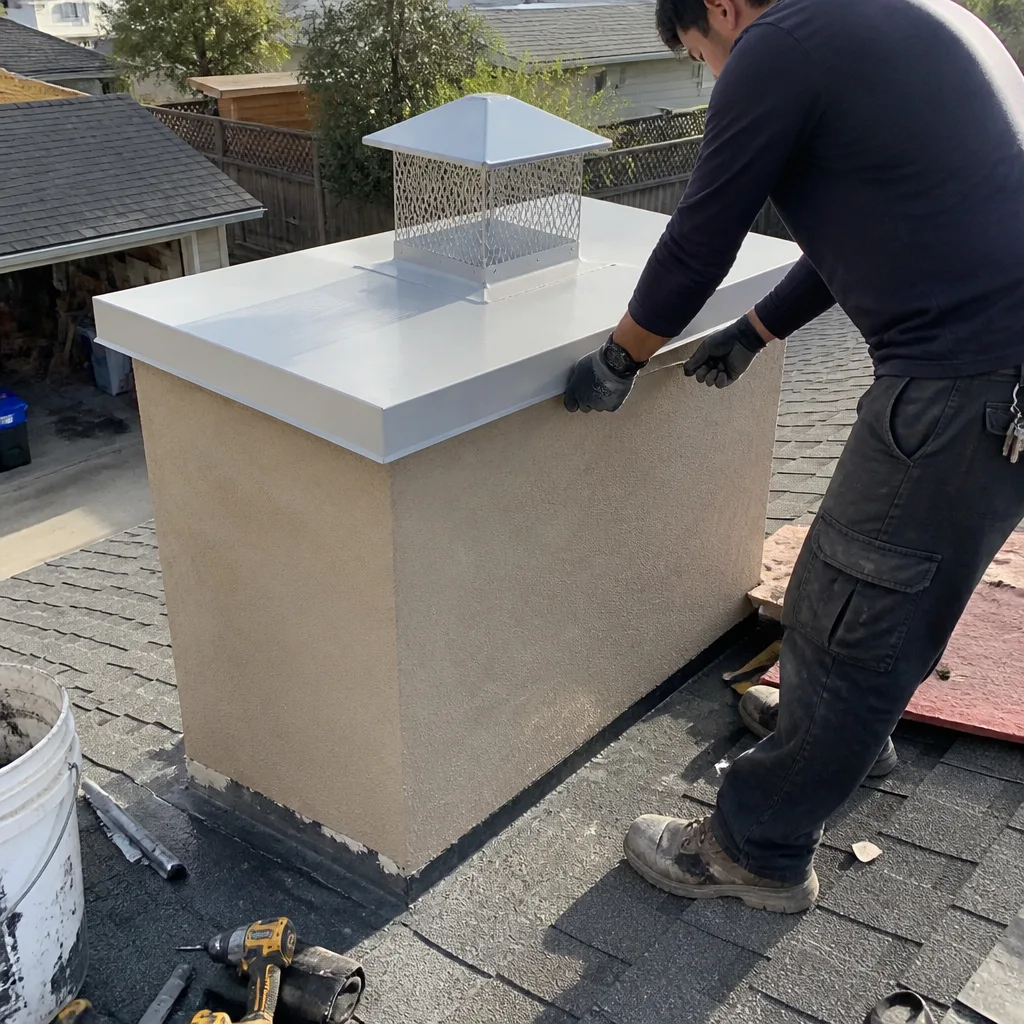
Copperfield manufactures chimney components including caps, dampers, and chase covers. These are the parts that keep rain, birds, and downdrafts out of the flue. A contractor who stocks and installs Copperfield components rather than generic caps is paying attention to fit, material quality, and longevity. In Mountain View’s rainy season, a properly fitted cap is not optional; it is the difference between a dry flue and a water-damaged liner.
A sweep who works with all of these lines, and with the other pro-grade products that round out a venting toolkit, is operating a full-service business. A sweep who recognizes only the brush on the truck is not. The product lines themselves are the signal.
Common Mistakes to Avoid
- Choosing a sweep based on price alone. A $99 special almost always means a rod-and-brush sweep with no camera inspection and no rotary tool. You will pay again when the glaze remains and the problem compounds.
- Skipping the camera footage. If the sweep can’t or won’t show you video of your flue before and after cleaning, you have no evidence the job was done or that the liner is sound. In Mountain View, some companies now provide this standard. Demand it.
- Treating dryer vents as a separate contractor problem. Most chimney sweeps do not touch dryer vents, and most dryer vent cleaners know nothing about chimneys. Hiring two contractors for what should be one full-system check leaves gaps in both.
- Applying waterproofing or crown sealant yourself without addressing the underlying cracks. A sealant over a failing crown hides the problem and accelerates damage. The surface must be cleaned and repaired before it is sealed.
- Assuming a gas chimney needs no maintenance. Gas appliances vent acidic condensation that corrodes liners from the inside. A gas flue can develop serious problems while producing no visible smoke or soot.
- Waiting for visible signs before calling. By the time you see water stains on the ceiling, spalling brick on the exterior, or a fireplace that won’t draw, the underlying problem has been developing for months or years. A camera inspection finds it earlier.
When to Call a Professional
Call a full-system chimney contractor if you’ve just moved into an older Mountain View home and have no maintenance records for the fireplace or dryer vent. Call if you burn wood more than occasionally and have never had a camera inspection done. Call if you see any efflorescence, which is white staining on exterior brick, because that indicates water is moving through the masonry. Call if your dryer takes longer than 45 minutes to dry a normal load, because that is a vent restriction signal. Call if you will be burning regularly before the rainy season starts. Chimney Sweep in Mountain View offers the full-system approach described in this guide: rotary cleaning, camera inspection, repair capability, and the pro product lines that make the difference. Estimates are free in Mountain View. Call (866) 596-8327 to schedule one.
Frequently Asked Questions
A Mountain View contractor should use professional-grade rotary cleaning systems rather than basic rod-and-brush kits, along with a flue camera for full inspection. The specific brand matters less than the capability it represents: a rotary tool like a SootEater for glazed creosote and a video system for documented liner inspection. Hardware-store brush kits are the marker of a maintenance-only operator.
No. Homeowners should not buy chimney cleaning products for a do-it-yourself sweep. Creosote removal is a job for a trained professional with rotary equipment and camera verification, especially in Mountain View homes burning wood in mild shoulder-season weather, which produces the glazed creosote that DIY brushes cannot remove.
A chimney sweep cleans the flue. A full-system contractor cleans, inspects with a camera, repairs liners, installs crown coatings, and services dryer vents under the same roof. The difference is whether the company can act on what it finds. Sweep-only operations hand off repairs to subcontractors, which delays fixes and breaks accountability.
HeatShield is a ceramic chimney liner resurfacing system that restores the interior of a damaged clay tile liner without removing it. It is the right choice when a camera inspection shows moderate cracking or joint failure in a liner that is otherwise structurally sound. Full relining with DuraFlex is the better option when the damage is extensive or the flue is severely misaligned.
The National Fire Protection Association recommends cleaning when creosote buildup reaches 1/8 inch, and an annual inspection is the minimum for any wood-burning chimney. In Mountain View’s damp climate, which promotes creosote condensation, active wood burners should expect an inspection and likely cleaning every year before the burning season.
Yes, gas fireplaces need an annual service and inspection, not a traditional creosote sweep, but a check of the venting system, liner condition, and termination cap. Gas combustion produces acidic condensation that corrodes liners silently, and Mountain View’s many gas-appliance homes should have a camera inspection on schedule even if no wood is burned. Call (866) 596-8327 to arrange a free estimate.
The Bottom Line
The right chimney cleaning brand is less about a logo on a truck and more about the equipment and product lines behind it. Rotary cleaning systems remove glazed creosote that rod-and-brush sweeps leave behind. Camera inspection provides evidence you can see for yourself. Professional liner brands like DuraFlex and HeatShield mean the contractor can fix what the camera finds, and a sweep who also services dryer vents under the same roof is covering the full fire-risk envelope. Ask the three questions. Demand the footage. Choose the full-system specialist.
Written by the team at Chimney Sweep Mountain View, serving Mountain View since 2015. Explore more guides & resources from our team.
See the difference
 Before
 After
 Before
 After
 Before
 After