
Last updated November 2, 2026
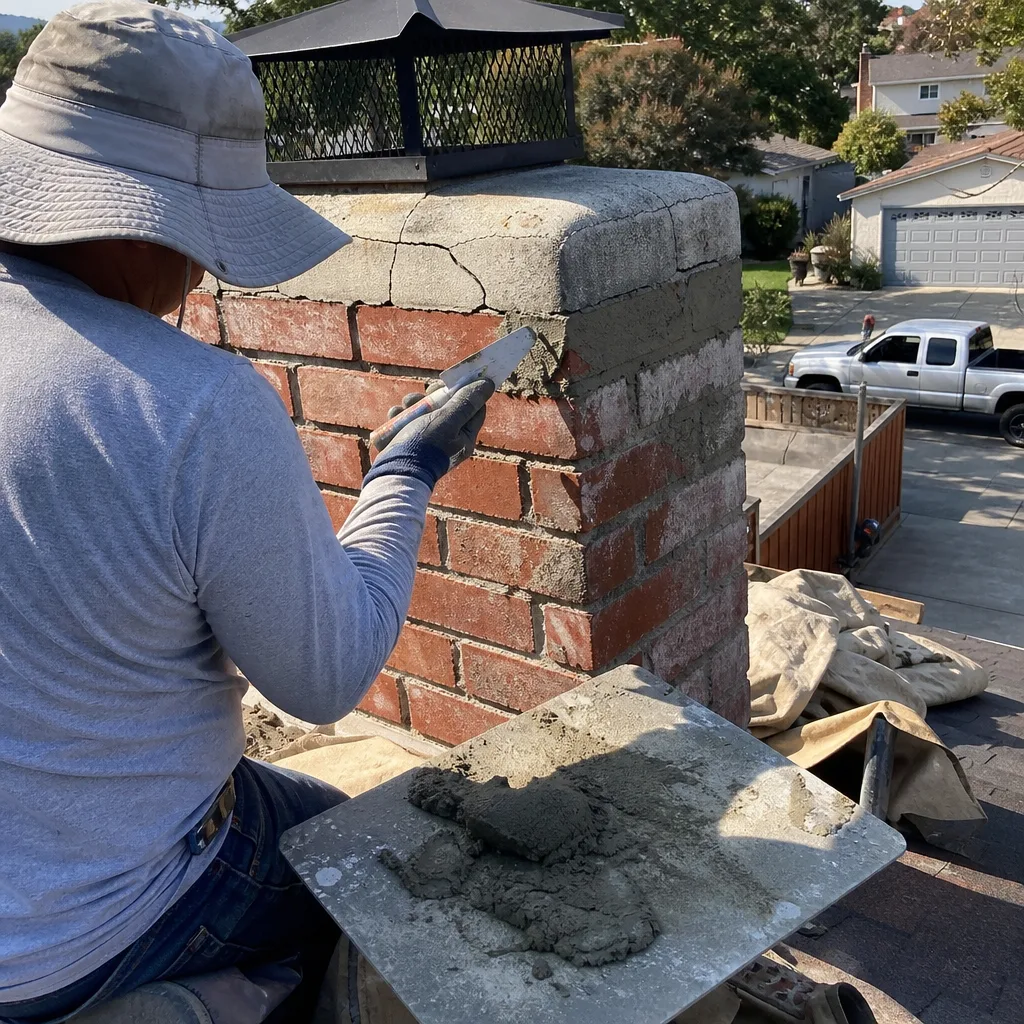
 Sweep & inspection
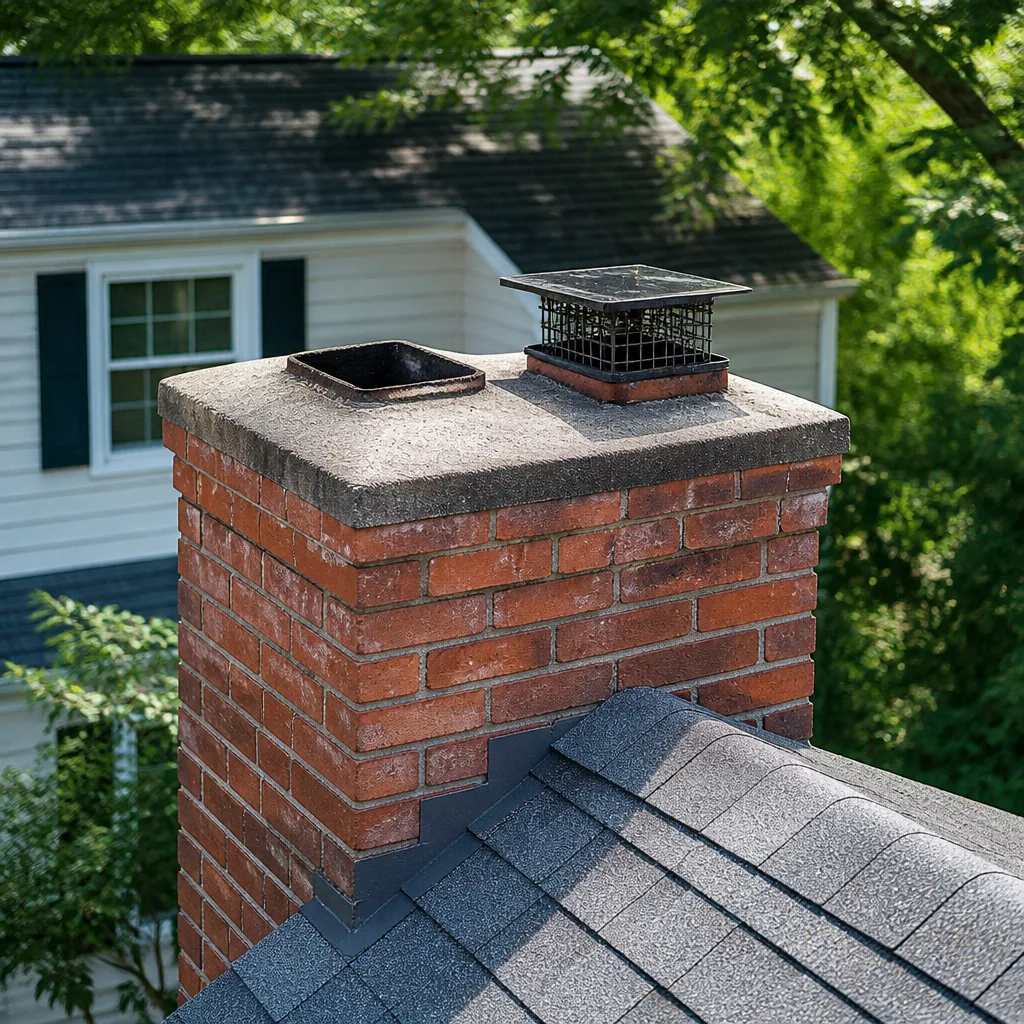
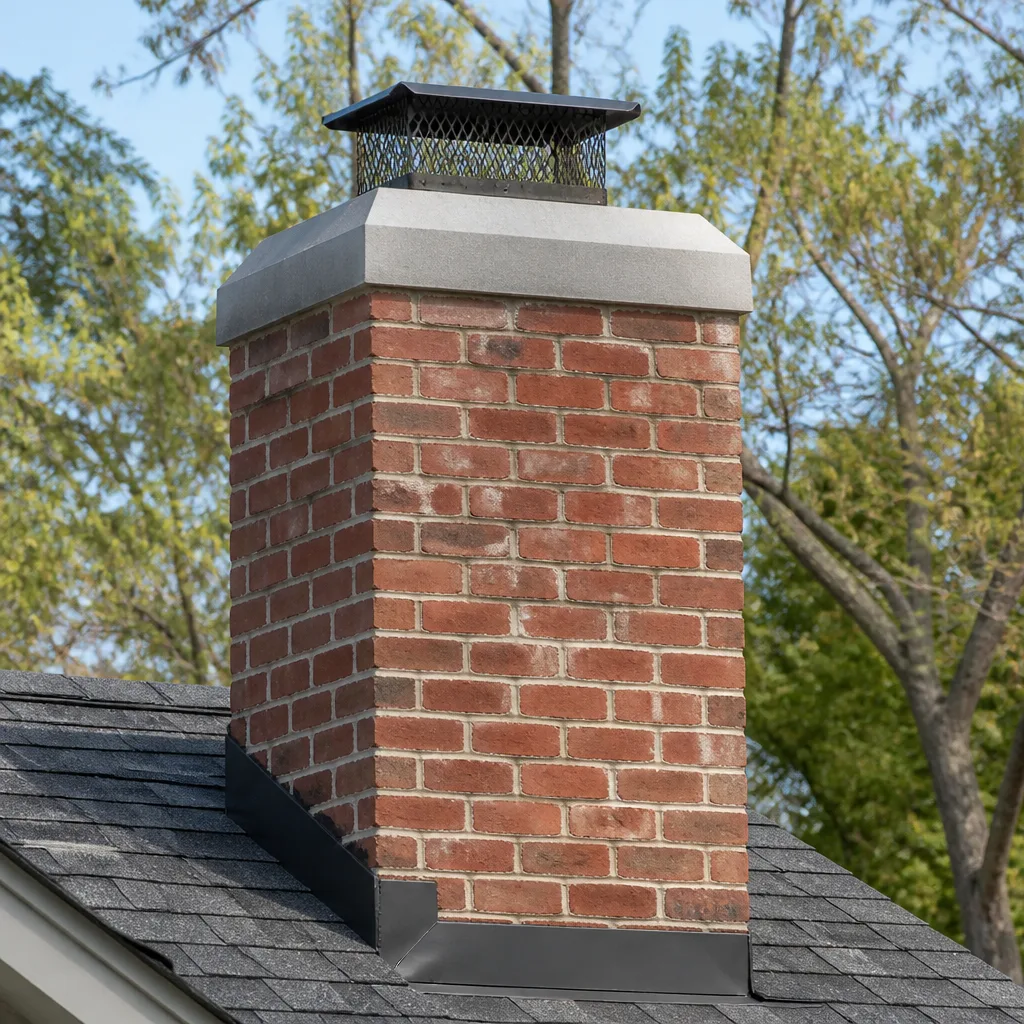 Caps & crowns
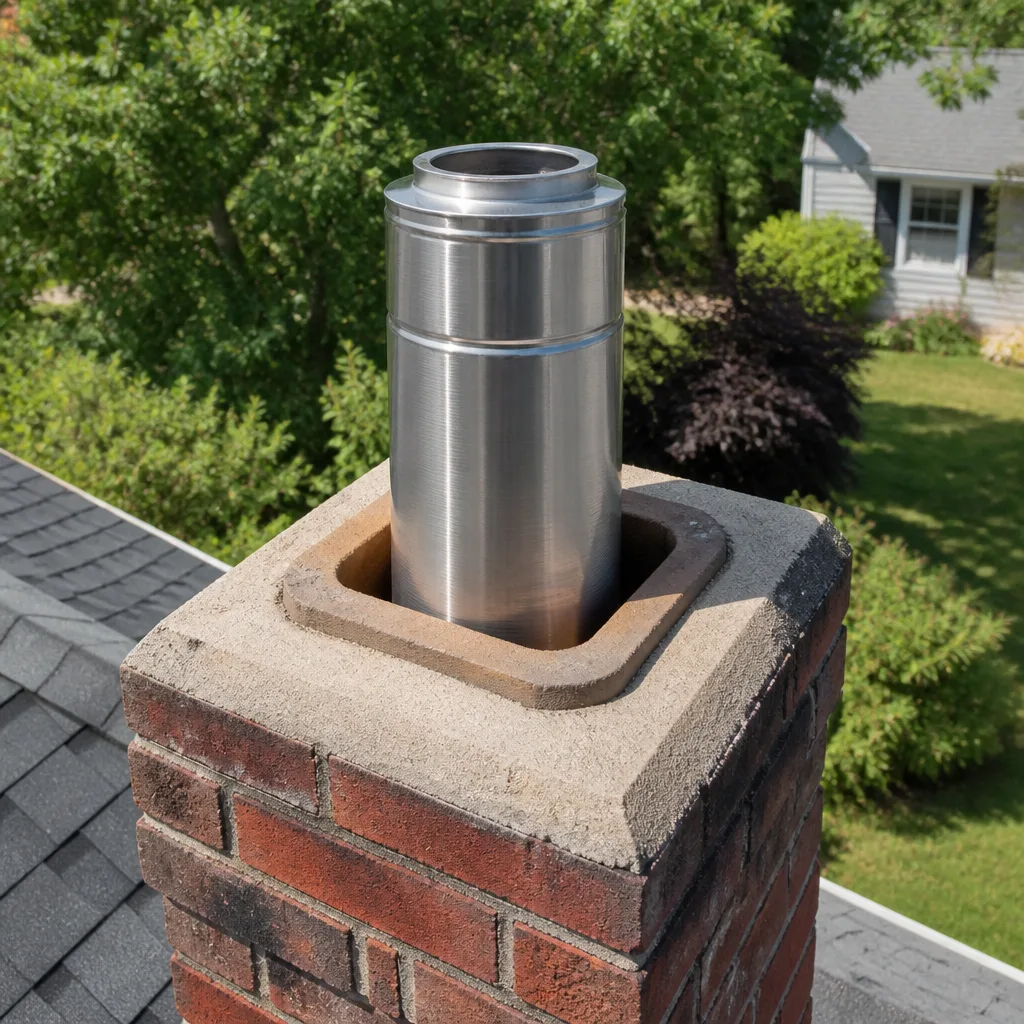 Flue relining
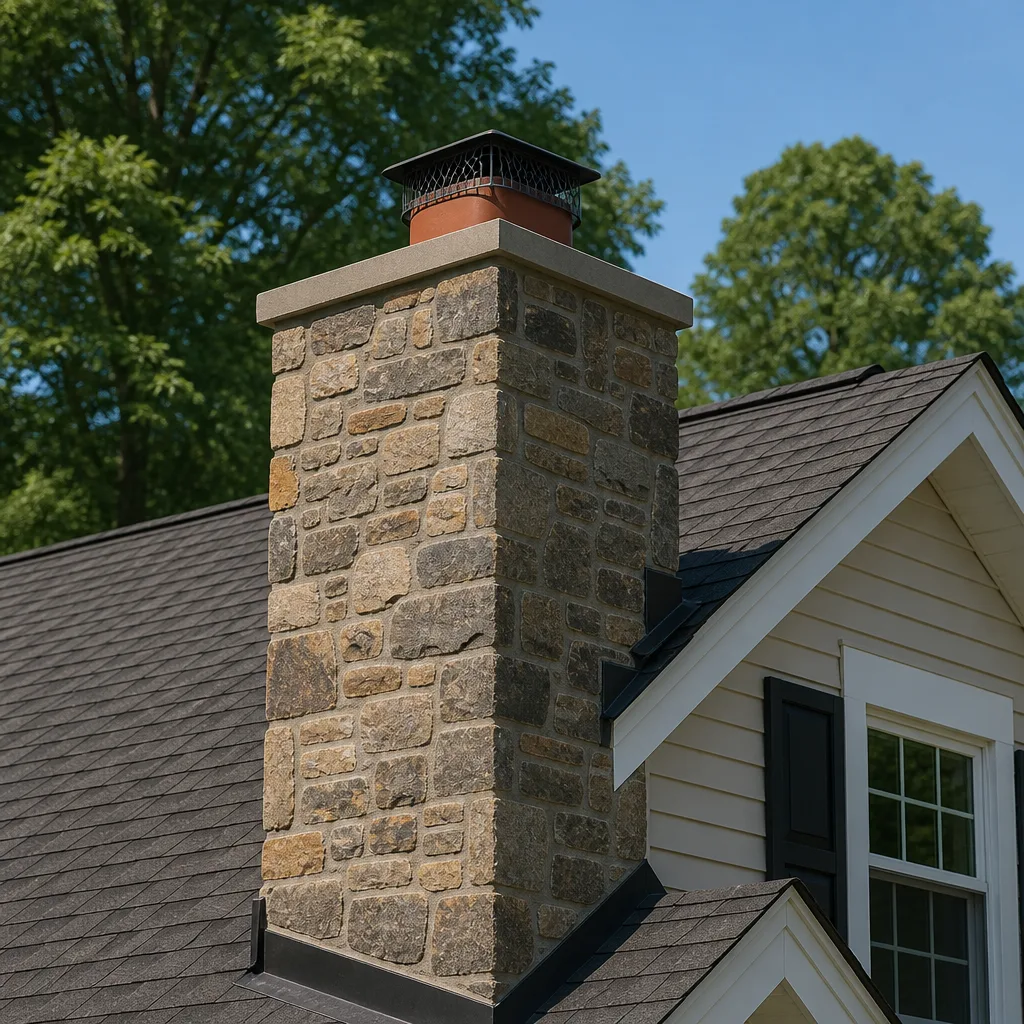 Masonry repair
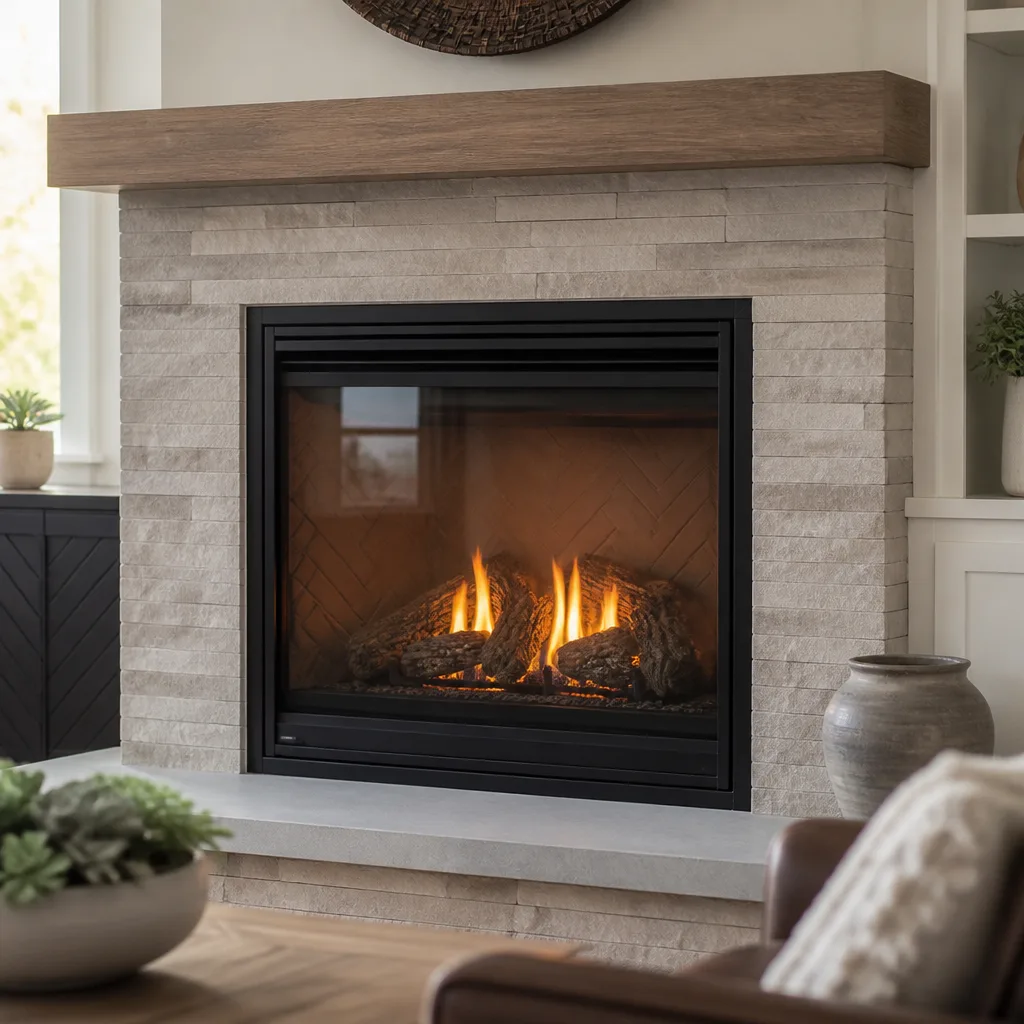 Gas fireplace service
Level 1 sweep and inspection to the NFPA 211 annual standard - flue, crown, cap, and flashing checked and photographed
Chimney sweep logs do not sweep chimneys. They loosen some creosote - which then falls where a brush and vacuum still have to collect it.
DIY vs Professional Chimney Cleaning: The Mountain View Homeowner’s Decision Guide
Every fall, homeowners across Mountain View pull out ladders, headlamp, and a hardware-store brush kit, determined to save a few hundred dollars. The firebox gets scrubbed, the damper gets wiped down, and the job feels done. Here’s what most never learn: the glazed, tar-like creosote that actually ignites chimney fires forms in the smoke chamber and upper flue, where a standard rod-and-brush kit reaches but a homeowner without a camera cannot verify clearance. By the time you see visible buildup in the firebox, the hazardous accumulation above the smoke shelf is usually far worse. This guide draws a clear line between what you can safely do yourself and what requires professional equipment, training, and documentation.
Quick Answer
For Mountain View homeowners, DIY chimney cleaning is appropriate for ash removal, firebox brushing, exterior cap debris clearing, and dryer vent exterior flap cleaning. Professional cleaning is necessary when creosote reaches 1/8 inch thickness, when glazed Stage 2 or Stage 3 deposits are present, when you cannot see the full liner with a camera, or when your insurance policy requires documented professional inspection. Most DIY attempts save money short-term but miss the areas where chimney fires actually start.
Styles & brands we work with
- Sweep & inspection
- Caps & crowns
- Flue relining
- Masonry repair
- Gas fireplace service
Table of Contents
- What DIY Can Legitimately Handle
- Where DIY Falls Short: The Smoke Chamber Problem
- Professional Equipment vs. Hardware Store Kits
- The Insurance and Liability Dimension
- The Dryer Vent Parallel: Same Logic, Different Appliance
- The Break-Even Math: A Three-Year Horizon
- Common Mistakes to Avoid
- When to Call a Professional
- Frequently Asked Questions
What DIY Can Legitimately Handle
Let’s be direct: there are tasks you can do this weekend without calling anyone. We say this as a company that gets paid to do the professional version of this work. The line is not “never touch your chimney.” The line is “know what you can actually accomplish with the tools and sightlines available to you.”
Exterior Cap Debris Clearing
Mountain View’s live oak and eucalyptus trees shed constantly. In neighborhoods like Old Mountain View, Monta Loma, and Waverly Park, exterior chimney caps collect twigs, leaves, and the occasional bird nest within a single season. If you have a one-story home, a secure ladder, and you’re comfortable at roof height, clearing visible debris from the cap exterior is a legitimate DIY task. This is not climbing onto the roof itself unless you have proper anchor points and a harness. Clear the cap, check the spark arrestor mesh for clogs, and descend.
The safety caveat here matters: roof work on steep pitches, tile roofs, or any two-story structure is not a weekend task. Falls account for more chimney-related injuries than fires do. If you’re not comfortable on a ladder, the cost of a professional visit is less than an emergency room copay.
Ash Removal and Firebox Brushing
Cold ash removal is straightforward. Wait at least 72 hours after the last fire. Use a metal ash shovel and a metal bucket with a tight lid. Never vacuum ash with a standard household vacuum; fine ash destroys motors and blows particulates through your living room. A dedicated ash vacuum with a HEPA filter is the right tool if you go this route.
Brushing the firebox walls with a stiff wire brush removes loose soot and light creosote dust. This is cosmetic and preparatory work, but it’s real maintenance. It also helps you complete a basic visual inspection of the firebrick for cracks and spalling, which is useful information whether you call us or not.
Dryer Vent Exterior Flap Cleaning
While you’re outside, check the dryer vent flap. Lint accumulates at the exterior termination point in Mountain View homes, especially older ranch-style houses with long horizontal duct runs. Remove visible lint from the flap assembly, make sure the flapper opens and closes freely, and clear any vegetation touching the vent. This five-minute task reduces airflow restriction and gives you a baseline read on how quickly lint builds up in your system.
These four tasks are the ceiling of legitimate DIY work. They’re safe, they’re effective, and they don’t require you to evaluate conditions you cannot see.
Where DIY Falls Short: The Smoke Chamber Problem
The smoke chamber is the funnel-shaped section between the firebox and the flue liner. In most Mountain View homes, it’s inaccessible without specialized lighting and a camera. This is where creosote accumulates in its most dangerous forms, and it’s the section almost every DIY brush kit fails to address.
Creosote forms in three stages. Stage 1 is flaky, dusty, and easy to brush. Stage 2 is a tar-like glaze that hardens into a shiny, brittle coating. Stage 3 is a thick, candied accumulation that can ignite at surprisingly low temperatures. A hardware store brush removes Stage 1 from the flue walls it can reach. It does not remove Stage 2 or Stage 3 glazing, and it does not reach the smoke chamber geometry effectively.
In our experience across Mountain View, we’ve seen homeowners brush their flue thoroughly and still have a quarter inch of Stage 2 glazing sitting on the smoke shelf. The brush went up, knocked down loose debris, and left the actual hazard in place. The homeowner had no way to know because they were cleaning blind.
Properly evaluating chimney condition requires a camera inspection of the full liner, the smoke chamber, and the damper assembly. Training matters too. Our team uses professional-grade equipment from Olympia Chimney and other industry lines, and that equipment exists because the visual access problem is real and cannot be solved with a flashlight and a mirror.
Professional Equipment vs. Hardware Store Kits
The difference between a $80 DIY kit and professional equipment is not snobbery. It’s physics. Here’s what changes at the professional level:
- Rotary power brushing systems. Professional cleaning uses rotating brush heads on flexible rods driven by a drill or dedicated motor. These heads scour glazed creosote from flue walls, not just loosen flaky deposits. A manual rod-and-brush kit scrubs; a rotary system removes.
- Camera inspection capability. Before and after cleaning, a professional can show you the liner condition on a screen. You see the cracks, the glazing, the smoke chamber buildup, and you see the result after cleaning. Without this, neither you nor anyone else can verify the job is complete.
- High-volume HEPA filtration vacuums. Professional chimney vacuums capture fine particulate matter that would otherwise enter your living space. Standard shop vacs leak dust and creosote particles through their filters. The difference is measurable in air quality.
- Chemical treatments for Stage 2 and Stage 3 deposits. Some glazed creosote responds to professional-grade chemical treatment before mechanical removal. These products are not available at hardware stores and their application requires training.
- Repair capability on the spot. When a professional finds a cracked liner panel, a deteriorated damper, or a damaged cap, the conversation moves from cleaning to repair without a second appointment. This is where Chimney Repair in Mountain View becomes relevant: a sweep-only company finds the problem and leaves. A full-system company finds it and fixes it.
If you’re considering a professional and want a full picture of what that service includes, read through our Chimney Sweep in Mountain View page for the detailed breakdown.
The Insurance and Liability Dimension
This is the section most DIY guides skip, and it’s the one that matters most in a fire claim scenario. Here’s the uncomfortable reality: many homeowner insurance policies contain language requiring “regular professional inspection and cleaning” of solid-fuel burning appliances. The specific wording varies by carrier and policy, but the requirement is common.
If a chimney fire occurs and you cannot produce documentation of professional maintenance, the claims adjuster may deny the claim or reduce the payout. A receipt from a hardware store for a brush kit is not documentation of maintenance. A logbook entry written by you is not documentation of maintenance. The insurer’s position is simple: we require third-party verification, you didn’t have it, therefore the risk was unmanaged.
This is not theoretical. Adjusters look for any defensible reason to limit payout on fire claims, and unmaintained chimneys are one of the most common points of denial. The math matters here: a professional chimney sweep in Mountain View costs a few hundred dollars. A denied fire claim can cost tens of thousands in structural repair alone, before you account for contents, displacement, and the premium increases that follow any claim.
There’s a secondary liability dimension for landlords and Airbnb operators in Mountain View. If you rent a property with a fireplace or wood stove, your duty of care is higher than a homeowner occupying their own space. Professional documentation becomes a legal shield, not just an insurance requirement.
The Dryer Vent Parallel: Same Logic, Different Appliance
The drywall between your chimney and your laundry room hides an almost identical problem. Dryer vents accumulate lint. Lint is combustible. And the most dangerous accumulation happens in the sections you cannot see or reach.
You can clean the lint trap after every load. You should. You can vacuum the first few feet of duct accessible behind the dryer. You can clear the exterior flap. These are the dryer vent equivalents of ash removal and firebox brushing: you’re handling the visible portion.
What you cannot do is clean a 20-foot duct run that travels through walls, floors, or ceiling cavities. Mountain View homes built in the 1950s through 1970s, especially in neighborhoods like Cuesta Park and Sylvan Park, commonly have long dryer duct runs with multiple elbows. Each elbow is a lint collection point. Each collection point is a potential kindling source.
Professional dryer vent cleaning uses a rotary system: a spinning brush head attached to flexible rods, driven through the full duct run, with a high-suction vacuum capturing dislodged lint at the same time. Without rotary agitation, lint bonded to duct walls stays in place. Without full-run access, you’re cleaning the ends and ignoring the middle.
Our Dryer Vent Cleaning in Mountain View service handles the full run, and it’s designed to catch problems like disconnected joints, crushed duct sections, and improper vent material that are common in older Mountain View construction. The Famco components we stock for repairs mean we can fix what we find without improvising with duct tape and foil.
The Break-Even Math: A Three-Year Horizon
Let’s run the numbers honestly. The DIY route and the professional route both cost money. The question is what you’re buying with each.
DIY chimney cleaning, year one: Brush kit ($60-$120), drop cloths and cleaning supplies ($30-$50), flashlight inspection mirror ($20-$40), ash vacuum if you want to do it properly ($100-$200). Total: $210-$410 upfront. Time investment: 3-5 hours for the first attempt, including setup, cleaning, and cleanup. What you get: Stage 1 creosote removal from accessible flue surfaces, cosmetic firebox improvement, and no documentation of any kind.
Professional chimney sweep, per visit: $200-$400 in the Mountain View market depending on chimney condition, size, and accessibility. Time commitment: 60-90 minutes of your attention. What you get: full system cleaning including smoke chamber, camera inspection before and after, written documentation, and a repair assessment if anything is found.
The three-year comparison is where DIY falls apart. By year three of DIY-only maintenance, the unaddressed Stage 2 glazing in the smoke chamber has thickened. The liner cracks you couldn’t see have expanded. The total cost of remediation at year three is often $800-$1,500 for intensive cleaning plus minor repairs, when the same three years of professional service would have cost roughly $600-$1,200 total and prevented the compounding damage.
DIY saves money when the chimney is clean and stays clean. DIY loses money when there’s hidden accumulation or damage, which is exactly what you cannot assess without a camera and training. The gamble is not whether you can operate a brush. The gamble is whether your chimney has hidden problems, and in Mountain View’s older housing stock, the odds are not in your favor.
Common Mistakes to Avoid
- Cleaning based on time instead of condition. “It’s been a year, so I should clean it” misses the point. Creosote buildup depends on burn frequency, wood moisture content, and chimney temperature. The number of fires matters more than the calendar. A camera tells you actual condition; a calendar tells you nothing.
- Using green or unseasoned wood. Mountain View homeowners sometimes burn wood from recently felled local trees. Wet wood burns cool, produces incomplete combustion, and creates creosote at an accelerated rate. Seasoned hardwood below 20% moisture content is the only acceptable fuel.
- Ignoring the damper during DIY attempts. The damper is a moving part that fails. If you brush the flue and ignore the damper, you’ve cleaned the pipe but left a potential carbon monoxide pathway or draft failure in place. Damper inspection requires looking at the mechanism, not just opening and closing it once.
- Vacuuming ash with a household vacuum. Fine ash passes through standard filters, destroys the motor, and circulates particulates through your home. Use a metal bucket and shovel for baseline removal. Use an ash-specific HEPA vacuum if you want suction.
- Assuming gas fireplaces don’t need cleaning. Gas logs produce less creosote than wood, but they still produce soot and can develop venting problems. Gas appliance venting issues are carbon monoxide risks. A gas fireplace should be inspected and cleaned periodically even if the glass looks clean.
- Skipping the dryer vent while focusing on the chimney. Lint fires are statistically more common than chimney fires in modern homes. If you’re already investing effort in home fire safety, the dryer vent is the other half of the equation. We handle both because both matter, and our Chimney Sweep Mountain View home services are built around that full-system approach.
When to Call a Professional
Call a professional when you see any of these conditions: visible glazing inside the flue that looks shiny or tar-like, black soot falling into the firebox during use, smoke entering the room during startup, a strong campfire-like smell when the fireplace is not in use, or if you haven’t had a camera inspection in more than two years. Call immediately if you see white staining on the exterior masonry, which can indicate moisture penetration and liner compromise. Chimney Sweep Mountain View offers free estimates in Mountain View. Call (866) 596-8327 and we’ll assess your system with camera documentation, not guesswork. Our heat shield and repair capability means if we find an issue during the Chimney Sweep in Mountain View service, the path from diagnosis to solution doesn’t require a second contractor.
Frequently Asked Questions
The National Fire Protection Association standard is that chimneys should be cleaned when creosote accumulation reaches 1/8 inch, or at minimum once per year for wood-burning fireplaces in regular use. In Mountain View’s climate, where fireplaces see seasonal use from November through February, annual professional inspection is the right cadence for most homes. Camera inspection determines whether cleaning is actually needed or whether the system can go another season safely.
Skipping cleaning allows creosote to accumulate beyond the point where it can be safely burned off or brushed. At Stage 2 and Stage 3, creosote becomes a fuel source sitting inside your flue. A hot enough fire can ignite it, and chimney fires burn at temperatures that crack flue liners, compromise mortar joints, and can spread to structural framing. Even without a dramatic fire, accumulated creosote restricts draft and pushes carbon monoxide back into the living space. Call (866) 596-8327 for a camera inspection if you’re overdue, and we’ll show you exactly what’s there.
You can clean the accessible portions of your chimney: the firebox, the visible lower flue, and the exterior cap. What you cannot do is clean the smoke chamber and upper flue with the same effectiveness as professional rotary equipment, or verify your results without camera inspection. The careful DIY homeowner removes Stage 1 deposits. The careful homeowner without a camera misses Stage 2 glazing in the smoke chamber, which is the specific deposit type associated with chimney fires. The limitation is equipment and sightlines, not attention to detail or work ethic.
Reputable chimney sweeps include camera inspection as part of the service, before and after cleaning. The camera is the verification tool. It confirms that creosote was removed from areas you cannot physically see, and it documents liner condition for insurance purposes. If a sweep company offers cleaning without camera documentation, you’re paying for the same blind cleaning you could do yourself with a brush kit.
Chimney inspection and cleaning in Mountain View typically runs $200 to $400 for a standard single-flue fireplace with normal accumulation. Additional costs apply for heavy Stage 3 glaze removal, multiple flues, or repairs discovered during the inspection. The inspection itself is usually included with the cleaning service. Call (866) 596-8327 for a specific quote on your system, and we’ll provide flat pricing before any work begins.
No, they’re separate systems. But they’re connected by the same risk profile: combustible accumulation in a venting system that the homeowner cannot fully see or access. We treat them together because the fire that starts in a clogged dryer vent is every bit as serious as one that starts in a chimney. If you’re already having your chimney inspected, the dryer vent is a logical addition under the same service call. The Dryer Vent Cleaning in Mountain View service uses the same rotary technology and camera verification approach.
The Bottom Line
The DIY chimney cleaning question resolves to one specific capability: can you assess what you cannot see? If the answer is no, and for most Mountain View homeowners it is, then professional cleaning with camera documentation is not a luxury; it’s the only way to verify the job is actually done. DIY tasks like ash removal, firebox brushing, cap clearing, and exterior dryer vent flap cleaning are legitimate maintenance that extends the value of professional service between visits. The smoke chamber and upper flue, where chimney fires actually start, require professional tools and training. Mathematically, the three-year cost of professional maintenance is competitive with DIY when you account for the compounding damage hidden accumulation causes. The decision is not really about money, skill, or effort. It’s about whether you want verification of what’s in the chimney you can’t see.
If you’re in Mountain View and want a camera-documented assessment of your chimney, dryer vent, or both, call (866) 596-8327. We’ll show you exactly what’s there, explain what needs attention now, and tell you honestly when something can wait. You can also visit the Chimney Repair in Mountain View page if you already know you have damage that needs addressing.
Written by the team at Chimney Sweep Mountain View, serving Mountain View since 2015.
See the difference
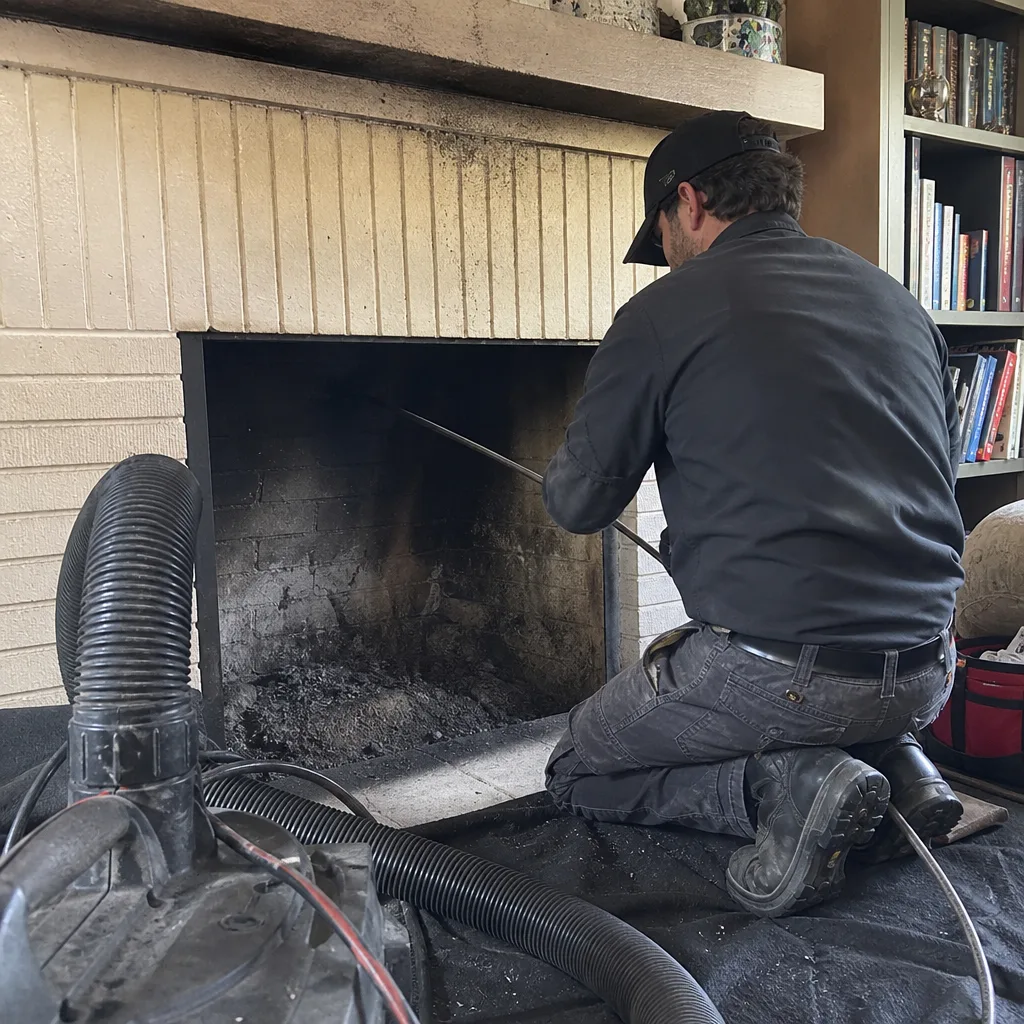 Before
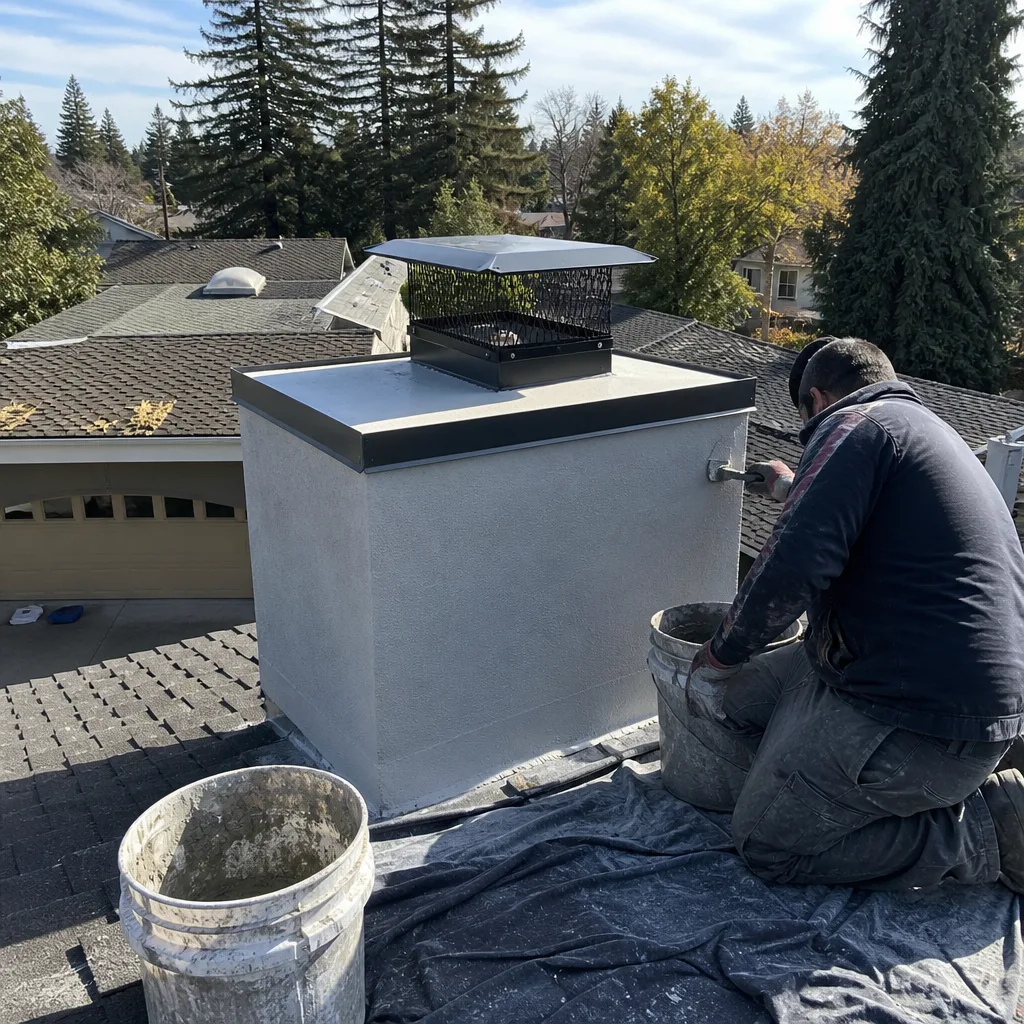 After
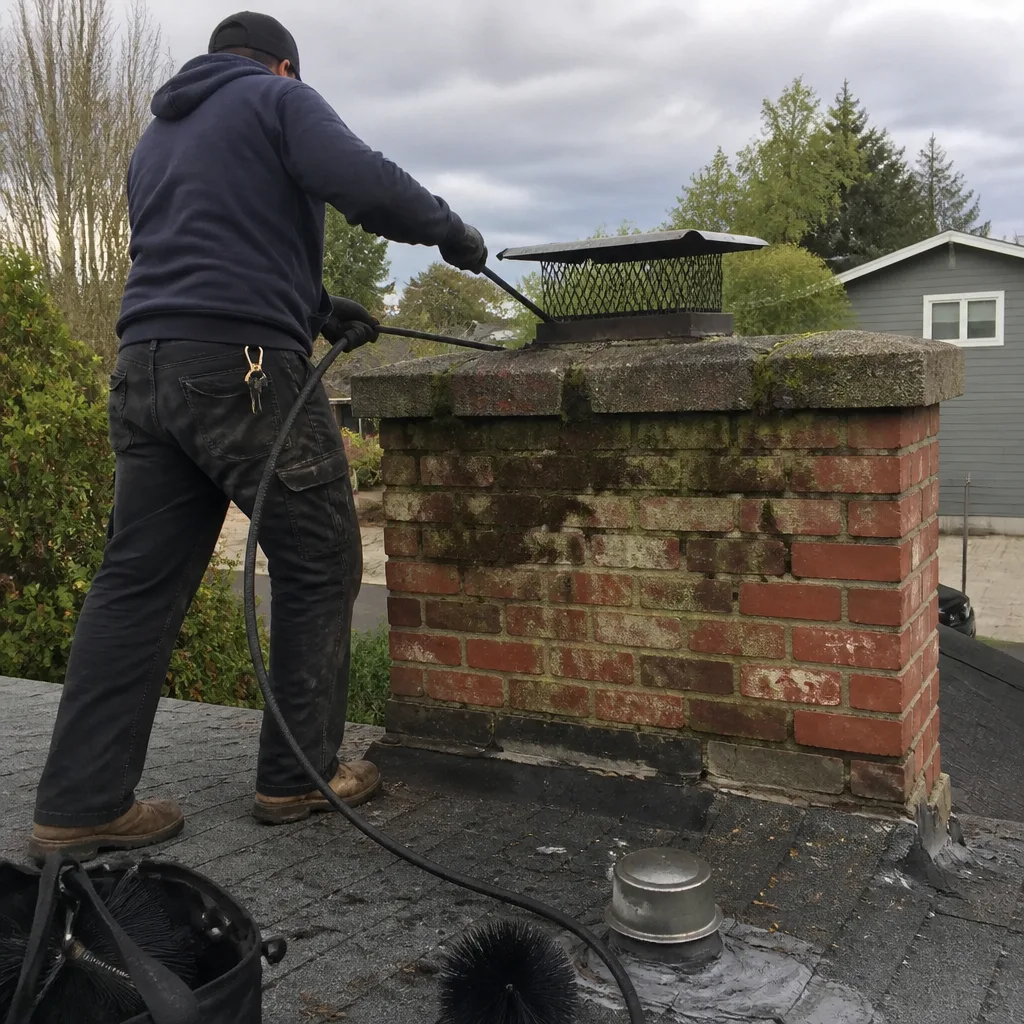 Before
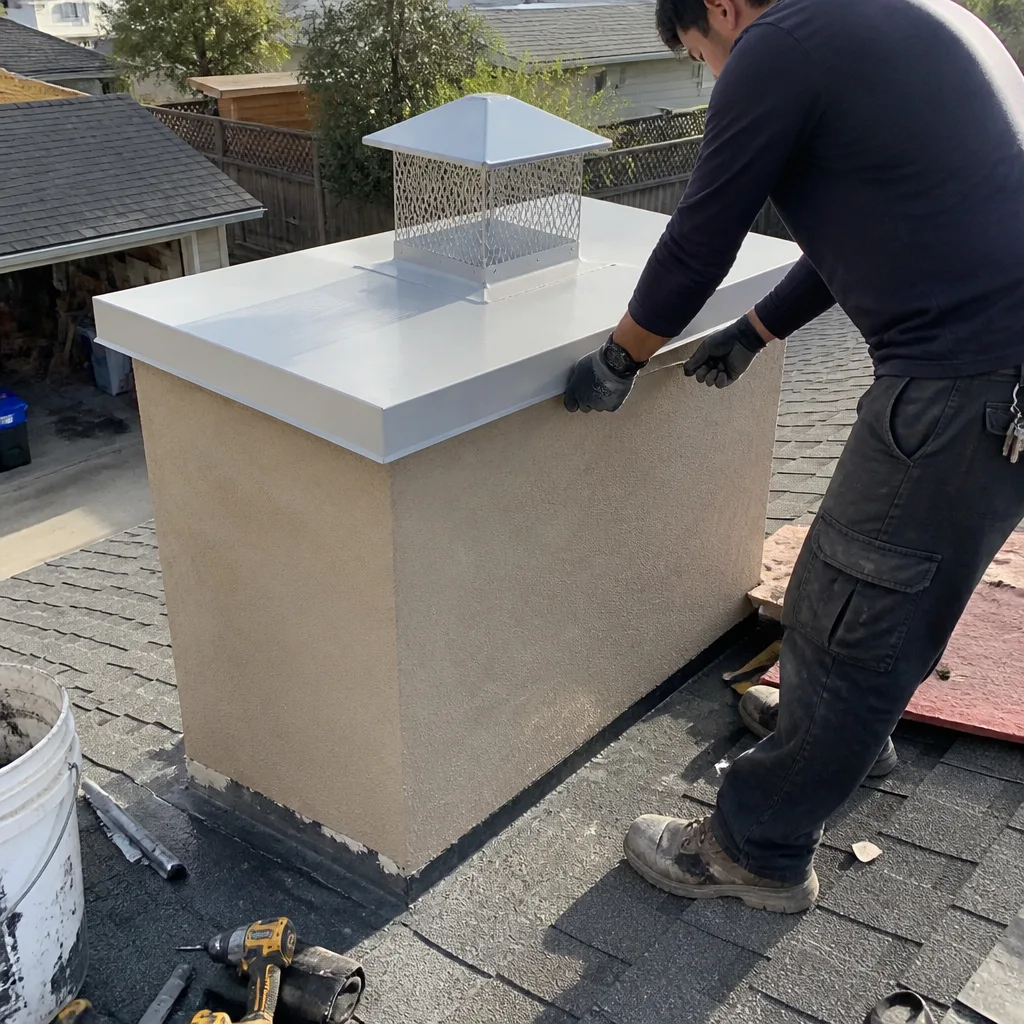 After
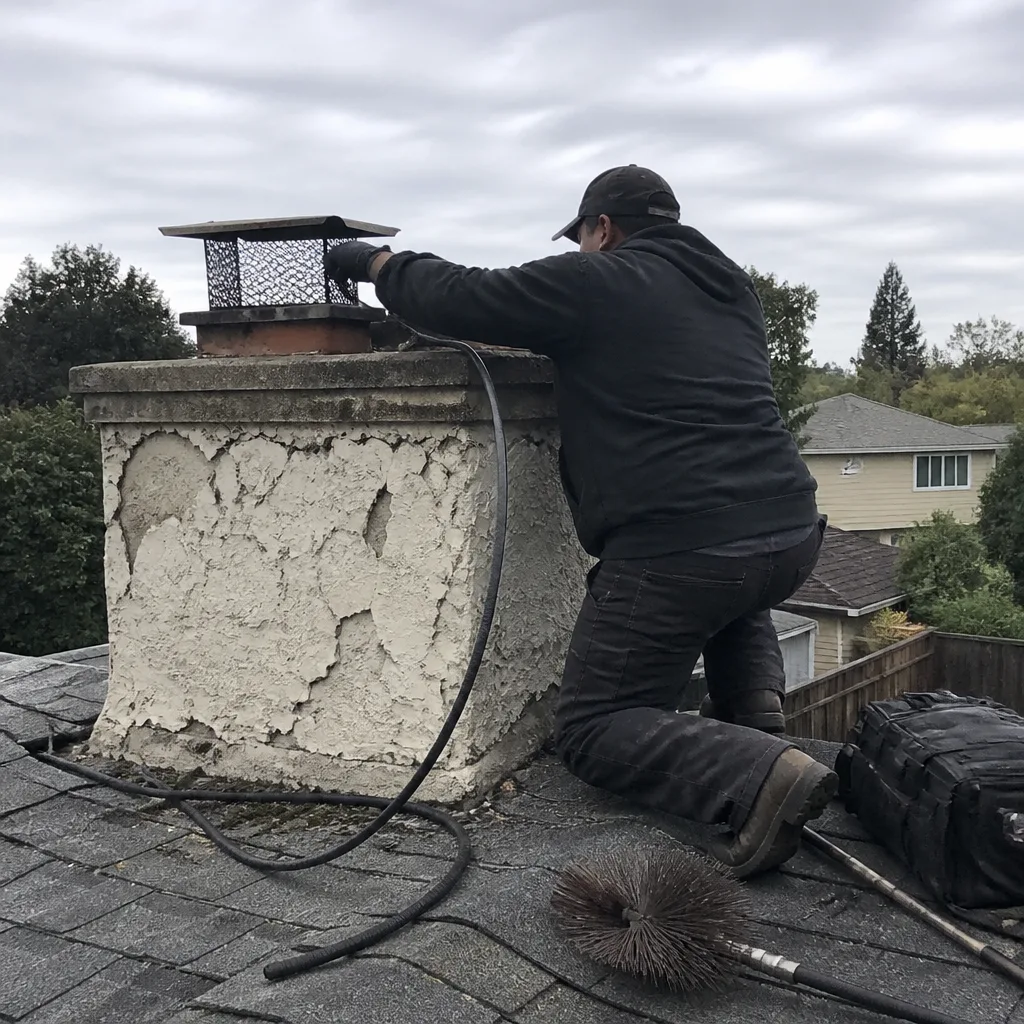 Before
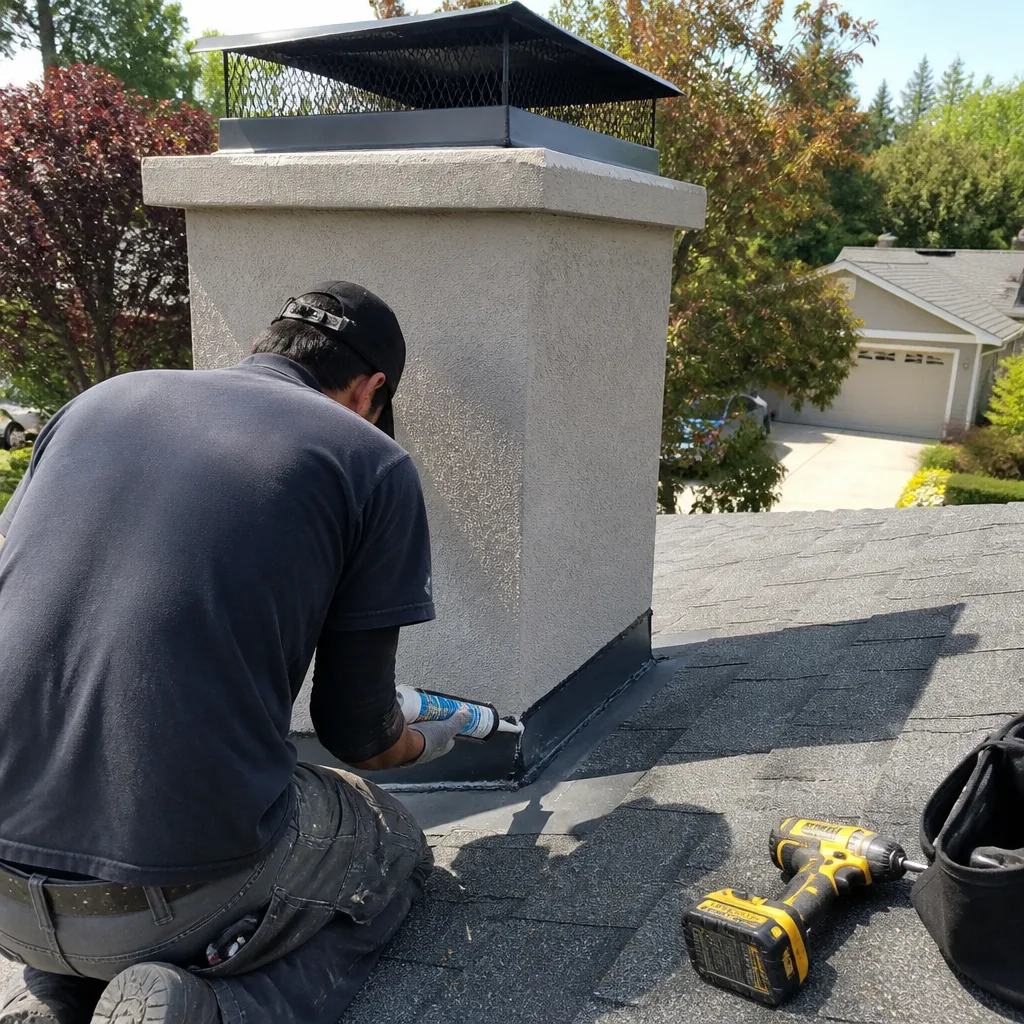 After