
Last updated November 2, 2026
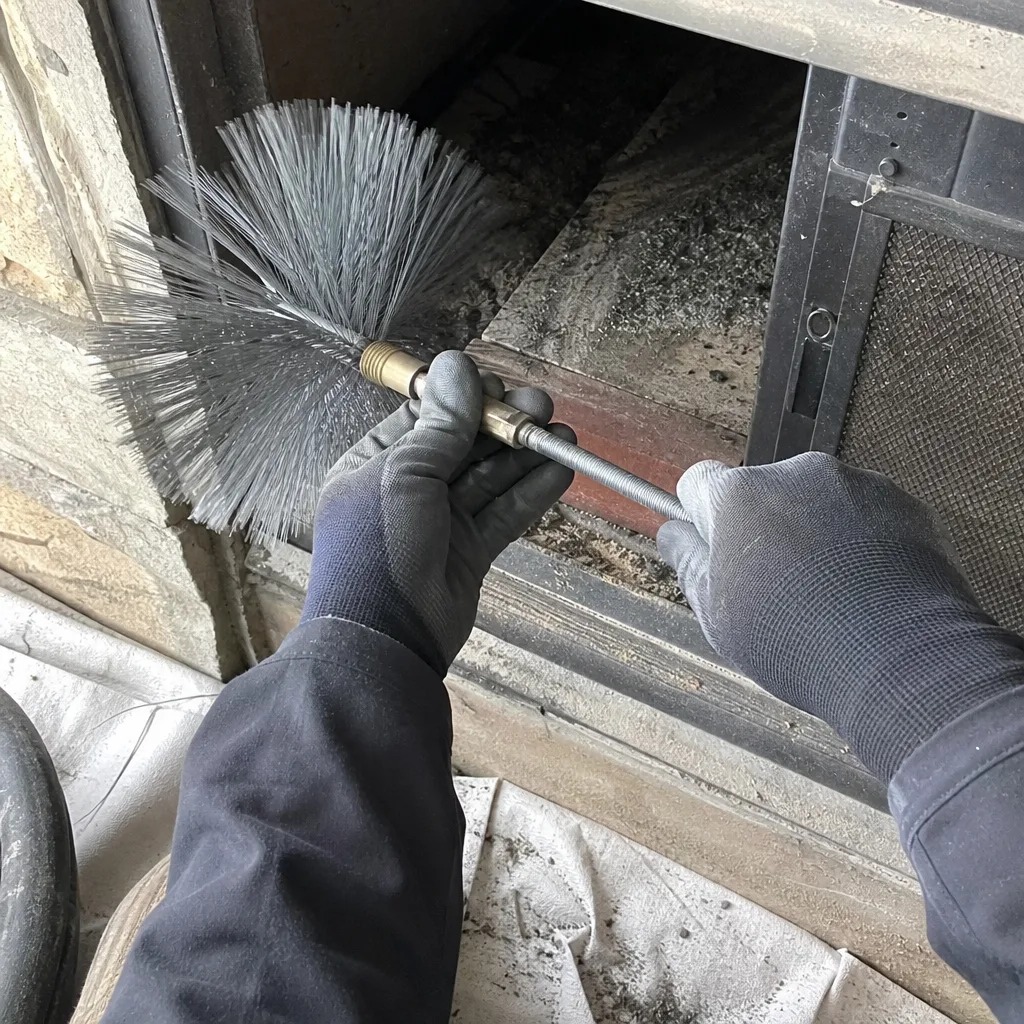
 Sweep & inspection
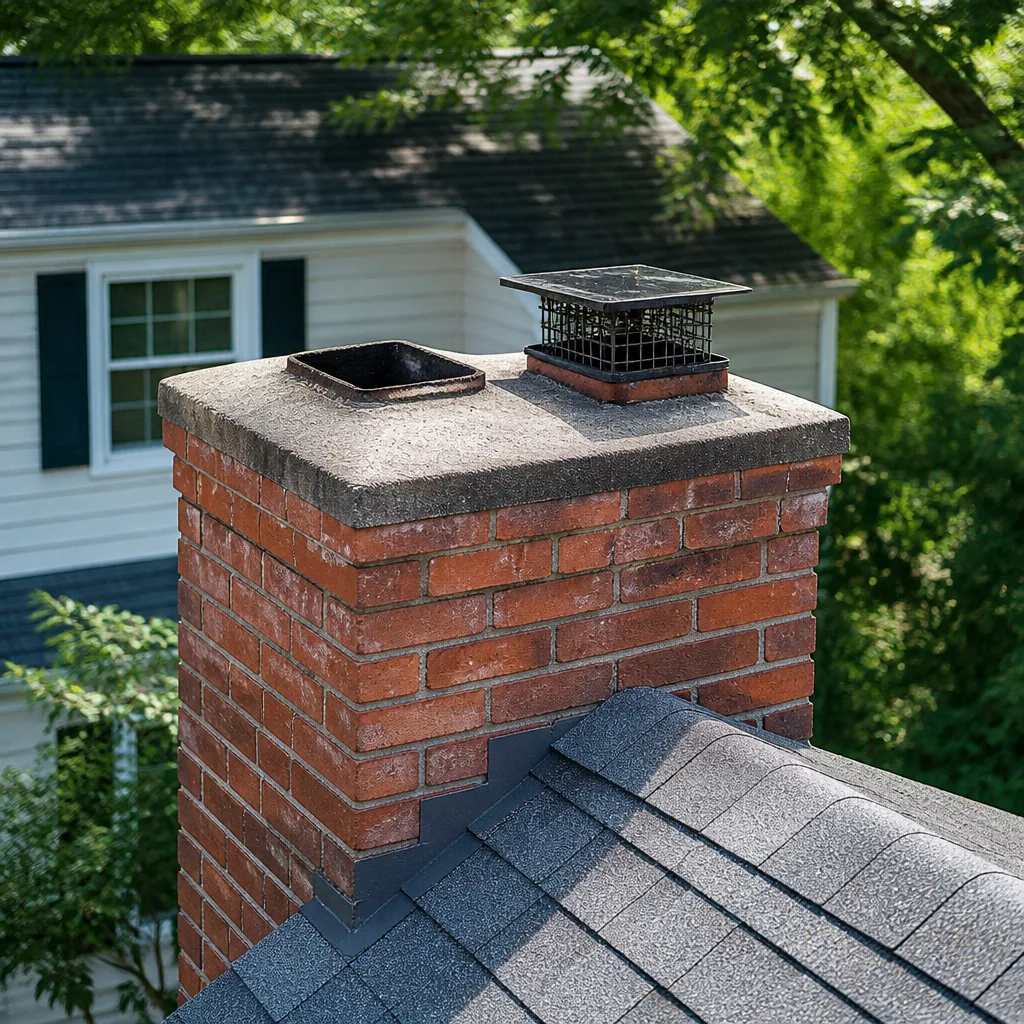
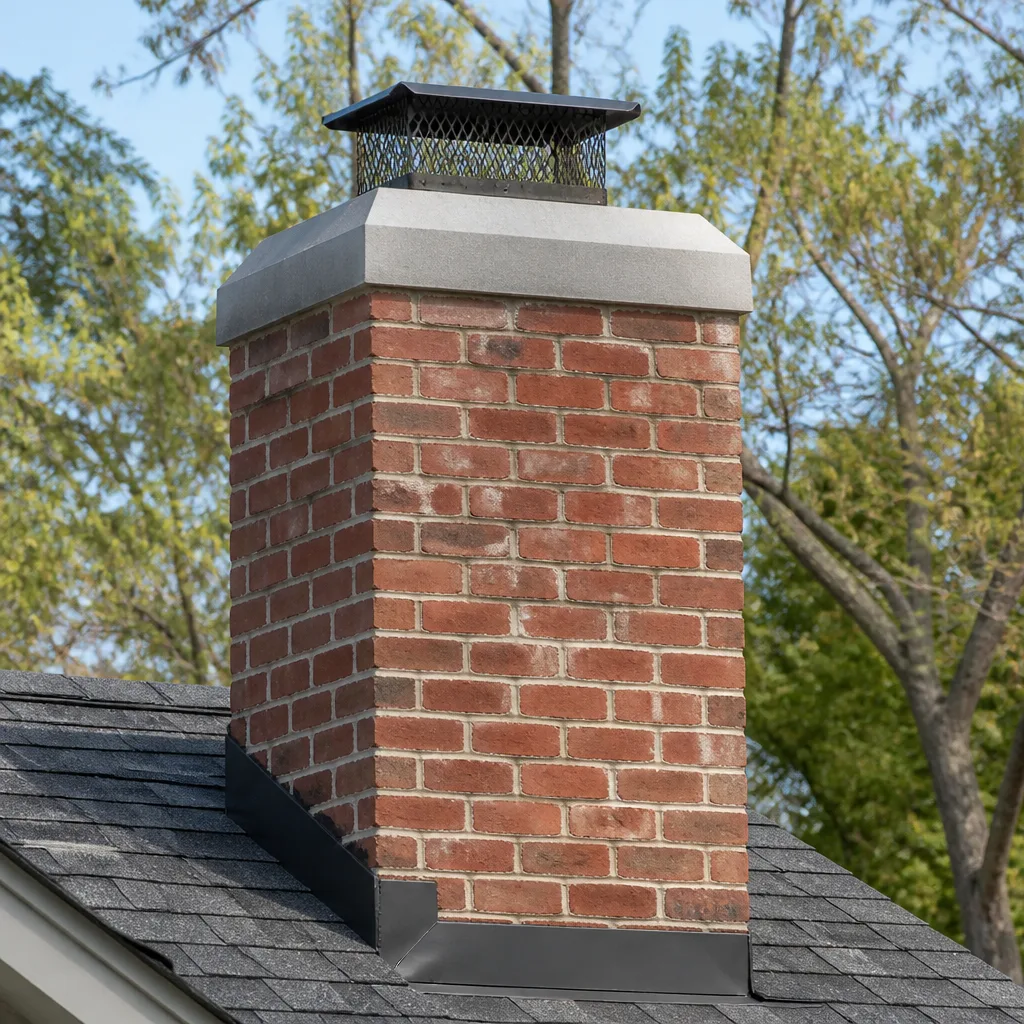 Caps & crowns
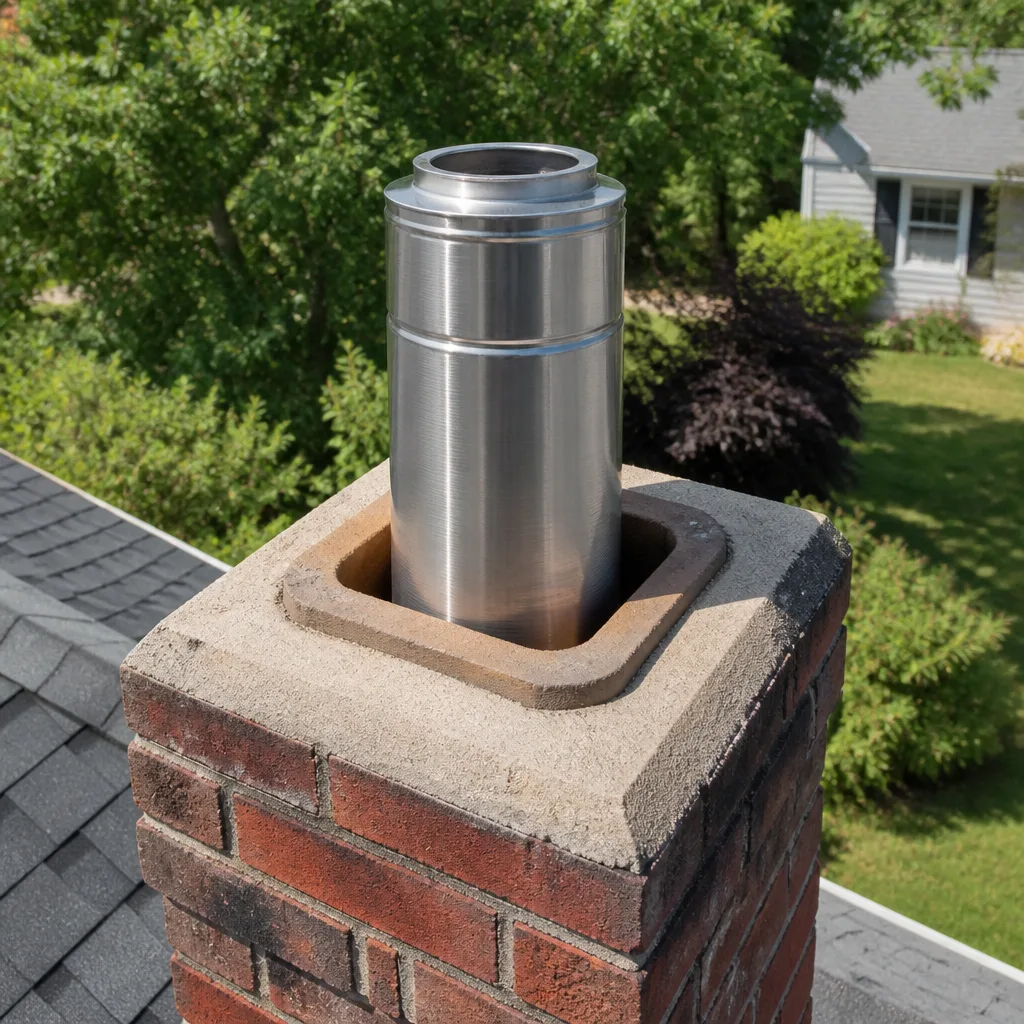 Flue relining
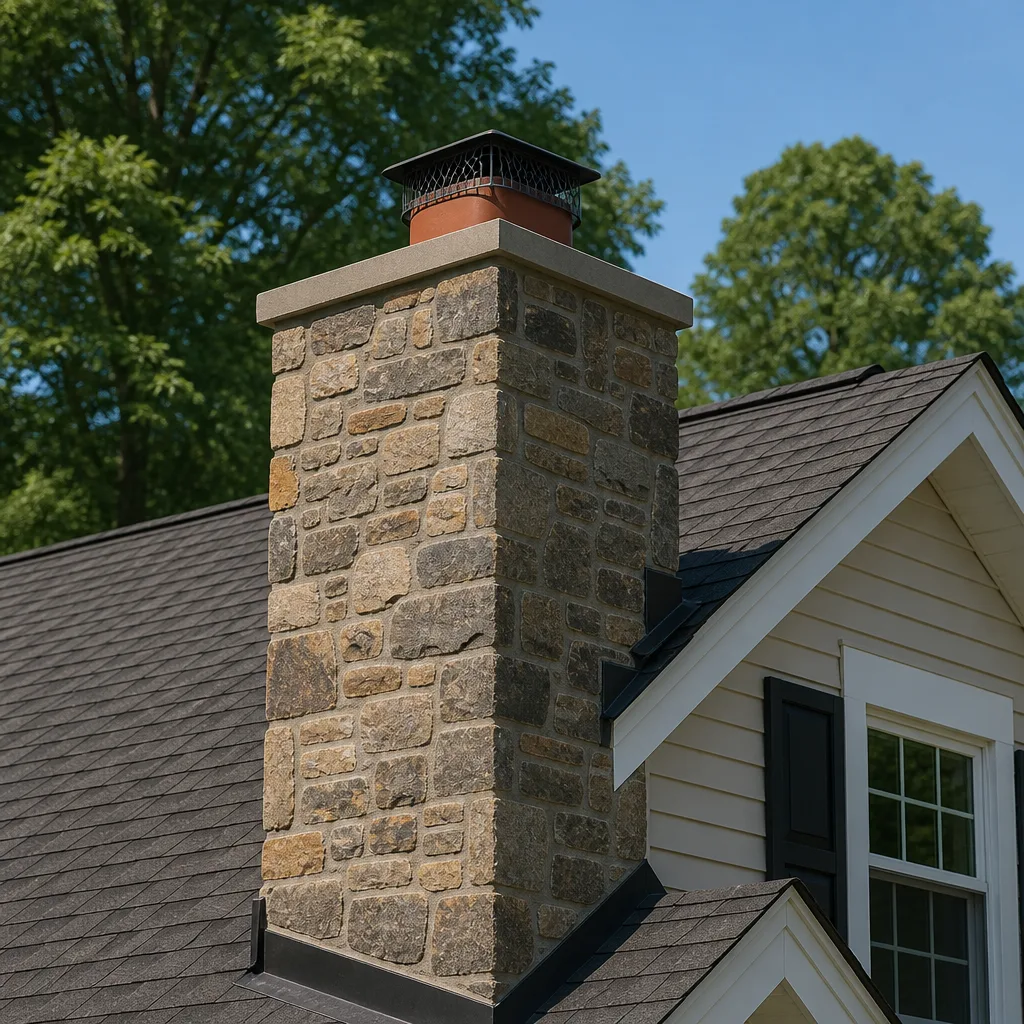 Masonry repair
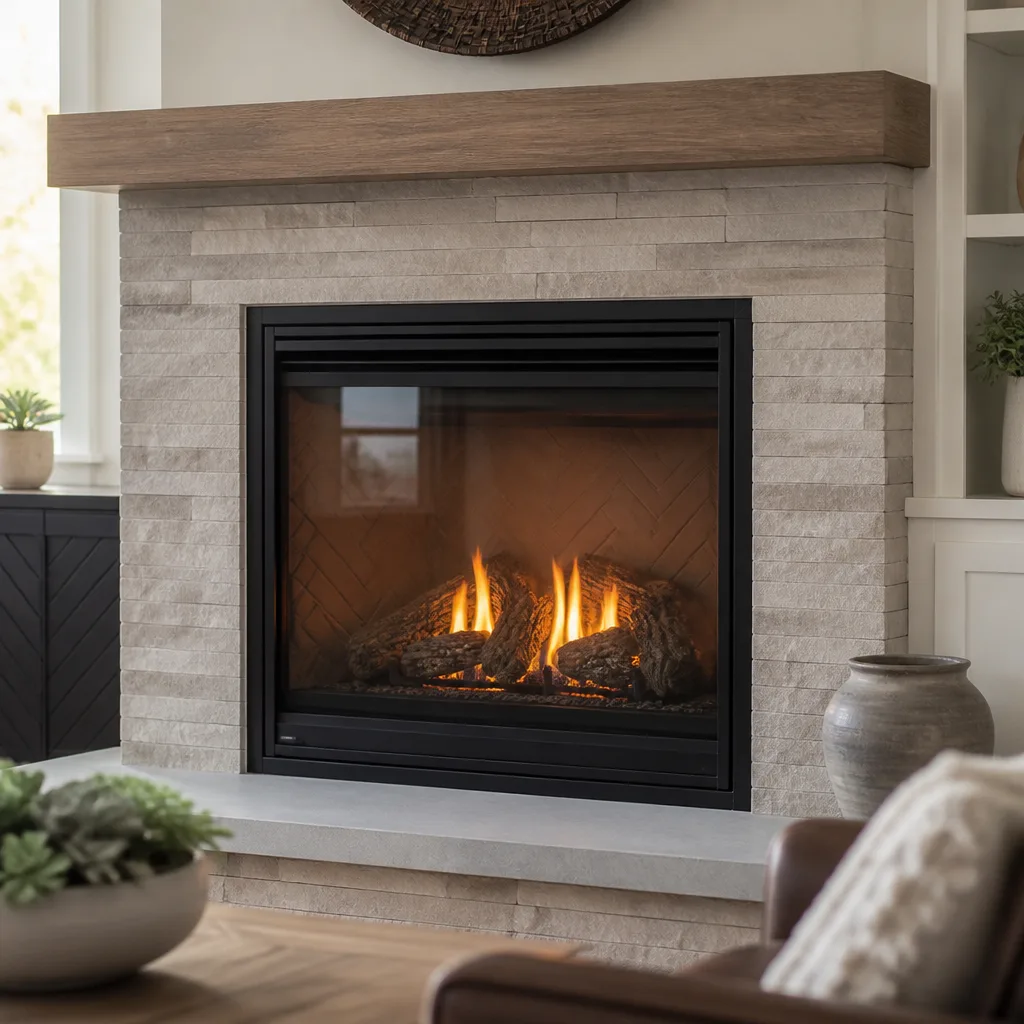 Gas fireplace service
Level 1 sweep and inspection to the NFPA 211 annual standard - flue, crown, cap, and flashing checked and photographed
Chimney sweep logs do not sweep chimneys. They loosen some creosote - which then falls where a brush and vacuum still have to collect it.
Chimney Sweep Maintenance Checklist for Mountain View Homeowners
Here’s something most Mountain View chimney guides won’t tell you: the single most skipped item on every homeowner’s checklist is the smoke chamber. That’s the sooty, corbeled cavity above your firebox, and it traps unburned gases, creosote, and debris you can’t see without a camera and a flashlight pointed at the right angle. We’ve pulled back fireplace doors across Mountain View and found smoke chambers so packed with debris they’d never pass an inspection, while the flue above looked fine – exactly why a Chimney Sweep with a camera matters. This checklist is built around the three things that actually fail on Bay Area chimneys: the crown, the flue liner, and the connector joints. We’ll walk through what you can check yourself from the ground, what requires tools you don’t own, and what documentation you should keep for insurance and resale.
Styles & brands we work with
- Sweep & inspection
- Caps & crowns
- Flue relining
- Masonry repair
- Gas fireplace service
Quick Answer
A proper chimney maintenance checklist for Mountain View homeowners covers three areas: exterior components you can spot from grade (cap, crown, flashing, mortar joints), interior components that need a camera inspection (smoke chamber, flue liner, smoke shelf), and the dryer vent system that shares the same fire-risk profile under one roof. Pre-November inspection is the standard window before marine layer moisture and wood-burning season expose every crack. Most homeowners can complete a visual exterior check themselves, but interior assessment requires a pro with a scope and knowledge of what deterioration looks like. For more guides & resources on what pros look for, see our blog.
Table of Contents
- Exterior Checklist: What You Can See From the Ground
- Interior Checklist: What Camera Inspection Reveals
- The Dryer Vent Add-On: Same Roof, Same Risk Profile
- Mountain View Seasonal Timing Logic: Why Pre-November Matters
- Documentation Worth Keeping: Service Records, Photos, Inspection Levels
- Common Mistakes to Avoid
- When to Call a Professional
- Frequently Asked Questions
- The Bottom Line
Exterior Checklist: What You Can See From the Ground
A homeowner with a pair of binoculars and about 15 minutes can catch most of what goes wrong on the outside of a chimney. Mountain View’s climate does something specific here that inland cities don’t deal with: the marine layer rolls in every summer and sits on your chimney crown and cap for hours at a time. Moisture works into hairline cracks, then the winter temperature swings expand and contract those cracks until water gets into the masonry. That’s the cycle behind most crown and cap failures we see in Mountain View neighborhoods.
Here’s what to check from grade, in order of how often we find failures:
- Cap condition: Look for rust, missing mesh, or a cap that’s shifted off-center. A damaged cap lets rain in directly on top of the flue tile, but more importantly it lets birds, squirrels, and roof rats into the flue. We’ve pulled nests out of chimneys in the Blossom Valley and Waverly Park areas that had been building for years behind a shifted cap.
- Crown cracking: The crown is the concrete or mortar slab on top of the chimney that sheds water. Hairline cracks are normal and typically not urgent. Cracks you can see with the naked eye from the ground, or pieces of crown material missing at the edges, mean water is penetrating the masonry below. That’s how spalling starts.
- Flashing separation: The metal where the chimney meets the roofline. If you see daylight under the flashing from the ground, or obvious gaps where caulk has peeled away, water is running down the chimney chase. Flashing failures look like roof leaks inside the house, but the actual fix is at the chimney.
- Mortar joint erosion: Run your eyes up and down the brick lines. In older Mountain View homes with masonry chimneys, the mortar decays before the brick. If the joints look recessed, flaking, or you’re seeing brick edges starting to round off, that’s surface spalling and it will accelerate if left alone.
- Staining or efflorescence: White chalky streaks on the brick are salt deposits left behind when water evaporates out of the masonry. It tells you water is getting in somewhere above that streak. Track the stain upward to find the entry point.
These items don’t require a roof climb. A pair of binoculars and decent afternoon light is enough for most two-story Mountain View homes. If you see something questionable, document it with a phone photo from two angles before calling anyone.
One more exterior item that belongs on every checklist: the chimney cleanout door. It’s a small metal or masonry door at the bottom of the chimney, usually in the garage, crawlspace, or outside near the foundation. If yours is missing, broken, or doesn’t close tightly, it’s pulling air from the house instead of the firebox, which messes with draft and can pull furnace exhaust back into the living space. Check it every fall.
Interior Checklist: What Camera Inspection Reveals
This is where the checklist separates into two lists: what you can see with a flashlight, and what you can only see with a camera. Mountain View homes built before the 1980s often have masonry chimneys with unlined or clay-tile flues, and those systems degrade in ways that are invisible from either end without a scope.
Start with what you can see yourself. Open the damper, look up with a bright flashlight, and check for any of the following visible from the firebox:
- Visible creosote buildup: Shiny, tar-like black coating, or flaky black deposits, anywhere above the damper. Anything thicker than 1/8 inch is worth a sweep, regardless of your last cleaning date.
- Falling debris: Small pieces of tile or mortar sitting in the firebox or on the smoke shelf indicate liner deterioration above.
- Water staining inside the firebox: Rust on the damper, dark stains running down the back wall, or a musty odor after rain. Water is getting past the cap or crown.
- Animal activity: Nest material, droppings, or a fluttering sound. Raccoons and squirrels use uncapped flues as chimneys.
But the two most important interior components are invisible without a camera, and this is where a checklist that only covers what you can see fails you:
- The flue liner. Clay tile liners crack under thermal stress, especially in older Mountain View chimneys that have burned decades of fires. Hairline cracks in flue tile are not cosmetic. They allow heat transfer to the surrounding structure and, in a chimney fire, they direct that fire into the walls. A camera inspection is the only way to identify liner cracking before it shows up as smoke damage inside the house.
- The smoke chamber and smoke shelf. The smoke chamber is the corbeled, stepped cavity above the firebox that smooths the transition into the flue. Debris, creosote, and animal nest material collect on the smoke shelf directly above the damper. We’ve pulled enough material out of smoke chambers to fill a five-gallon bucket in homes where the flue above looked perfectly clean. The smoke chamber is also a common fail point in older homes where the parging (the smooth coating of mortar over the corbeled brick) has cracked or fallen away, creating pockets that trap smoke and increase creosote accumulation.
Our camera inspection covers the full interior run: firebox, smoke shelf, chamber, flue, and cap, with stills of anything questionable. That brings the next point on the Chimney Sweep in Mountain View checklist: what happens after the inspection finds a problem. A sweep-only company hands you a report and leaves. We diagnose and fix. If the liner has hairline cracking but the structure is sound, HeatShield resurfacing can restore it without a full relining. If the flue is offset or irregular, a DuraFlex liner system can be sized and installed for the specific flue geometry. The checklist item isn’t just “inspect the liner” – it’s “inspect the liner with someone who can repair what they find.”
The Dryer Vent Add-On: Same Roof, Same Risk Profile
We’ll say it plainly: your dryer vent is a chimney. It moves hot, particulate-laden air from a heat source out of your house, and it accumulates buildup the same way a fireplace flue does. That’s why we put it on the same maintenance checklist rather than treating it as a separate trade. Lint accumulation in dryer vents is one of the leading causes of residential structure fires, and Mountain View’s older housing stock means many homes have vent runs that were installed long before modern four-inch rigid duct became the standard.
Here’s the dryer vent portion of the checklist, in two levels:
What every homeowner should do monthly:
- Clean the lint trap before every load. This is non-negotiable.
- Check the exterior vent flap while the dryer is running once a month. The flap should pop open under airflow and snap closed when the dryer shuts off. If it doesn’t open, the vent run is blocked or the flap is jammed. If it doesn’t close, you have an open pipe into your house.
- Move the dryer every few months and check the transition duct behind it, the flexible foil or plastic tube connecting the dryer to the wall. If it’s kinked, crushed, sagging, or made of plastic or foil, it’s restricting airflow and accumulating lint at the restriction point.
What should be done annually or more often with heavy use:
- A full-run inspection and cleaning: from the dryer port through the entire duct run to the exterior termination. This requires a rotary brush system and preferably a camera. Hardware-store brushes that attach to a drill only clean the first few feet and can leave the rest of the run untouched.
- Replacement of damaged or non-compliant vent components. We stock Famco components for exactly this reason. Proper dryer vent connectors, terminations, and caps fit the way they should. Improvised fixes have no place on a fire-risk component.
- Checking vent run length and routing against manufacturer specs. Most dryers specify a maximum equivalent length of 25 to 35 feet, with a 90-degree elbow counting as about 5 feet. Mountain View laundry rooms tucked into tight hall closets and converted porches often have vent runs way past spec from the original install.
The existing chimney and dryer vent on your property both terminate at the exterior of your house, and both carry potentially combustible material out of your living space. If your chimney sweep doesn’t look at the dryer vent, you’re completing half the checklist. Our Dryer Vent Cleaning in Mountain View covers the full vent run with camera verification. One appointment covers both.
Mountain View Seasonal Timing Logic: Why Pre-November Matters
There’s a reason annual chimney inspections cluster in the fall, and it isn’t just tradition. In Mountain View specifically, the pre-November window is the practical cutoff before the marine layer settles into the Bay Area winter pattern. Here’s what that means on the ground:
Starting in late October and running through early spring, the marine layer brings consistent nightly moisture that sits on your chimney crown, cap, and exposed masonry for hours at a time. Any small crack or separation that would be cosmetic in a dry climate becomes an active water pathway overnight, every night, for months. In a dry inland climate you might get away with putting off a small crown crack for a season. In Mountain View, that same crack gets worked by moisture cycles every week throughout the winter. Put the inspection off until January and you’ve missed the window before the worst moisture exposure starts.
There’s also the simple scheduling reality. Chimney sweeps and fireplace inspectors in the South Bay book out two to four weeks from October through December. If you want an inspection and any necessary repair done before the first fire of the season, mid-September to late October is when you want to be booking. Waiting until the first cold snap usually means burning with a system you haven’t inspected yet.
Here’s the seasonal cadence that makes sense for most Mountain View homes:
- September: Visual exterior check from grade. Document anything suspect with photos. If you spot cap damage or staining, book the interior inspection and repair before the push starts.
- Early October: Full interior camera inspection and cleaning. This is the service window before marine layer moisture sets in and before scheduling gets tight.
- October through April: Burn season. Keep an eye out for any changes: smoke entering the room on startup, odd odors, or staining on the ceiling above the fireplace. These are not normal and warrant a call.
- Spring: Post-season. Some Mountain View homeowners skip a full sweep in spring, but if you burned a wood fire every week all winter, a spring sweep before the dry season is ideal. Creosote sitting through a dry California summer becomes a more concentrated ignition source.
If you run a gas fireplace rather than wood, the seasonal urgency isn’t as acute, but gas appliance venting still needs an annual check. Gas fireplaces produce water vapor and combustion byproducts that can corrode vent components. As a Chimney Sweep Mountain View home service area homeowner, you’re dealing with gas or wood, and either one benefits from pre-season inspection.
Documentation Worth Keeping: Service Records, Photos, Inspection Levels
Most homeowners don’t discover they needed chimney documentation until a buyer, an insurer, or an adjuster asks for it. A paper trail of maintenance does three things: it documents that you’ve maintained a fire-safety system in your home (relevant for insurance claims), it gives you evidence of what condition the system was in at a given date (relevant for resale disclosures in California), and it protects you from being sold work that isn’t necessary (relevant when you get a second opinion).
Here’s what we recommend keeping in a simple folder, physical or digital:
- Service records showing the date, the work performed, and the inspection level. There are three levels of chimney inspection defined by the National Fire Protection Association: Level 1 (routine annual check of accessible components), Level 2 (camera inspection into the flue interior, required when the property changes hands or after a chimney fire), and Level 3 (invasive inspection, which involves removing portions of the chimney structure). All our maintenance and repair work includes a Level 1 or Level 2 inspection; if a Level 3 is indicated, that’s a major structural discussion, not a routine item.
- Photos of the interior flue and smoke chamber from each inspection. We provide these with every inspection. A dated photo of a clean smoke chamber and intact liner is your baseline. If a future inspection shows changes, you have the comparison point. Without photos, “your liner is failing” is an unverified claim from any contractor.
- Before-and-after photos of any repair work. Crown repair, flashing replacement, liner relining or resurfacing. This is the documentation that pays off when you sell the house and the buyer’s inspector flags the chimney.
- Receipts showing what materials were used. If you paid for HeatShield resurfacing rather than a full reline, that should be on paper. If we installed a DuraFlex liner system, the receipt shows what was done. That’s useful information for the next owner, and it prevents them from being re-sold the same work.
California resale disclosures ask directly about the condition of the fireplace and chimney. If you can answer with a dated inspection report and photos from a Chimney Repair in Mountain View contractor, you’re in a better position than the seller who says “we’ve never had any problems” with no paperwork. Insurance claims after a chimney fire or water intrusion also move faster when you can show that the system was inspected and maintained.
Common Mistakes to Avoid
- Only cleaning the flue while ignoring the smoke chamber. A chimney can have a clean flue and a packed smoke chamber. The smoke chamber collects debris that the sweep brush never touches if the sweep only runs the flue. Our cleaning includes full smoke chamber access, which is not a standard part of every company’s basic sweep.
- Painting or sealing the crown with hardware-store masonry sealer. That’s a temporary patch that traps moisture behind it and accelerates crown failure. A proper crown repair is a full replacement or a proper cementitious resurfacing.
- Using a drill-attached brush to clean the dryer vent. This cleans the first few feet of the run and compacts lint further down. A full-run rotary cleaning reaches the entire length, and camera verification confirms it’s actually clean.
- Waiting to book until November in south Bay Area chimney sweeps’ busiest month. By the time you call, the marine layer is already working on any cracks, and you’ll likely wait weeks for an appointment. The pre-November window exists for a reason.
- Assuming gas chimneys don’t need cleaning. Very common in Mountain View homes with gas inserts or gas log sets. Gas appliances still build residue, and vent corrosion goes unnoticed because there’s no visible creosote. Gas systems get checked anually too.
- Throwing away the previous owner’s chimney paperwork. If the home changed hands and the seller provided an inspection report, that document is your baseline. Without it, the next inspection starts from zero.
When to Call a Professional
Call a professional when you see any of the following: visible cracks in the crown wider than a hairline, missing or damaged cap, daylight under flashing, white chalky staining on the brick, smoke entering the room on fire startup, an odor from the fireplace when it’s not in use, or a dryer taking longer than 45 minutes to dry a normal load with a clean lint trap. None of these resolve themselves, and several indicate water infiltration or restricted venting that’s already underway. If you’re unsure whether what you’re seeing is normal, get the camera inspection. The peace of mind costs less than a chimney repair down the line. Chimney Sweep Mountain View offers free estimates in Mountain View – call (866) 596-8327.
Frequently Asked Questions
Chimneys that burn wood should be swept annually, before the burn season starts in November. Gas chimneys can often go two years between cleanings, but the vent system should still be checked annually for corrosion, debris, and proper draft. Homes near Mountain View’s mature tree canopy may need more frequent cleaning; old eucalyptus and oak trees drop debris that finds its way onto caps and into flues. If you’re not sure whether yours is past due, a camera inspection settles it. Call (866) 596-8327 for an estimate.
Mountain View chimney sweeping typically runs between $200 and $500 depending on the system’s size, the buildup level, and whether a camera inspection is included. A dryer vent cleaning in the same appointment usually adds $100 to $200, but combined pricing typically beats booking them separately. The biggest cost variable is the condition of the system. If the liner is failing or the crown needs replacement, that’s repair work outside the sweep scope, and those costs are quoted separately after diagnosis. Call (866) 596-8327 for an exact quote, free.
Level 1 is the standard annual inspection for a chimney that’s been regularly maintained and isn’t changing use. Level 2, which includes camera inspection of the flue interior, is required when the property changes hands, after a chimney fire, after a seismic event, or when you’re changing the type of fuel or appliance. Most homeowners should get a Level 2 at least once to establish a baseline with photos of the interior condition. Our inspections are built around that concept: you leave with documentation, not just a receipt.
Three things compound. Creosote builds, and creosote is combustible at around 450°F, which a chimney fire easily reaches. Water intrusion widens cracks in the crown and mortar and eventually rots the flashing area of the roof. And liner deterioration from thermal stress goes undetected because it’s invisible without a camera. The endgame is either a chimney fire, a water-damaged ceiling, or a five-figure structural repair. All three are routine one-call fixes when caught early and emergency-level problems when ignored. Get the inspection and stop the clock. Call (866) 596-8327.
A camera inspection shows the liner’s condition. Hairline cracking in clay tile is common in older Mountain View chimneys and is not necessarily a full replacement job. In many cases, HeatShield resurfacing restores the interior surface without pulling the old liner, which is a less invasive repair. When the flue geometry is irregular or the existing liner is badly deteriorated, a DuraFlex liner system provides a new flexible liner. The point is that “needs replacement” should be backed by camera images you can see, not a verbal report. Nothing gets recommended without visual evidence you can review.
The lint trap catches maybe 50 to 60 percent of the lint your dryer produces. The rest goes through the blower and into the vent duct, where it settles in elbows, low spots, and any point where the duct sags. Lint trap discipline extends the interval between cleanings but doesn’t eliminate the need for them. A full-run cleaning once a year is the right interval for most households, and the test is simple: if a normal load takes longer than 45 minutes on normal heat, or the dryer is hot to the touch at the end of a cycle, the vent is restricting. Call (866) 596-8327 to get both the chimney and dryer vent inspected in one visit.
The Bottom Line
Your checklist starts outside with a pair of binoculars: cap, crown, flashing, mortar joints. It continues inside with a flashlight and then a camera: damper, smoke shelf, smoke chamber, flue liner. It extends to the dryer vent, because lint is creosote’s quieter sibling and the same fire-risk profile applies. And it ends with what you keep after the work is done: dated inspection reports, photos, and receipts that show what was actually performed and with what materials. Perform the visual checks every fall. Book the camera inspection before November. Keep the folder growing. The chimney that fails is never the one that’s been looked at every year.
Written by the team at Chimney Sweep Mountain View, serving Mountain View since 2015.
See the difference
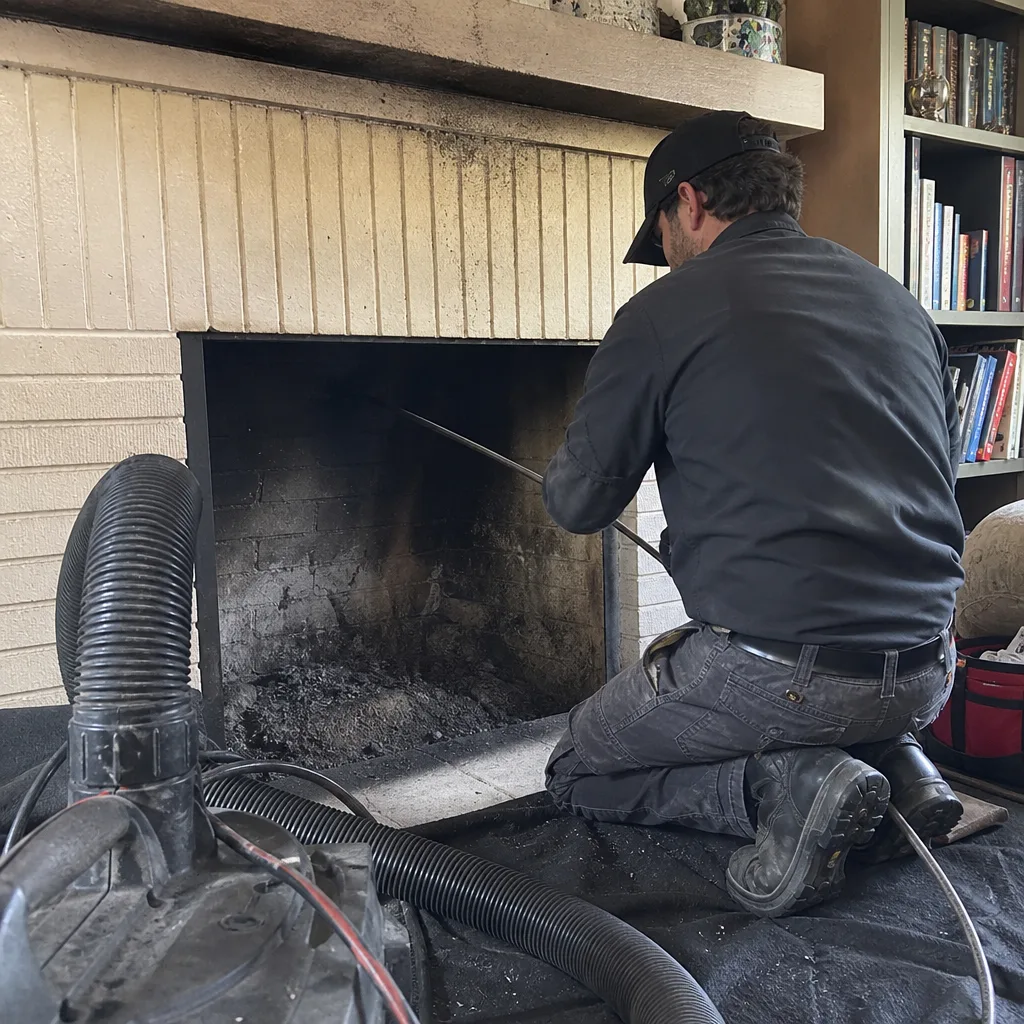 Before
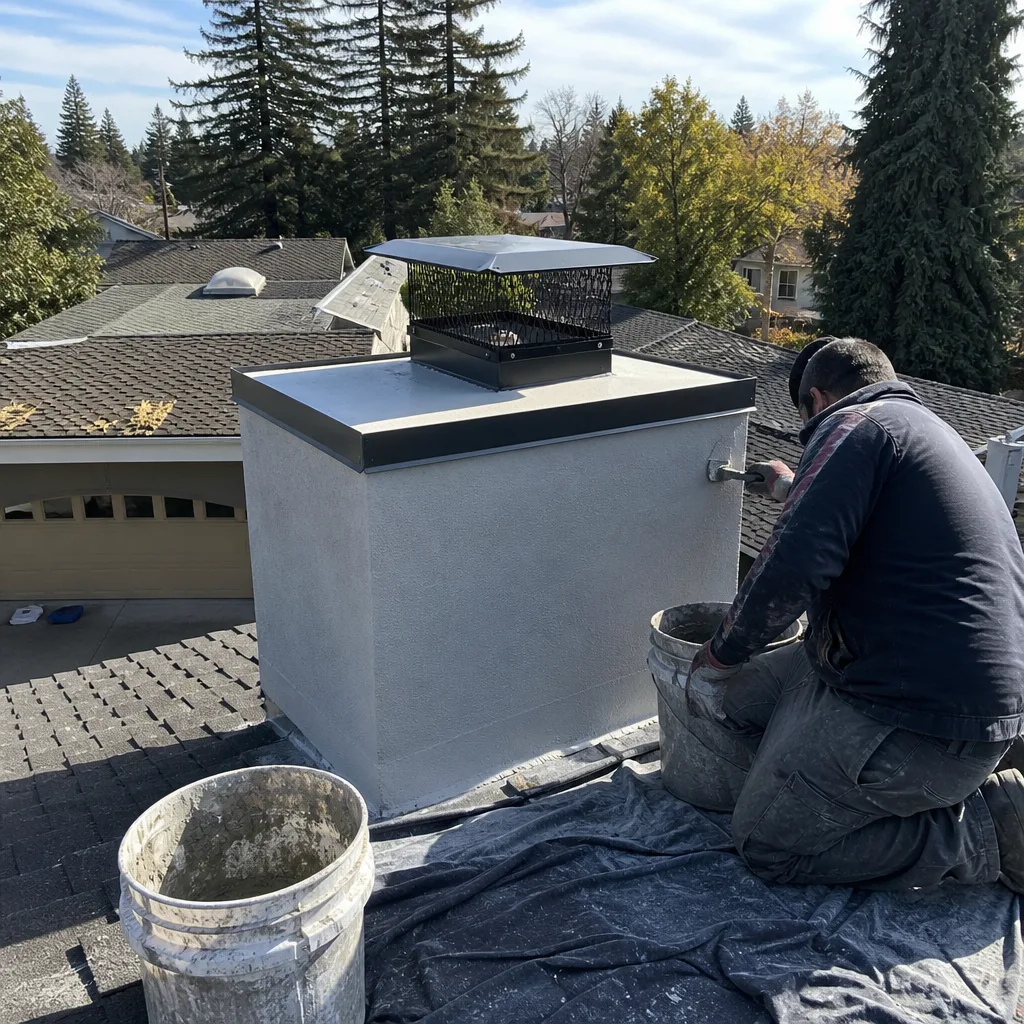 After
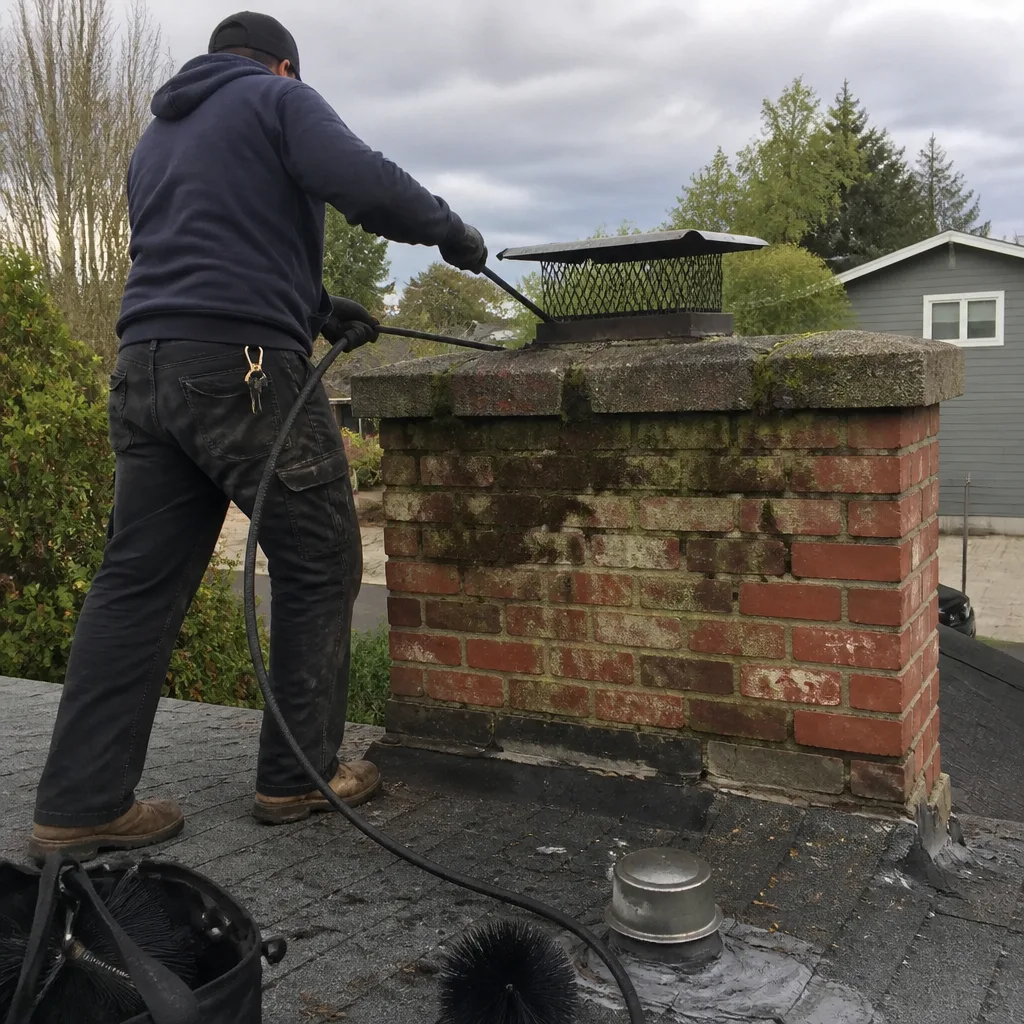 Before
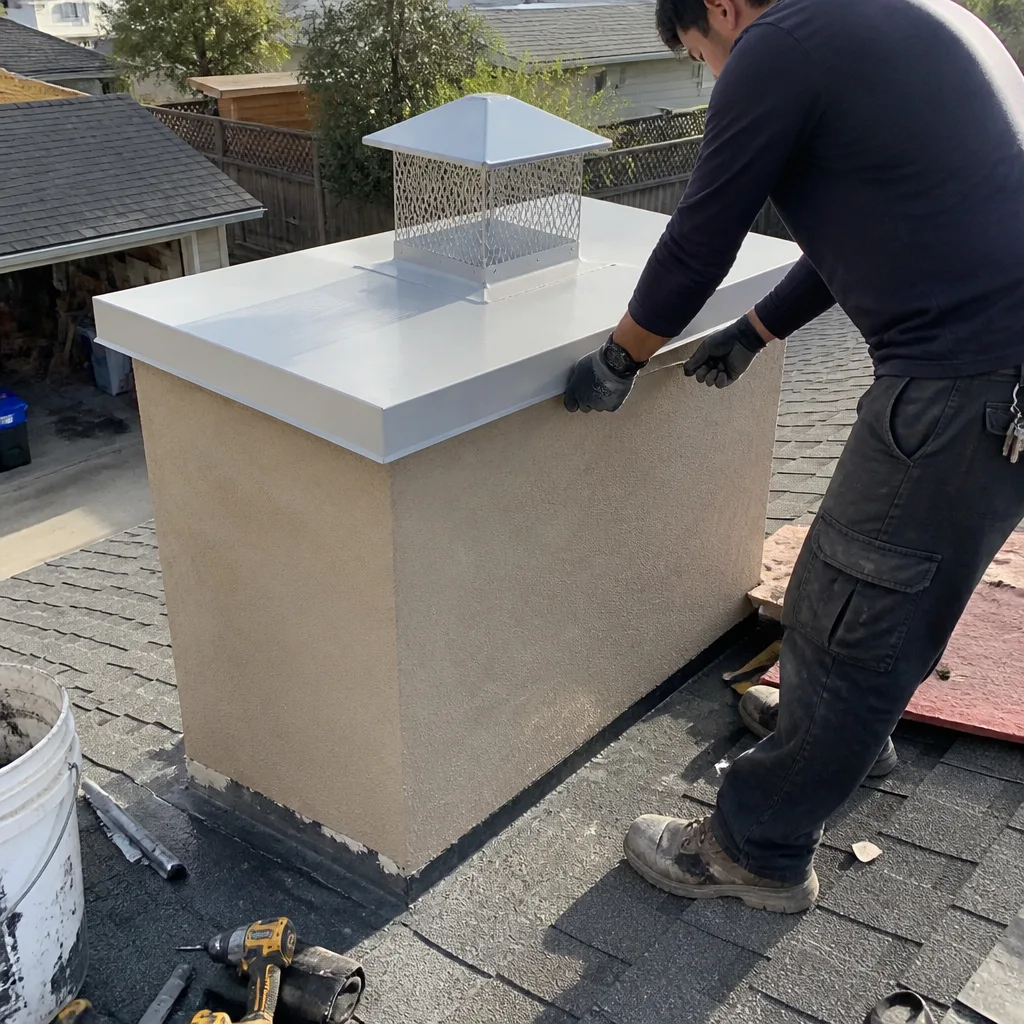 After
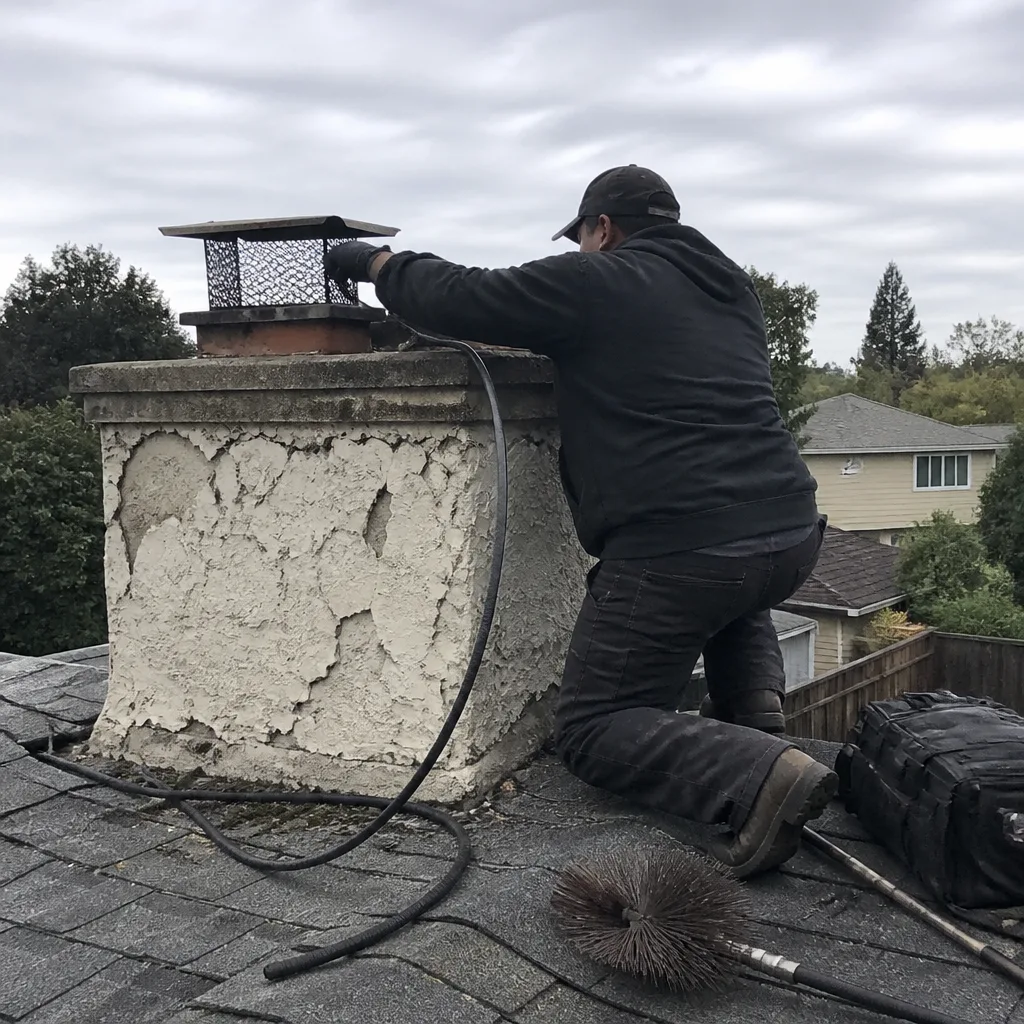 Before
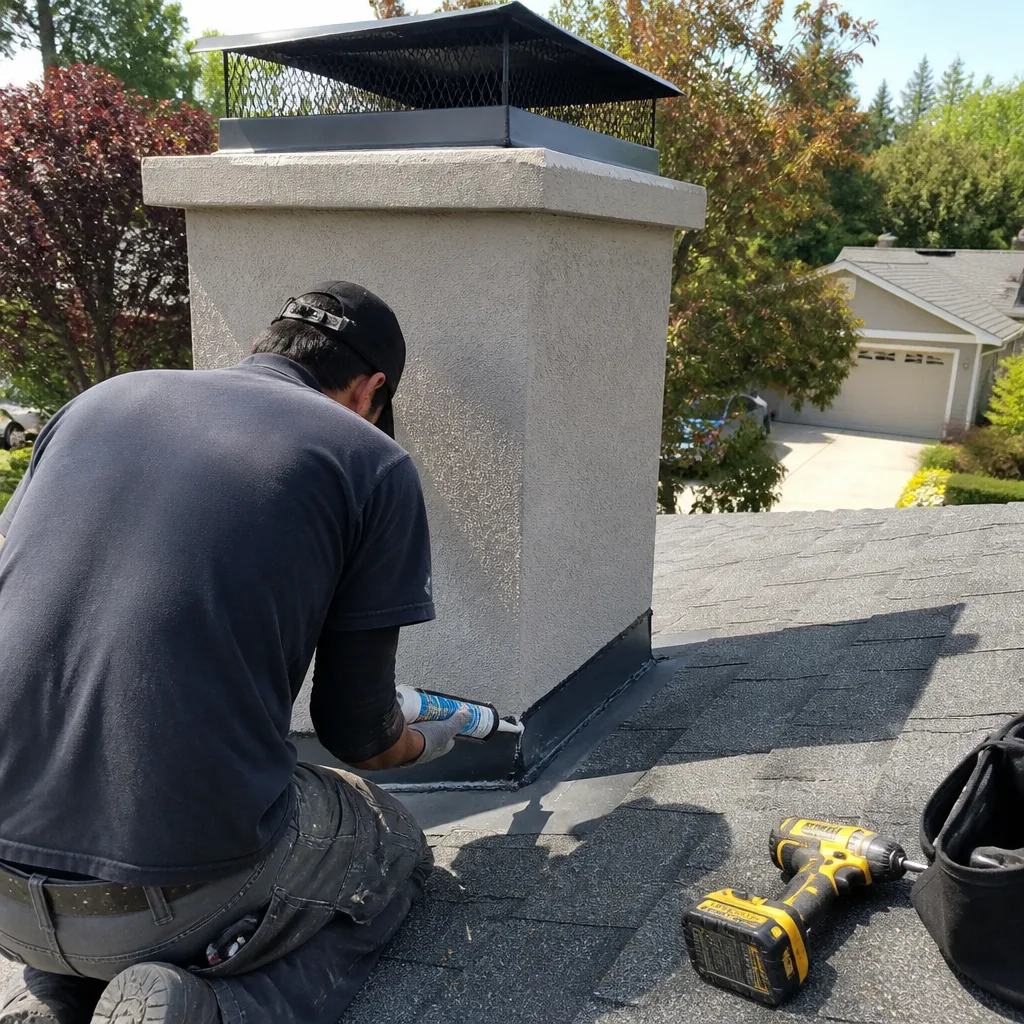 After