
Last updated November 3, 2026
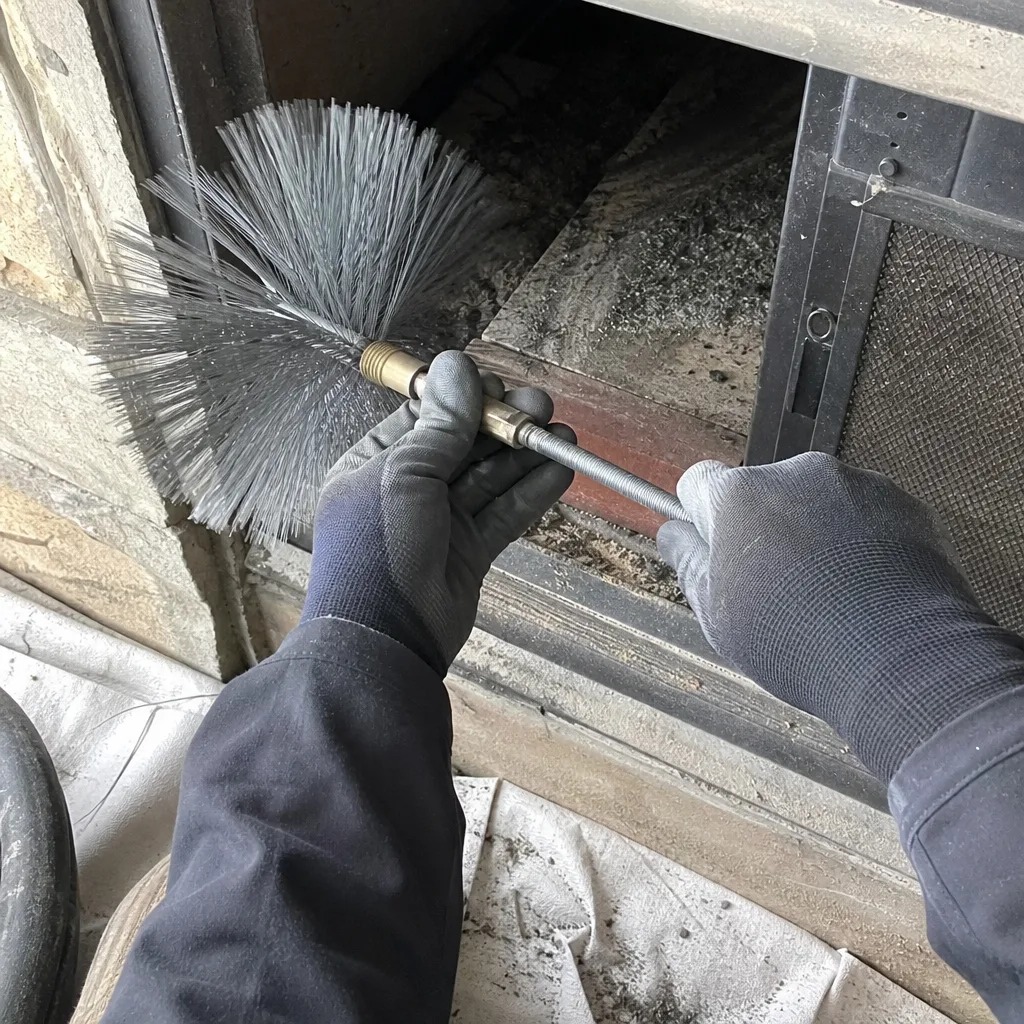
 Sweep & inspection
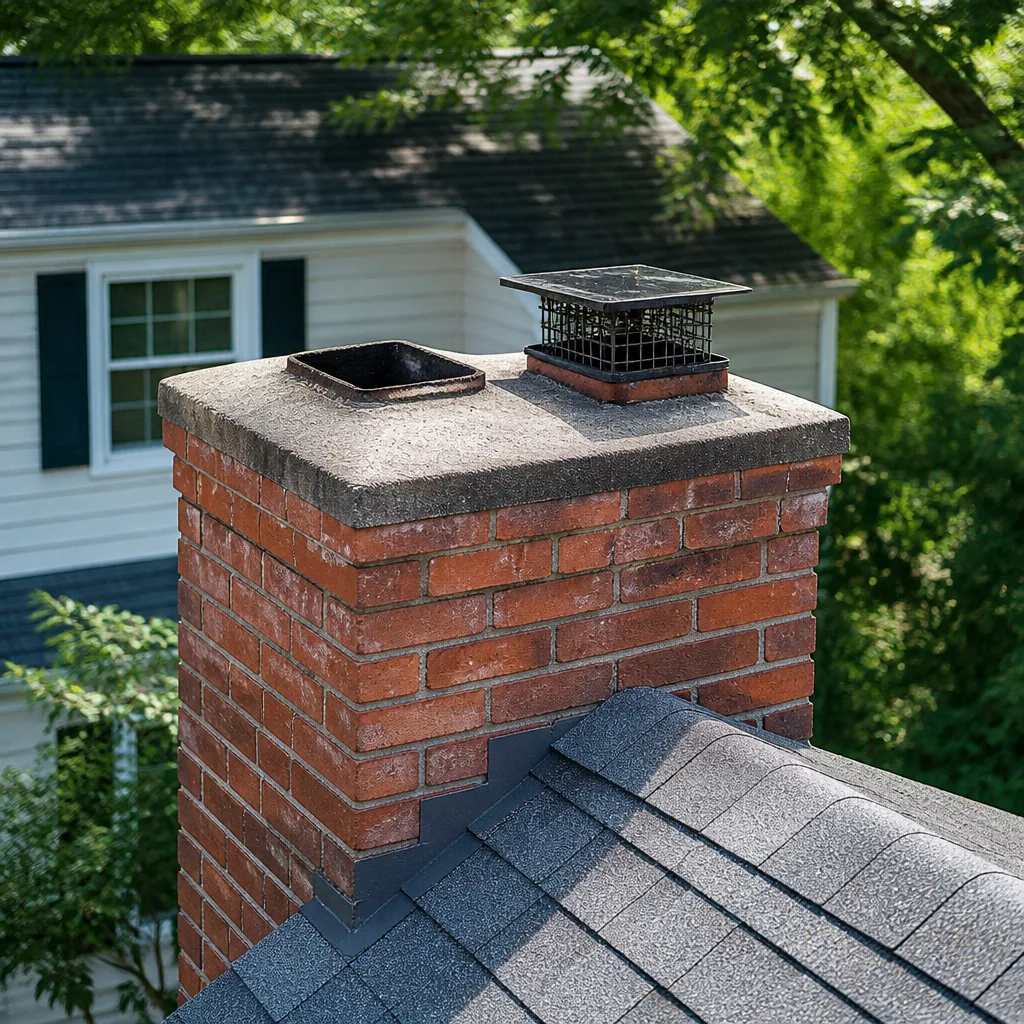
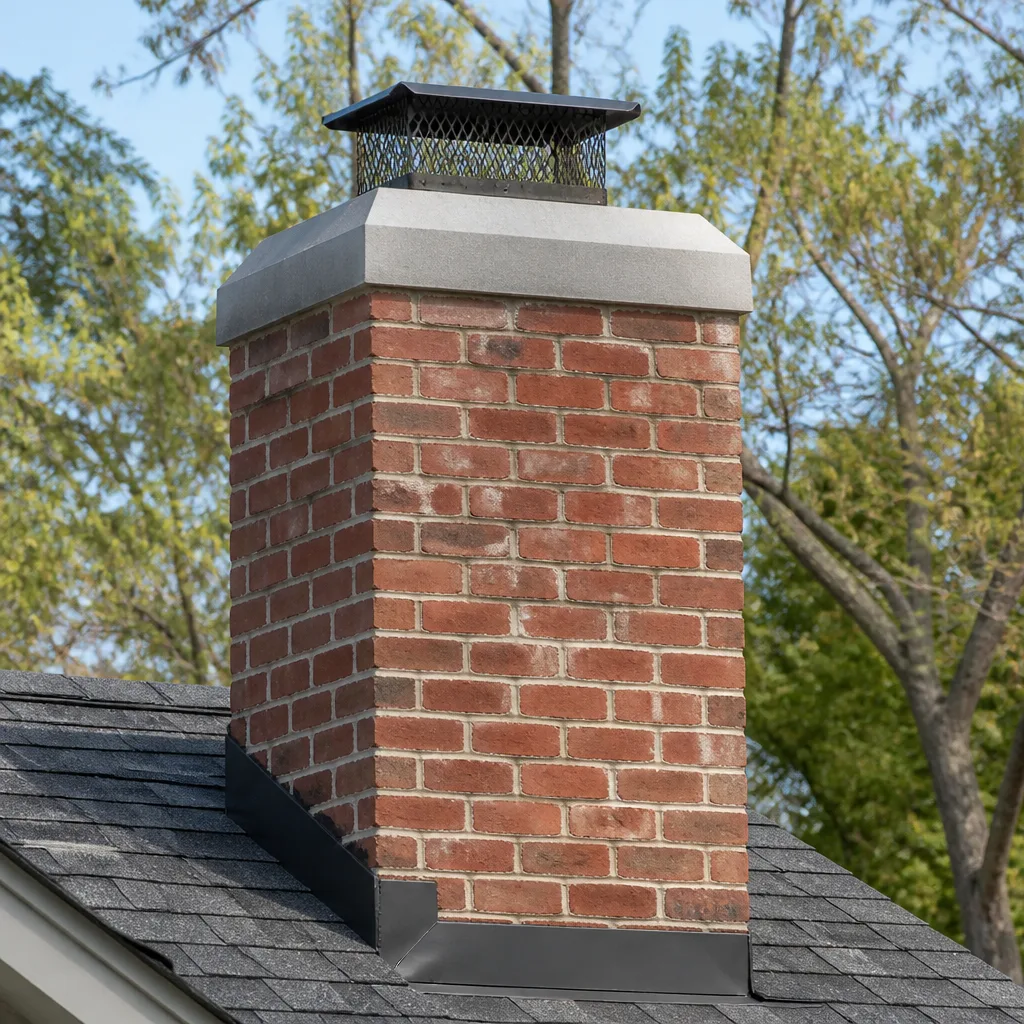 Caps & crowns
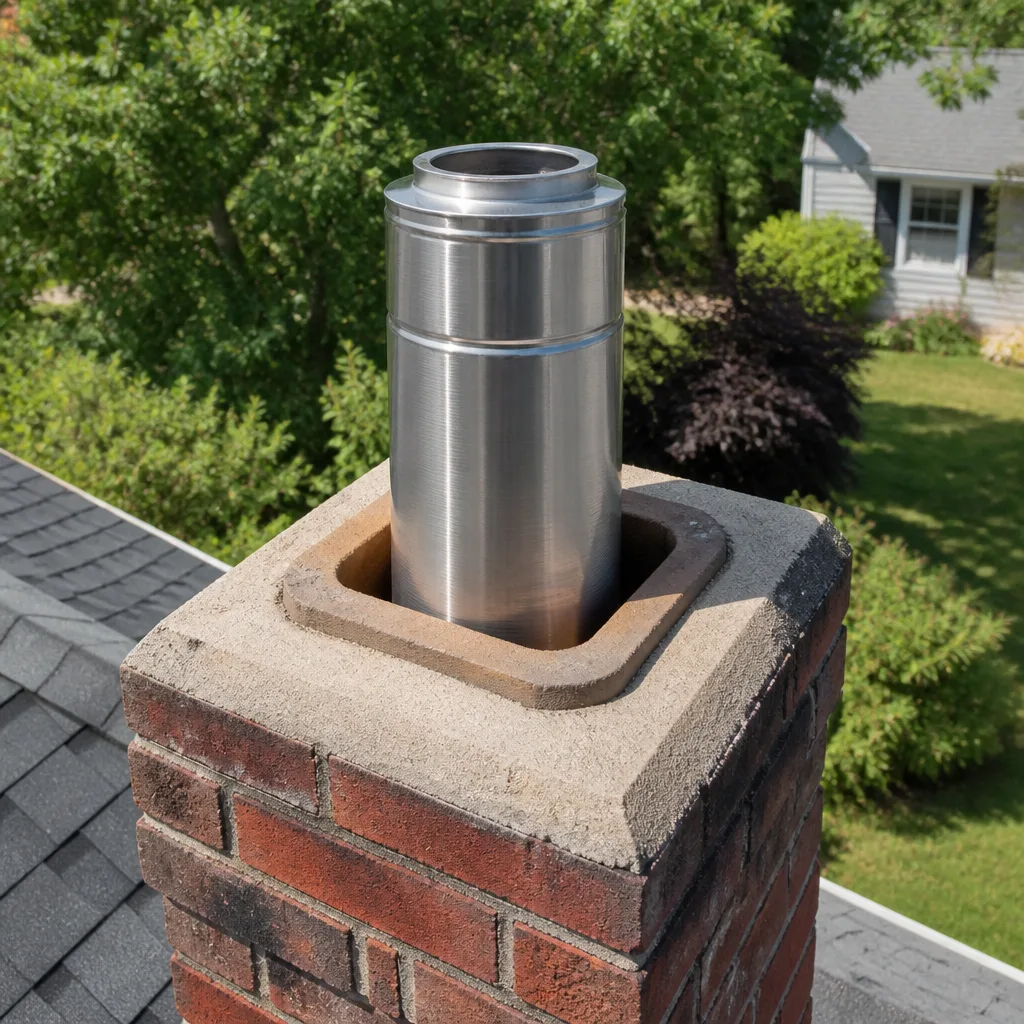 Flue relining
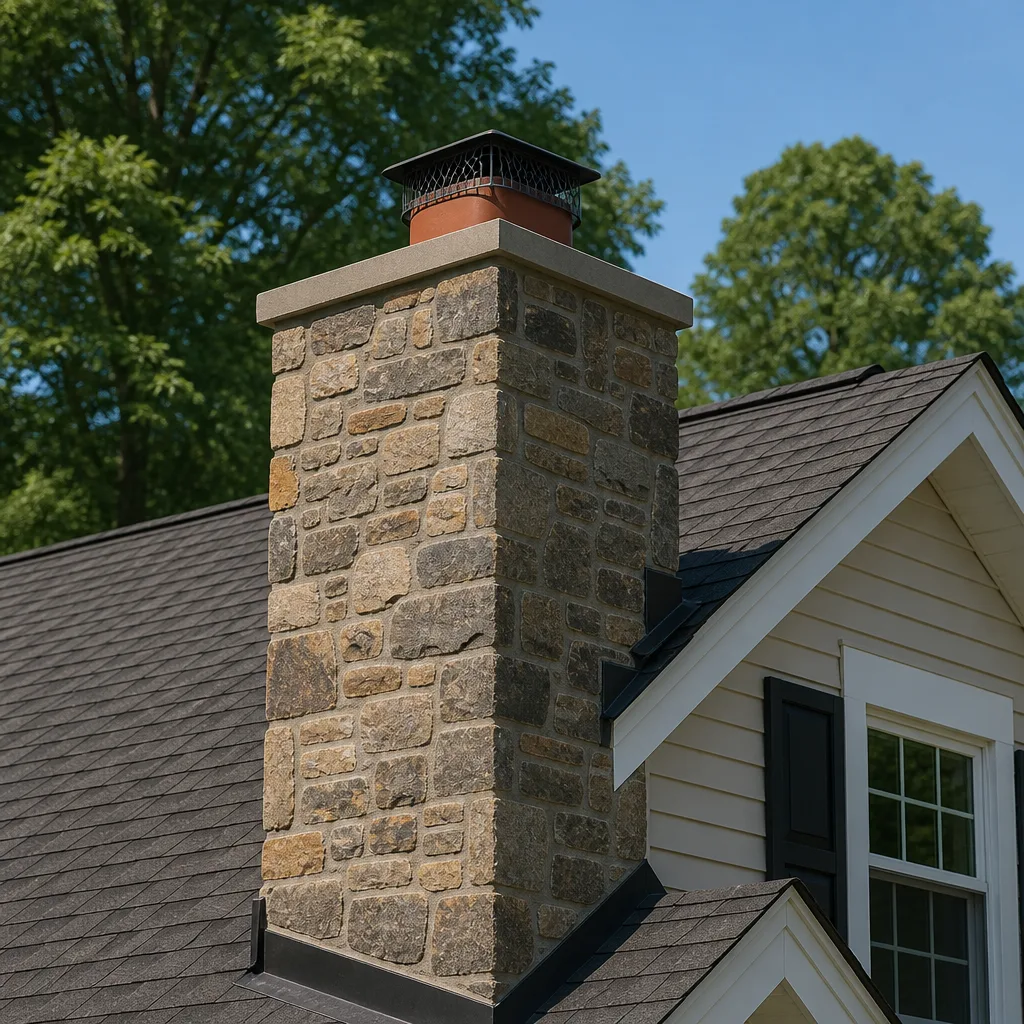 Masonry repair
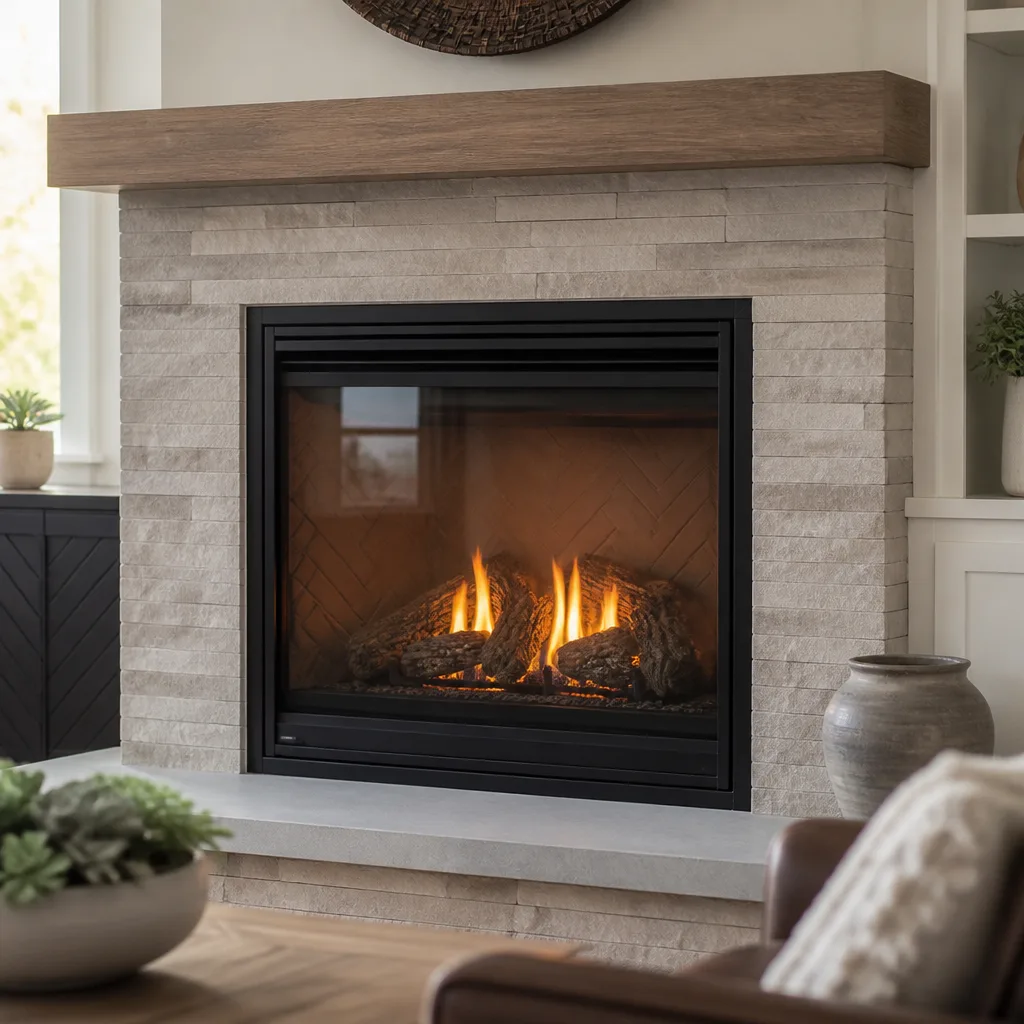 Gas fireplace service
Level 1 sweep and inspection to the NFPA 211 annual standard - flue, crown, cap, and flashing checked and photographed
Chimney sweep logs do not sweep chimneys. They loosen some creosote - which then falls where a brush and vacuum still have to collect it.
The Complete Chimney Sweep Guide for Mountain View Homeowners
A chimney that gets light use isn’t a safe chimney. That statement surprises most Mountain View homeowners, because the mild Bay Area climate makes a fireplace feel optional rather than essential. You burn a fire on ten or twelve cool evenings a year, maybe fewer, and the chimney looks fine from the outside. But incomplete combustion from small, cool fires in mild climates deposits creosote faster per cord burned than a fireplace running hard through a Minnesota winter. This guide explains why that happens, what it means for your home in Mountain View, what a proper Chimney Sweep should include, and how to know when a chimney needs more than cleaning. You’ll learn how to read an inspection report, why dryer vents belong in the same conversation, and what local code says about chimneys after seismic activity.
Styles & brands we work with
- Sweep & inspection
- Caps & crowns
- Flue relining
- Masonry repair
- Gas fireplace service
Quick Answer
A Complete Guide to Chimney Cleaning in Mountain View will tell you that a sweep typically costs between $180 and $350 for a standard Level 1 inspection and cleaning, and should be scheduled annually even if you rarely burn. The mild climate here creates a specific problem: occasional, low-temperature fires produce glazed creosote faster per cord than heavy cold-weather burning, so skipping years is riskier than it seems. A complete sweep visit should include written findings, video scan documentation, and a liner condition assessment, not just a brush through the flue.
Table of Contents
- Why Bay Area Burn Patterns Create Disproportionate Creosote
- How to Read a Level 1 vs. Level 2 Inspection Report
- What a Complete Sweep Visit Should Produce
- Mountain View and Santa Clara County Code Requirements
- The Dryer Vent Connection: Why Schedule Both Together
- Liner Repair vs. Replacement: What the Options Actually Are
- How Often Should You Sweep a Chimney in Mountain View?
- Common Mistakes to Avoid
- When to Call a Professional
- Frequently Asked Questions
- The Bottom Line
Why Bay Area Burn Patterns Create Disproportionate Creosote
Creosote forms when wood smoke cools before it exits the flue. The smoke contains unburned wood particles, water vapor, and volatile organic compounds. When the flue stays hot enough, those particles exit as gas. When the flue is cool, they condense on the flue walls as creosote. That’s the chemistry in one paragraph.
Now here’s the Mountain View problem. A fire built for an evening in a 55-degree living room is typically small. The homeowner isn’t loading the firebox for eight hours of continuous heat. It’s a two-log fire, maybe three, burning at a lower temperature for a shorter duration. The flue never reaches the sustained high temperature that keeps creosote in gas form. So the smoke cools partway up the chimney, and creosote condenses.
We see this pattern across Mountain View neighborhoods, from Old Mountain View bungalows with original fireplaces to newer construction in the Whisman Station area. The homes don’t matter as much as the burn habits. Light, occasional fires consistently produce a denser, stickier creosote than hot, frequent fires. That dense creosote, when it accumulates in layers, becomes the glazed or third-stage creosote that’s difficult to remove with standard brushes and carries the highest fire risk.
Compare that to a Minneapolis fireplace burning daily from November through March. The flue interior stays hot for hours. Creosote that forms early in the burn cycle often re-vaporizes or flakes off as loose soot. The annual sweep removes a thin layer of mostly first-stage material. The Mountain View fireplace, by contrast, builds up layer after layer of glossy, tar-like creosote from a dozen separate low-temperature burns, each one adding to the deposit before it has a chance to cure or flake.
The practical takeaway: if you burn at all in Mountain View, even occasionally, you’re a candidate for annual sweeping. The light-use trap is exactly what it sounds like. Burning less does not mean cleaning less. In fact, per burn, it often means cleaning more.
How to Read a Level 1 vs. Level 2 Inspection Report
Chimney inspections follow a three-level system defined by the National Fire Protection Association (NFPA 211). Most homeowners only ever hear “we’ll inspect the chimney” and never learn what that actually means. Knowing the difference matters, because it determines what the technician will find and what gets missed.
Level 1 inspection is the standard annual check. The technician examines the readily accessible portions of the chimney: the firebox, damper, flue interior, exterior masonry, and the basic connections at the appliance. No special tools are needed. This is what accompanies a routine sweep. A Level 1 report should document flue condition, creosote depth and type, visible cracks or spalling in the firebox, damper function, and any obstructions.
Level 2 inspection goes deeper and includes video scanning of the flue interior. It’s triggered by specific events: a change in fuel type, a change in flue liner, a property sale, a chimney fire, or any seismic event. Mountain View sits within Santa Clara County’s seismic zone, and after any earthquake strong enough to rattle dishes, a Level 2 inspection is the correct call. Video scanning reveals what a visual check cannot: hidden flue cracks, separated liner joints, and creosote you can’t reach.
Level 3 inspection involves removing components to access concealed areas. Rarely needed. It applies when a Level 2 report finds a serious condition that requires invasive access to diagnose properly.
Here’s how the readings actually work in practice:
- Technician performs a Level 1 inspection during the sweep and documents findings in writing.
- If the technician sees flue damage, hears suspicious echoes during cleaning, or knows the home recently experienced seismic activity, the recommendation escalates to Level 2.
- A Level 2 report includes video footage or stills of the flue interior, with measurements of spalled areas, cracked liner segments, or misaligned flue tiles.
- Findings that trigger repair recommendations: flue tile cracks wider than a hairline, missing mortar between liner joints, cracked firebox refractory panels, or creosote deposits thicker than 1/8 inch that require chemical treatment or mechanical removal beyond standard brushing.
If a report stops at “we cleaned it, looks okay,” you didn’t get an inspection. You got a brushing. There’s a difference, and one has actual liability and safety value.
What a Complete Sweep Visit Should Produce
Most homeowners don’t know what to expect from a chimney sweep because the industry has no single standard, though our DIY vs Professional Chimney Cleaning guide can help you decide. A $99 special from a coupon mailer and a $300 professional sweep may both use a brush, but what you get for your money differs enormously.
Here’s what a complete sweep visit in Mountain View should produce every time:
- Written inspection findings. Not a verbal summary. A written report describing what the technician observed, what was cleaned, what the creosote levels were, and what condition the visible components are in. If you sell the home, this documentation protects you.
- Video scan documentation. If a Level 2 inspection is indicated, the scan should be recorded. You should be able to see the flue interior yourself, on a screen, in real time or shortly after. A technician who won’t show you the scan is asking you to take his word for it. You don’t have to.
- Liner condition assessment. This is non-negotiable. The flue liner is the single most important safety component in the chimney system. A clear assessment, written down, of liner material, liner condition, and remaining service life.
- Creosote type and measurement. First-stage (flaky soot), second-stage (granular, tar-like), or third-stage (glazed, hard, shiny). The measurement, in inches, drives the urgency of the next cleaning.
- Damper function check. Opens and closes fully? Seats properly? Any rust or warping?
- Cap and crown inspection. The chimney cap prevents rain, animals, and debris from entering. The crown is the concrete or mortar top surface that sheds water. Both fail over time.
- Clear next steps. If repairs are needed, you should leave the conversation knowing what they are, why they matter, and what the options are, with costs you can compare.
We diagnose and fix, not just inspect and leave. That’s the difference between a service that hands you a problem and a service that solves one. If a sweep visit ends with “you should get that looked at someday” and no follow-up, you didn’t get what you paid for.
Mountain View and Santa Clara County Code Requirements
Chimney safety in Mountain View operates within Santa Clara County’s building and fire code framework. The county has adopted the California Building Code with amendments, which references NFPA 211 as the standard for chimney design, inspection, and maintenance.
Two local factors matter most for Mountain View homeowners. First, the seismic overlay. Santa Clara County’s building department recommends chimney inspection after any earthquake event strong enough to cause visible structural movement or damage. You don’t need a County inspector to do this. A chimney sweep in Mountain View trained in Level 2 inspection can perform the video scan and document the flue condition. The important thing is that you get it done sooner rather than later. A cracked flue liner after a minor tremor may not show any external signs, but the next fire you light could push heat and gases through that crack into the chimney chase or wall cavity.
Second, the older housing stock. Many Mountain View homes built before 1980 have unlined chimneys or original clay tile liners that have exceeded their service life. Clay tile liners crack under thermal stress, and after forty-plus years of expansion and contraction cycles, plus small seismic events, cracks are common. A seller’s disclosure during a home sale may not flag this, because the seller rarely knows. A Level 2 inspection during escrow or shortly after purchase catches it.
If you’re buying a home in Mountain View with a fireplace, schedule a Level 2 inspection as part of your due diligence. The cost is minor compared to discovering a failed liner after you’ve moved in. And if you’ve owned your home for more than five years without a video scan, you’re overdue, not because you did anything wrong, but because flue interiors degrade in ways you can’t see from the roof or the firebox.
The Dryer Vent Connection: Why Schedule Both Together
Dryer vents and chimneys share a failure mode: both move hot, particle-laden air through a duct, and both accumulate deposits that restrict airflow and create fire risk. The U.S. Fire Administration reports roughly 2,900 dryer fires annually, a significant portion caused by lint accumulation in the vent. Chimney fires from creosote ignition sit in the same category of preventable residential fire.
From an operational standpoint, scheduling both in one visit makes sense for three reasons. First, the technician is already on site with the tools, the ladder, and the inspection equipment. A combined visit costs less than two separate calls. Second, the inspection mindset transfers. The same discipline that produces a written chimney report applies to a dryer vent: airflow measurement, lint accumulation check, vent termination inspection. Third, most homeowners don’t think about the dryer vent until it fails. But a dryer vent cleaning in Mountain View is one of the highest-value maintenance items per dollar spent, and it’s logically adjacent to the chimney work.
A combined inspection should cover:
- Chimney flue cleaning and Level 1 inspection
- Firebox and damper condition check
- Dryer vent lint removal, full run from dryer to exterior termination
- Dryer vent airflow test at the exterior termination point
- Vent connection check at the dryer itself
- Screen or damper check at the exterior vent cap
Your dryer vent is a fire risk too, and one that’s usually easier and cheaper to address than a chimney liner issue. We clean both in one visit because separating them doesn’t make sense for the homeowner.
Liner Repair vs. Replacement: What the Options Actually Are
When a Level 2 inspection finds a cracked or deteriorated flue liner, the homeowner faces a decision. For decades, the only answer was a full relining: breaking out the old clay tiles and installing a new liner system. That’s a major project. Now there are alternatives, and knowing the difference changes the cost equation significantly.
Option 1: HeatShield resurfacing. HeatShield is a cerfractory material (ceramic and refractory compounds) that can resurface a damaged flue liner from the interior without removing the old tiles. The material is applied through a spinning applicator or a pump, coating the flue walls and filling voids, cracks, and joint gaps. It restores the flue to a smooth, insulated interior surface and carries a manufacturer’s warranty. This works in many older Mountain View homes where the original clay liner has cracked but the chimney structure itself is sound. HeatShield is the reason many liners that would have required full replacement ten years ago can now be repaired for a fraction of the cost. Not every liner qualifies, but when it does, it’s the best option.
Option 2: DuraFlex liner installation. DuraFlex is a flexible stainless steel liner system used when a flue needs a new liner, either because the original is beyond resurfacing or the chimney configuration makes rigid liners impractical. DuraFlex liners are particularly useful for older or irregular flue configurations, masonry chimneys with offsets, or transitions where a rigid liner can’t navigate the path. The liner installs as a continuous, sealed passage from the appliance to the chimney cap. For gas appliances, an appropriately sized DuraFlex liner provides proper draft and contains combustion byproducts.
Option 3: Full clay tile replacement. Rarely the right answer in a retrofitting scenario unless the chimney structure is already opened. Removing and replacing clay tiles is destructive and expensive, and the result is still a rigid liner that will eventually crack again.
The brands matter here. HeatShield and DuraFlex are professional product lines, not hardware-store substitutes. A technician who stocks and uses them is a different conversation than one who recommends generic or mismatched materials. The right application depends on the flue dimensions, the appliance type, and the condition of the surrounding masonry, which is exactly the kind of diagnostic work a chimney repair in Mountain View specialist should be doing.
How Often Should You Sweep a Chimney in Mountain View?
The NFPA standard is straightforward: chimneys should be swept at least once per year, regardless of fuel type or burn frequency. The one-year interval is a maintained-code minimum, not a recommendation based on your usage. For Mountain View homeowners, apply this logic:
- You burn wood at least once a month during the cooler season: annual sweep, ideally in the fall before the burning season starts. If you notice glaze or heavy buildup in a previous report, consider a mid-season check.
- You burn occasionally (less than once a month): still annual. The light-use creosote problem discussed above makes the interval non-negotiable.
- Gas fireplace, vented: annual inspection, with a sweep as needed. Gas fireplaces don’t produce creosote, but they do produce acidic condensate that corrodes liners and clog with dust and debris.
- Gas fireplace, ventless: annual inspection, focusing on the oxygen depletion sensor and burner condition. These units don’t have chimneys but still need cleaning and safety checks.
- Wood stove insert: annual sweep, and frequently more than that. Inserts run hot but can accumulate dense creosote at the flue connection if not maintained.
The seasonal timing for Mountain View is different than for colder climates. You don’t need to time your sweep for October because winter is brutal. You can sweep in any month, but the practical sweet spot is the fall, before the holiday season, when fireplaces become a social centerpiece. If you’ve had a chimney fire or any seismic event, don’t wait for the annual visit. Schedule the inspection immediately.
Common Mistakes to Avoid
- Skipping a sweep because you barely use the fireplace. The light-use creosote pattern in Mountain View means occasional burners often have worse buildup than frequent burners. Annual is annual.
- Accepting a verbal “looks fine” as an inspection. A proper inspection produces written findings. If there’s no paper or digital report, there’s no inspection. Demand documentation.
- Ignoring a cracked liner because the fireplace “still works.” A cracked liner may not affect draft noticeably, but it’s a fire pathway to combustible framing. The chimney still functioning is not a reason to skip repair.
- Cleaning the dryer lint trap and thinking the vent is clean. The lint trap catches maybe 25 percent of lint. The rest travels through the duct and accumulates there. Lint trap diligence doesn’t clean the vent.
- Waiting until a home sale or insurance inspection forces the issue. By then, the needed repairs are usually more extensive, and you’re working under a deadline that limits your options.
- Burning wet or unseasoned wood because it’s available. Wet wood produces dramatically more creosote per burn than seasoned wood with under 20 percent moisture content. In Mountain View, where winters are mild, green wood from a downed tree seems convenient. It’s a creosote factory.
- Assuming a chimney cap is optional. Mountain View has a healthy population of squirrels, birds, and raccoons looking for warm nesting sites. An uncapped chimney invites them in, and a nest blocks the flue.
When to Call a Professional
Call for a sweep and inspection if it’s been more than twelve months since your last one, regardless of how much you’ve burned, and see our more guides & resources for year-round maintenance tips. Call sooner if you notice any of these: smoke entering the room instead of drafting up, a strong campfire-like odor even when the fireplace is cold, dark staining on the walls above the fireplace opening, or visible soot falling into the firebox. After any chimney fire, even a small one that burned itself out within seconds, call before using the fireplace again. After any earthquake that shook your home noticeably, schedule a Level 2 inspection before the next burn. A chimney is a structural system. It responds to seismic movement like the rest of the house, and the flue liner is the most fragile part.
Chimney Sweep Mountain View offers free estimates in Mountain View. Call (866) 596-8327 to schedule a sweep, a combined sweep and dryer vent cleaning, or a Level 2 inspection.
Frequently Asked Questions
A standard chimney sweep with Level 1 inspection in Mountain View typically costs between $180 and $350 depending on flue condition, accessibility, and whether the sweep includes a video scan. A Level 2 inspection with camera documentation adds to the cost. For an exact quote on your chimney, call (866) 596-8327. Estimates are free.
It depends on the extent of the damage. Hairline cracks in an otherwise sound clay liner can often be addressed with HeatShield resurfacing, which restores the flue interior without full relining. Larger structural failures or flues with multiple offset breaks typically require a DuraFlex flexible liner installation. The only way to know which category you’re in is a Level 2 video inspection. A proper report shows you the damage on screen, so the recommendation isn’t based on trust alone.
Once per year at minimum, regardless of how often you burn. Mountain View’s mild climate leads to light, occasional fires that produce dense creosote at a disproportionately high rate. Annual sweeping is the NFPA standard and the practical baseline for a safe chimney.
Yes, though for different reasons than a wood fireplace. Gas fireplaces don’t produce creosote, but they do create acidic condensate that corrodes flue liners over time, and vented gas units accumulate dust, debris, and sometimes animal nests. An annual inspection with cleaning is the right maintenance interval.
Creosote accumulates layer by layer. First-stage flaky soot becomes second-stage granular tar, then third-stage glazed creosote that’s difficult to remove and highly combustible. A chimney fire becomes possible. Even without a fire, a blocked flue can push carbon monoxide into the home. In Mountain View, where light-use creosote densifies quickly, skipping three or four years is enough to create a significant safety problem.
Yes, and it’s recommended. A combined visit handles both major vent fire risks in one appointment, and the technician can assess both systems with the same Level 1 inspection discipline. Chimney Sweep Mountain View offers combined chimney and dryer vent cleaning in Mountain View as a standard option. Call (866) 596-8327 to schedule both in one visit.
The Bottom Line
Mountain View’s climate creates a chimney risk that cold-climate wisdom doesn’t address. Occasional, low-temperature fires deposit more creosote per burn than heavy cold-season use, which means skipping years of cleaning is worse here than in a snowy state. Annual sweeping with written documentation and video inspection is the baseline. After seismic events, upgrade to a Level 2 inspection without delay. Dryer vents deserve the same attention as the chimney, and scheduling both together saves money and closes two fire risk gaps in one visit. When a liner fails, modern options like HeatShield resurfacing and DuraFlex relining provide effective alternatives to full tile replacement. We sweep, repair, and reline, one company, one call. For a free estimate in Mountain View, call (866) 596-8327.
Written by the team at Chimney Sweep Mountain View, serving Mountain View since 2015.
See the difference
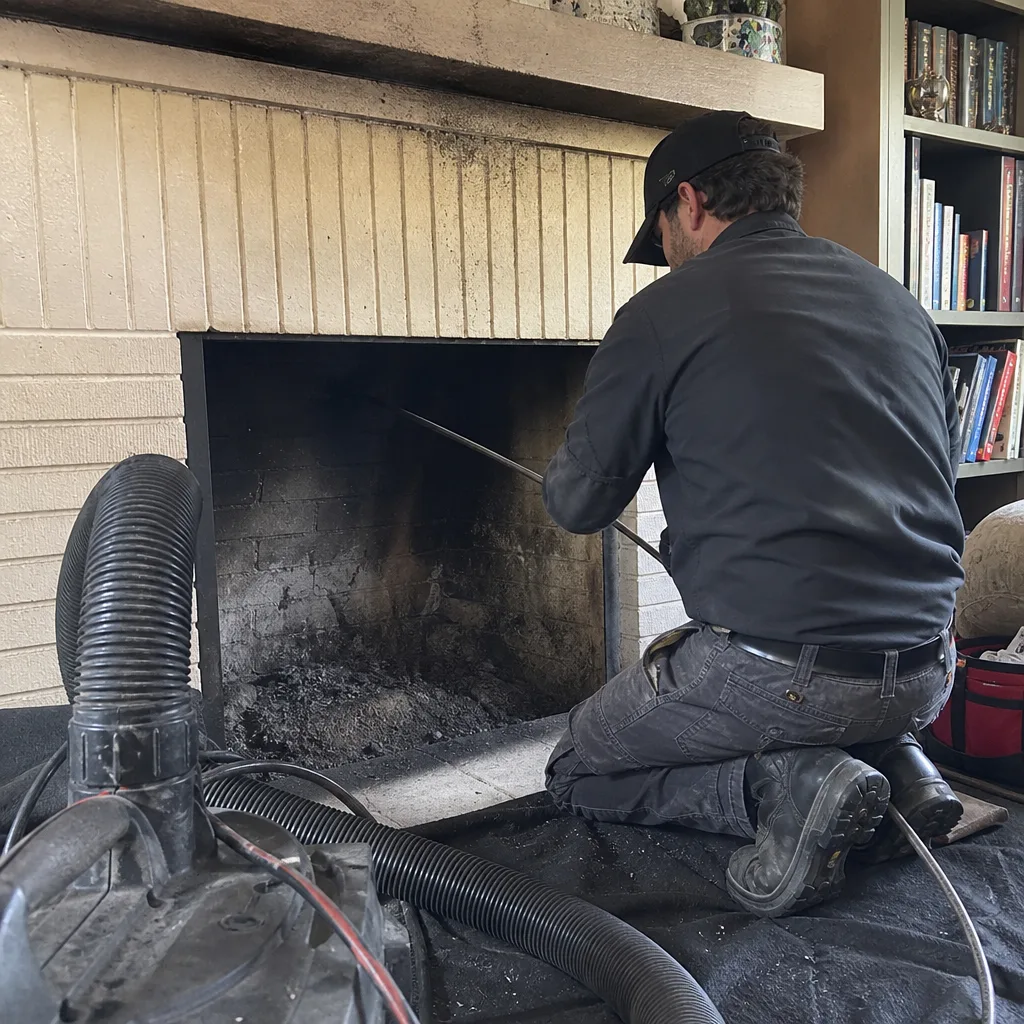 Before
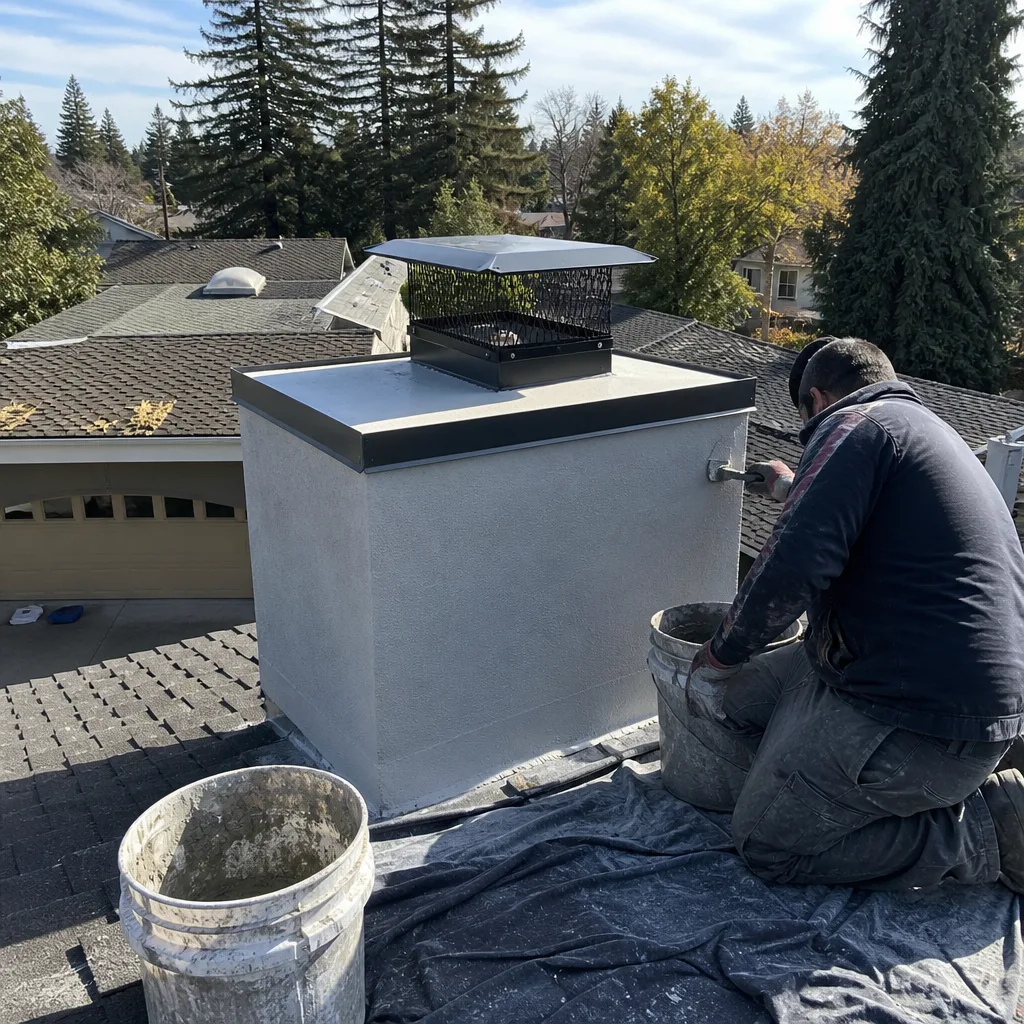 After
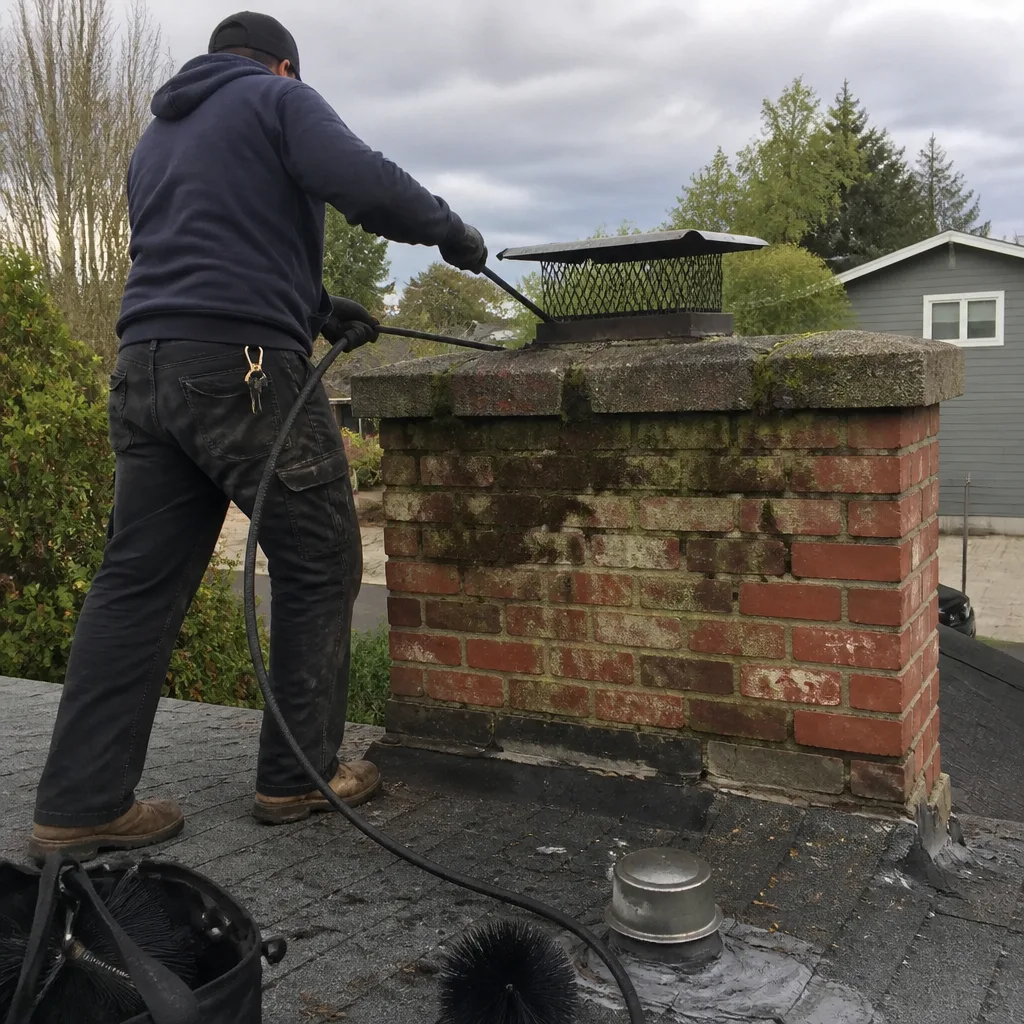 Before
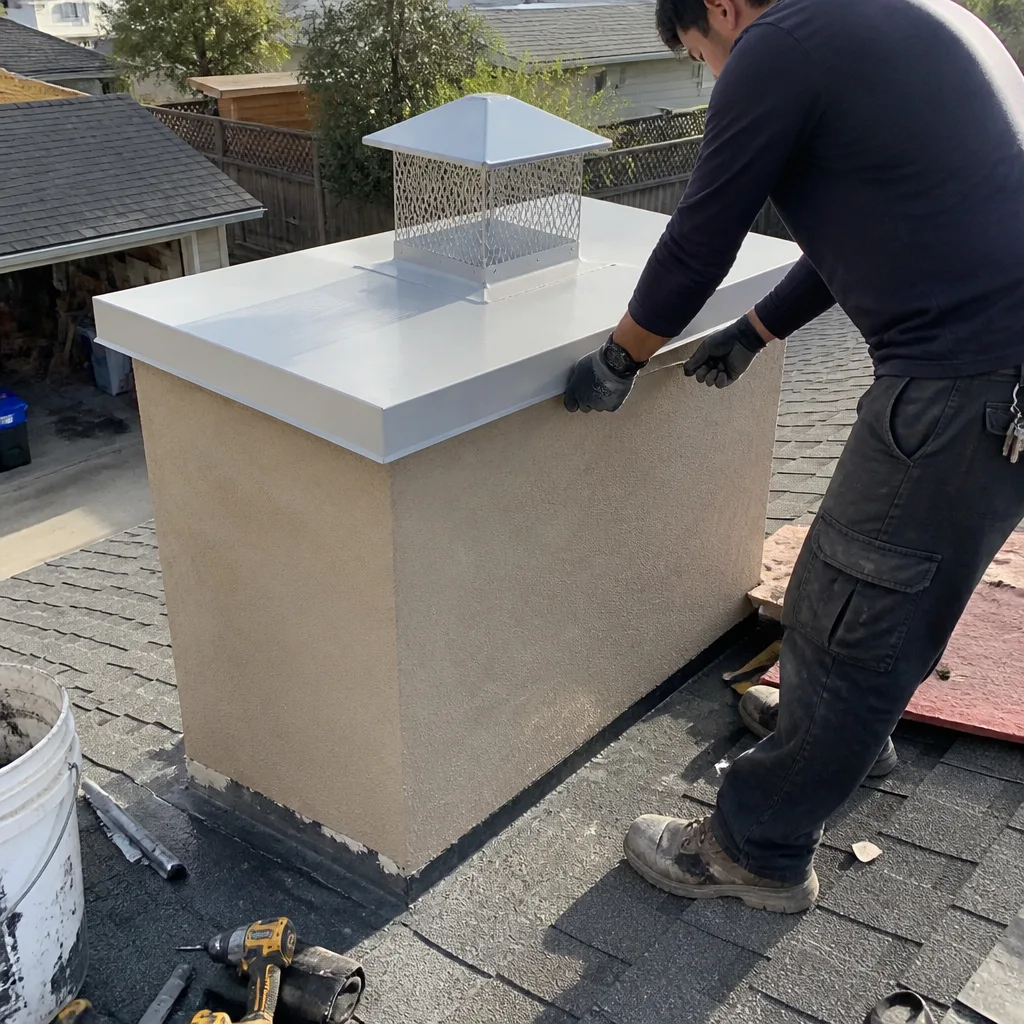 After
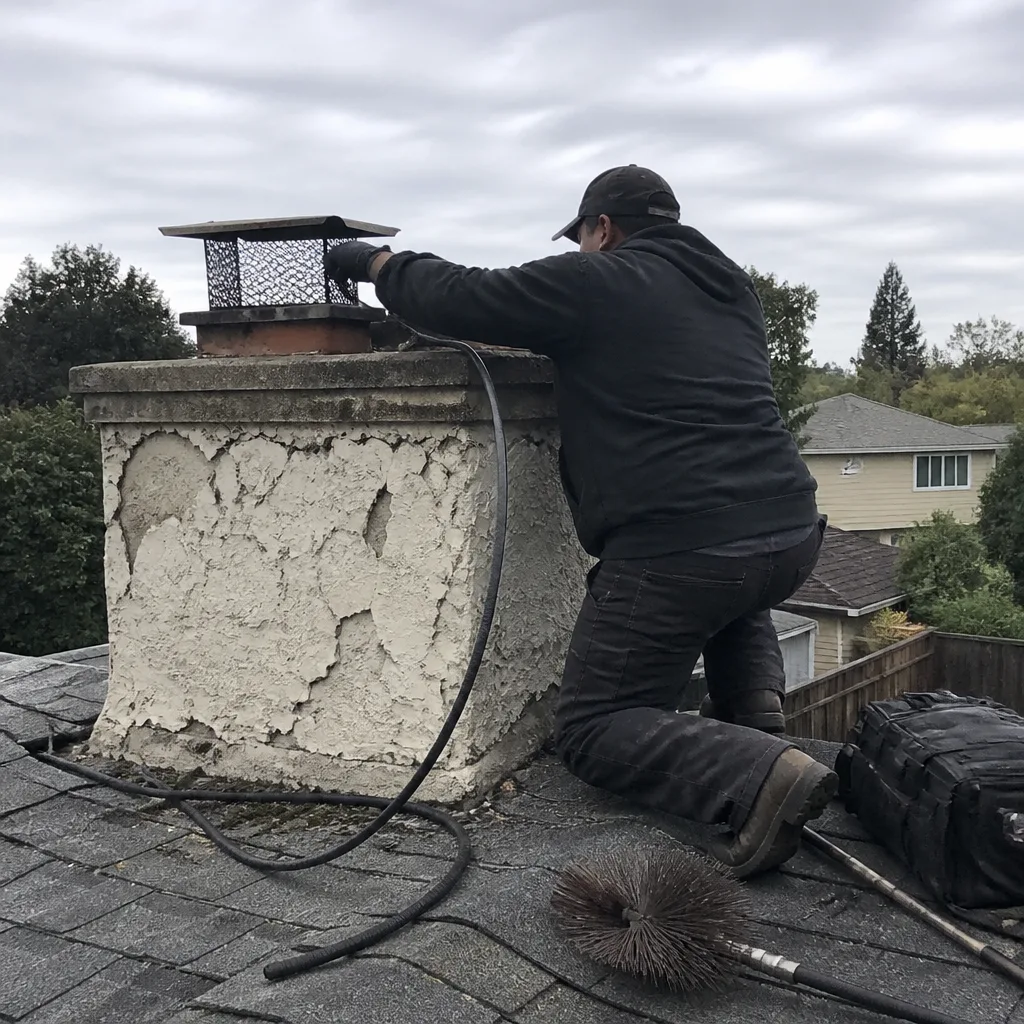 Before
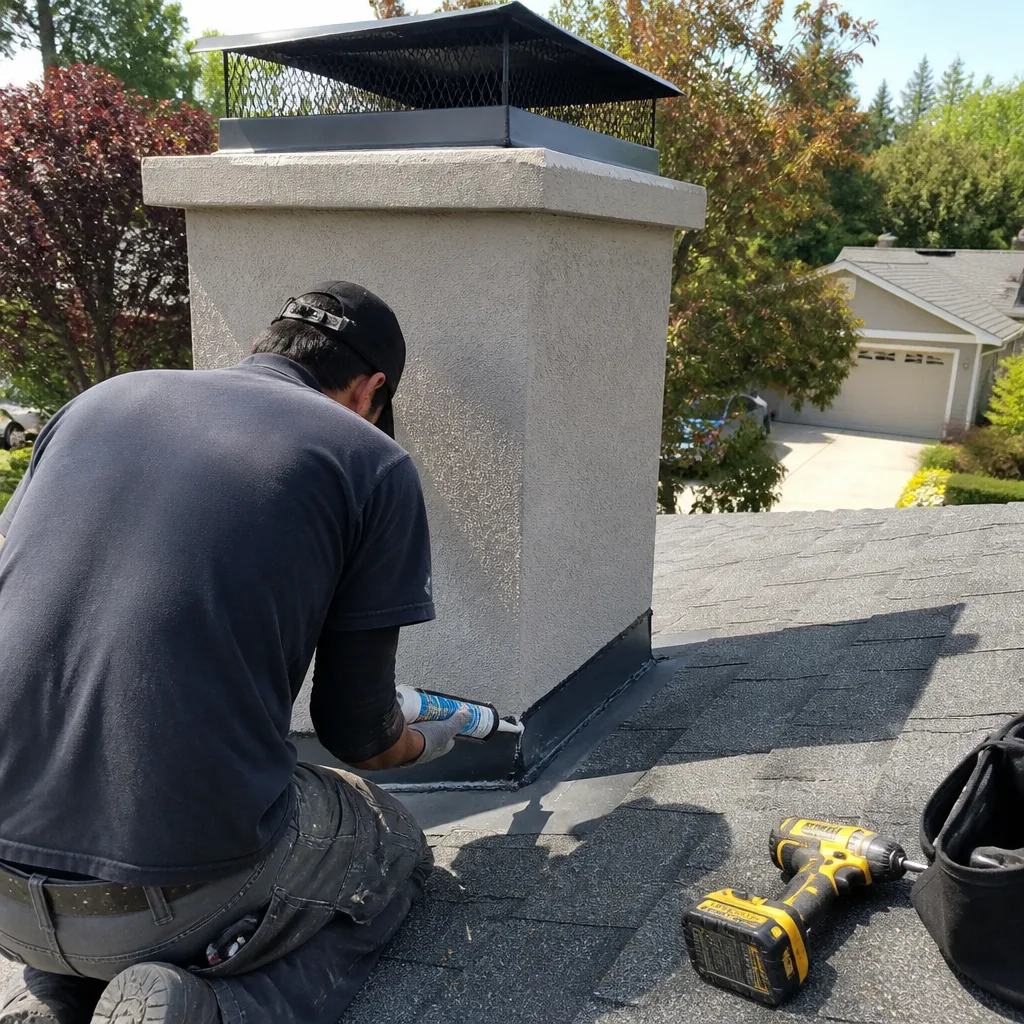 After