
Last updated November 2, 2026
 Sweep & inspection
 Caps & crowns
 Flue relining
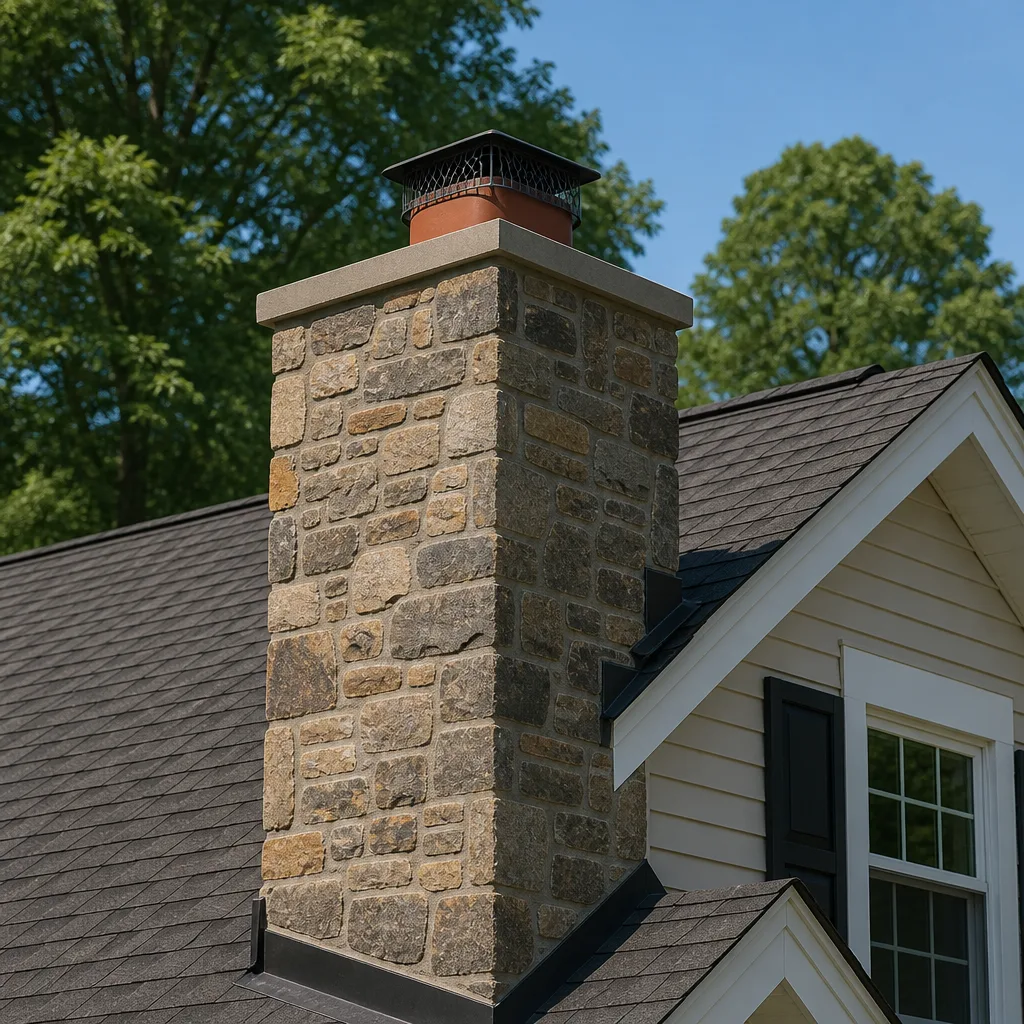 Masonry repair
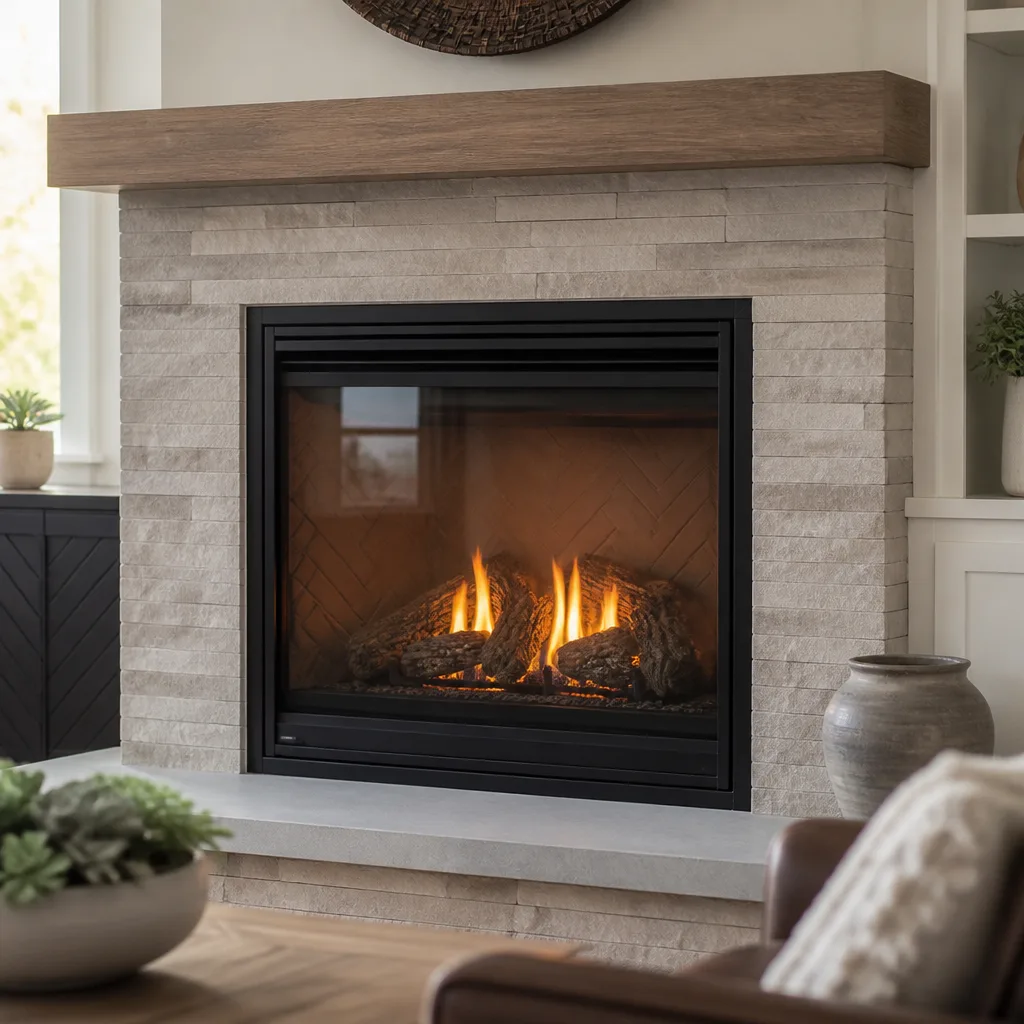 Gas fireplace service
Level 1 sweep and inspection to the NFPA 211 annual standard - flue, crown, cap, and flashing checked and photographed
Chimney sweep logs do not sweep chimneys. They loosen some creosote - which then falls where a brush and vacuum still have to collect it.
Chimney Cleaning Warning Signs: A Mountain View Homeowner’s Reference Guide
Most chimney problems don’t announce themselves with a bang. They whisper. A faint campfire smell in July. A wisp of smoke that curls into the living room on a windy night. A dryer that runs forty-five minutes instead of thirty. Here in Mountain View, where our mild climate means fireplaces sit idle for months at a stretch, these subtle signals get normalized, dismissed, and forgotten until the system is genuinely compromised. This guide is about catching the early indicators, the ones that give you time to repair rather than replace, and time to budget rather than panic. For Chimney Sweep Maintenance Checklist for Mountain View Homeowners, see our companion resource. We’ll walk through what each warning sign actually means structurally, which ones demand immediate action, and which can be addressed with a standard sweep and inspection.
Quick Answer
The most common chimney cleaning warning signs in Mountain View are a fireplace that smells like smoke or must when not in use, smoke spilling into the room on startup, white staining or efflorescence inside the firebox or on the exterior chase, and a damper that won’t hold position. Any of these indicates airflow, moisture, or structural issues that a professional cleaning and inspection will diagnose precisely, or you can consult our Chimney Sweep Troubleshooting: Common Problems and How to Fix Them for initial guidance. For dryer vents, consistently longer dry cycles and an exterior exhaust flap that barely opens are the early warnings of a lint restriction that poses a fire risk.
Table of Contents
- Draft and Pressure Warnings: What Smoke and Odor Are Telling You
- Visible Interior Signals: Efflorescence, Flaking Brick, and Smoke Staining
- Exterior Signals Any Mountain View Homeowner Can Check
- Dryer-Side Warnings That Parallel Chimney Hazards
- When to Stop Using the Fireplace Immediately vs. When to Schedule Soon
- What a Chimney Cleaning and Inspection Costs in Mountain View
- Common Mistakes to Avoid
- When to Call a Professional
- Frequently Asked Questions
Draft and Pressure Warnings: What Smoke and Odor Are Telling You
A fireplace that smells like a campfire when it’s not in use isn’t a minor nuisance. It’s air moving the wrong direction through a flue that has a draft problem, and it often means negative pressure in the house is pulling combustion byproducts back in. In Mountain View homes, particularly older ranch-style houses in the Waverly Park and Cuesta Park neighborhoods, this is one of the most common issues we diagnose. The chimney is designed to work like a straw: warm air rises, pulling smoke up and out. When that flow reverses, you get smoke and odor inside.
Here are the specific draft and pressure signals we tell homeowners to watch for:
- Smoke spillage on startup: When you first light a fire, you may notice smoke curling into the room for the first few minutes before the flue warms up and starts drawing properly. A small, brief puff can be normal on a cold chimney. But if it persists for more than a minute or two, or happens every time you light a fire, the flue is either partially blocked, undersized for the firebox, or the home is competing with the fireplace for air.
- Odor between uses: A smoke smell when no fire has burned in weeks means warm, humid outside air is moving down the flue and into the house. In Mountain View’s climate, the swing between cool coastal fog and warm inland air creates frequent pressure inversions. A damper that doesn’t seat properly or a flue that’s never been swept allows that air to carry creosote odor straight into the living room.
- Damper that won’t hold position: If the damper drifts closed or open on its own, or if the handle feels loose and vague, the linkage is worn or the damper plate itself is warped. A damper that doesn’t hold open restricts the flue and forces smoke into the room. A damper that doesn’t hold closed lets conditioned air escape year-round and invites birds, rodents, and rainwater into the firebox.
- Down-drafting on windy days: Mountain View sits close enough to the bay that wind patterns shift significantly from morning to evening. If you get smoke blowing back into the room only when the wind picks up, the flue termination may be too low, the cap may be the wrong style for your wind exposure, or the chimney may be shorter than surrounding rooflines or trees. A proper inspection can identify whether the fix is a taller flue pipe, a different cap, or something structural.
None of these problems resolves on its own. Each indicates a specific airflow or pressure issue that a Chimney Sweep in Mountain View can measure and correct. The good news is that most draft problems are repairable without major reconstruction, once they’re caught early. The bad news is that every season you live with them, creosote and moisture are accumulating in the system.
Visible Interior Signals: Efflorescence, Flaking Brick, and Smoke Staining
You don’t need to climb on the roof to see most of the early warning signs. The inside of the firebox and the area above the fireplace opening tell a clear story if you know what you’re looking at. In Mountain View homes built before 1980, the firebox and throat area are often original masonry with decades of thermal cycling behind them, and the signals tend to be consistent.
White efflorescence inside the firebox looks like a powdery white film or crust on the brick or stone. It’s not mold and it’s not ash. Efflorescence is mineral salt left behind when water evaporates from masonry. Its presence means water is getting into the chimney system somewhere, most often through a cracked crown, damaged cap, or failing flashing at the roofline. The water dissolves minerals from the mortar and the salts migrate to the surface. In a Mountain View home, where we get enough rain in winter to saturate masonry and enough dry weather in summer to cause repeated evaporation cycles, efflorescence is a reliable early signal of moisture intrusion. Left unaddressed, the same water that creates the staining will eventually freeze-expand in winter and spall the brick faces off.
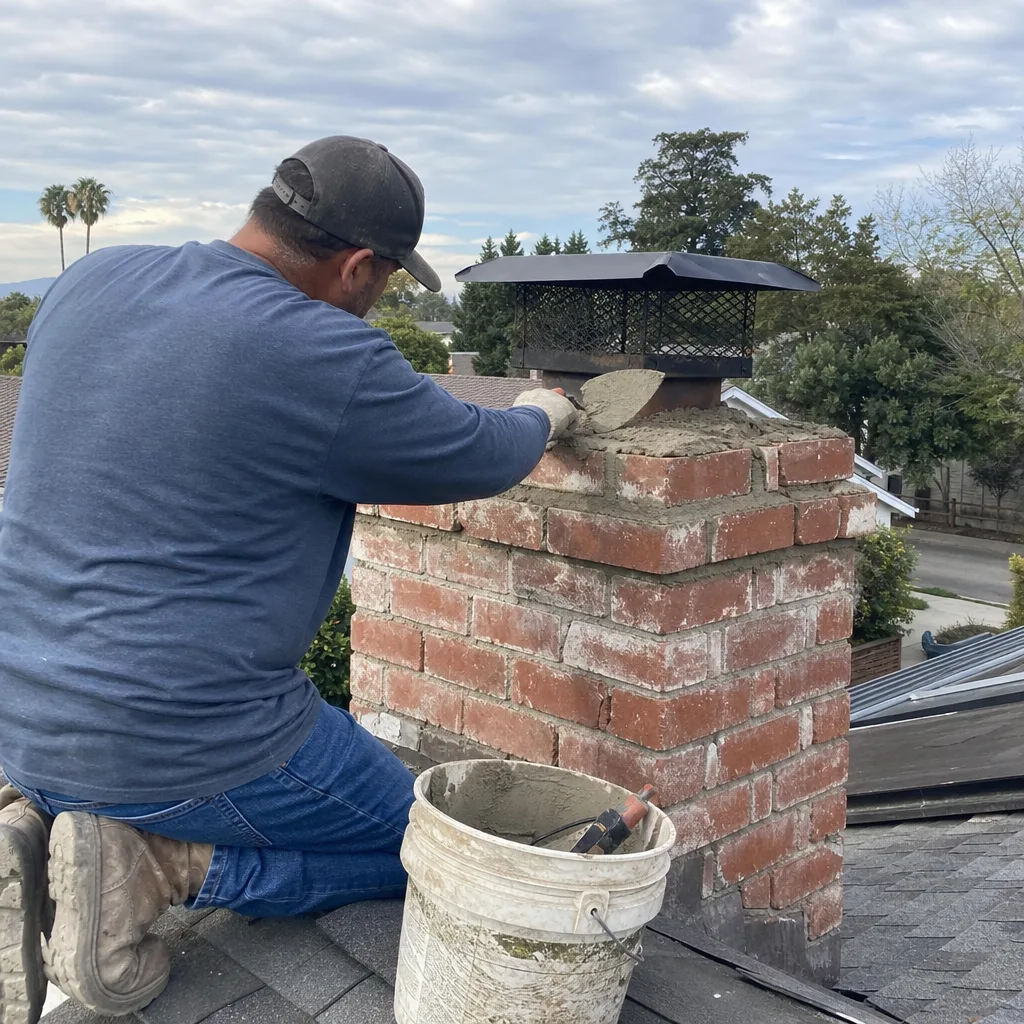
Flaking firebrick, technically called spalling, is what happens after moisture has been working on masonry for a while. The surface of the brick peels away in thin layers, or chunks crumble from the edges. You may find a reddish grit or small brick fragments on the firebox floor. Spalling firebrick means the refractory material is compromised and will need repair. This is not something a sweep alone can fix, which is why we built our Chimney Repair in Mountain View capability into the same team. When we see spalling during a standard cleaning, we can give you a repair plan without sending you to a third party.
Smoke staining above the lintel appears as a dark brown or black streak on the face of the brick or stone above the fireplace opening. It means smoke has been spilling out of the firebox and depositing creosote on the wall. Over time those deposits build up and can become a fire hazard on their own, but more importantly they tell you the flue is not venting properly. The cause is usually one or more of the following: a flue that’s undersized for a large firebox, a throat that’s been altered over the years, a damper that’s not fully operational, or a flue that’s restricted by creosote buildup or debris. A professional inspection with a camera can identify which factor or combination of factors is responsible.
Exterior Signals Any Mountain View Homeowner Can Check
The exterior of the chimney is where many of the most serious problems start, and it’s also where a careful homeowner can catch issues long before they develop into liner-level repairs. You’ll need a pair of binoculars or a good zoom lens for some of these, but nothing more exotic. We recommend Mountain View homeowners do this check once a year, in the fall before burning season begins.
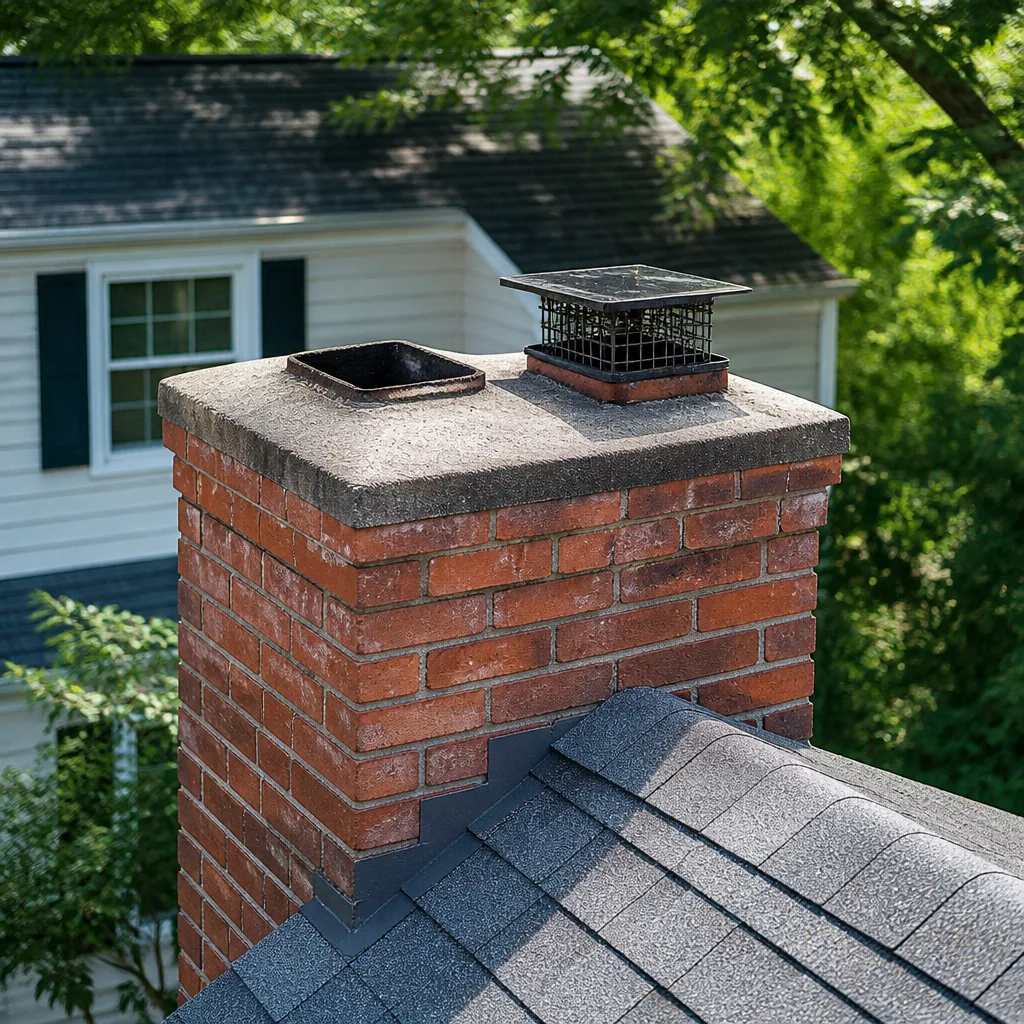
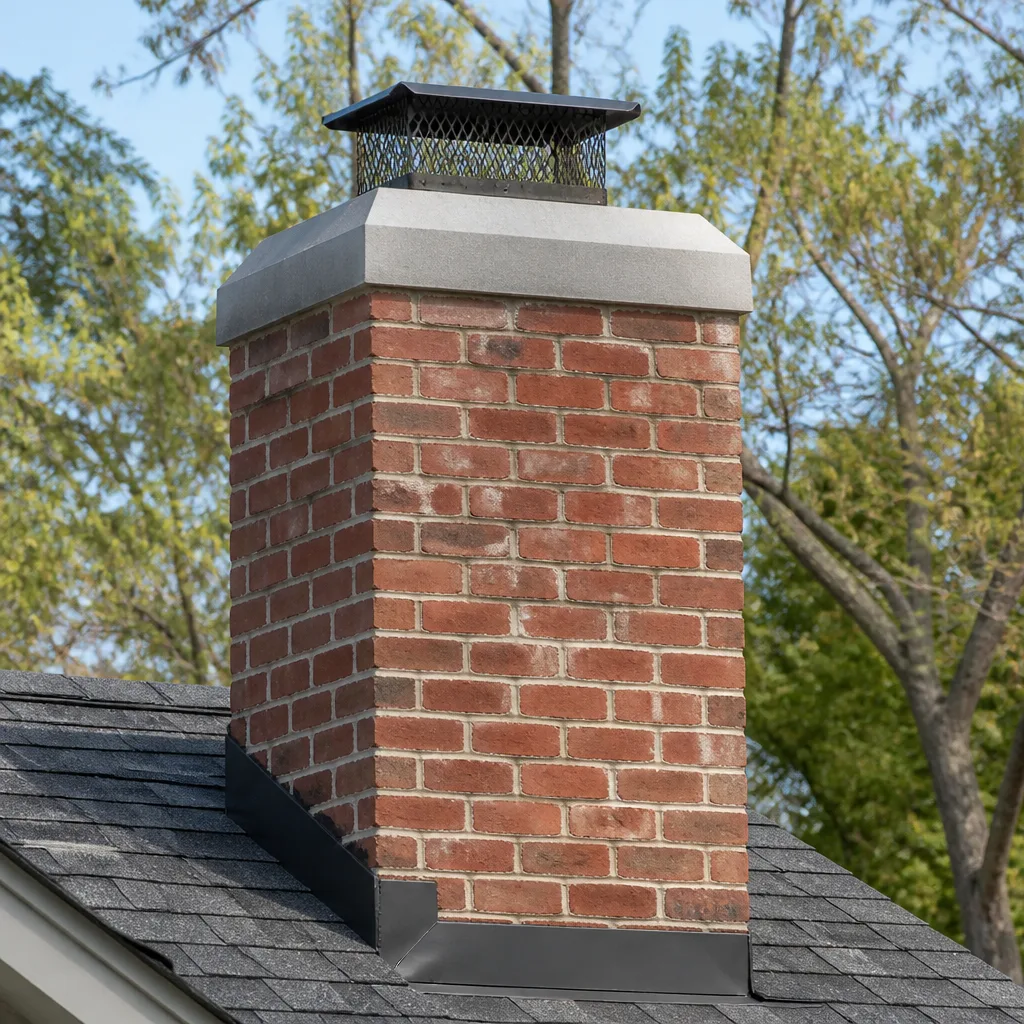
- Check the cap first. The chimney cap is the single most important exterior component for keeping water, animals, and debris out of the flue. Look for missing or lifted cap screens, a cap that’s shifted off-center, or a cap that’s simply gone. If you had a cap installed years ago and it’s now rusted through, it’s doing nothing. A missing or damaged cap makes every other problem in this guide more likely.
- Look at the crown. The crown is the concrete or mortar slab that seals the top of the chimney structure around the flue tiles. It should be smooth and continuous, with no visible cracks wider than a pencil line. In Mountain View’s climate, exposure to sun, rain, and the occasional freeze-thaw cycle in the hills creates the classic hairline cracks that become major water pathways within a few seasons. Cracked crowns are one of the most common sources of the efflorescence and spalling discussed above.
- Inspect the flashing at the roofline. Flashing is the metal that seals the joint between the chimney and the roof. If the flashing has pulled away from the roof deck, is rusted through, or shows signs of caulk or tar patches from previous quick fixes, water is getting into the roof structure and the chimney chase. This affects not just the chimney but the framing around it.
- Look for white staining on the chase. A chase is the framed, sided enclosure that surrounds a factory-built or prefab chimney. White staining on the siding of the chase, or on the brick of a masonry chimney, is mineral deposits from water that has passed through or around the chimney. It tells you the water management system, cap, crown, flashing, or siding around the chimney, has failed.
All four of these conditions are repairable. Some, like a new cap or flashing, are straightforward and relatively inexpensive. Others, like a rebuilt crown, are more involved. But they all share the same trajectory: water entering at the top works its way down into the flue, the smoke chamber, the firebox, and eventually into the structure of the house. The earlier you catch them, the less invasive the fix.
Dryer-Side Warnings That Parallel Chimney Hazards
If you’ve read this far, you’ve noticed a theme: small airflow restrictions and small water intrusions become big problems when they go unaddressed. The same logic applies to your dryer vent, which is why we handle Dryer Vent Cleaning in Mountain View as a core service alongside chimney work. The physics are nearly identical to a chimney. A dryer pushes hot, moist, lint-laden air through a duct. When that duct is restricted, the dryer works harder, the air stays hotter, and the lint, which is highly combustible, accumulates in the presence of heat.
Here are the parallel warning signs:
- Longer-than-normal dry cycles: If a load of towels that used to dry in thirty minutes now takes fifty, the airflow through the vent is restricted. The dryer is still producing the same heat; it’s just not being exhausted efficiently. This is the single most reliable early indicator of a vent that needs cleaning.
- Exterior exhaust flap not opening: Stand outside where your dryer vents and have someone run the dryer. The flap should open fully and stay open while the dryer is running. If it barely flutters, or if you feel only a weak stream of air, the duct has a restriction. Often it’s a partial clog of lint at the wall cap or at a bend in the duct, and those are precisely the choke points where dryer fires start.
- Burning smell from the dryer: This is one of the few dryer-side signals that requires immediate action. A burning odor means lint is being heated to the point of thermal degradation, or the dryer’s internal airflow is so restricted that the motor or heating element is overheating. Stop using the dryer and have the vent inspected and cleaned before running another load.
- The laundry room gets warm or humid while the dryer runs: This means the duct is leaking or disconnected, and hot, moist air is being dumped into the house instead of outside. It’s less of a fire risk than a blocked vent, but it introduces moisture into wall cavities and crawl spaces, which in Mountain View’s climate can lead to mold growth you won’t notice until it’s extensive.
Chimney and dryer vent issues often coexist in the same houses. Older Mountain View homes with long, enclosed duct runs, or with laundry closets near the center of the house, tend to accumulate lint faster than short, straight runs. Since we’re already at the house for one system, checking the other is a natural step. It’s the reason we built our service around doing both. Your dryer vent is a fire risk too, and one appointment covers it.
When to Stop Using the Fireplace Immediately vs. When to Schedule Soon
Every warning sign in this guide falls into one of two categories: stop-use or schedule-soon. The distinction matters because homeowners often respond to serious problems by thinking they’ll get one more season out of the fireplace. Here’s the simple threshold system we use with our customers.
Stop using the fireplace immediately and call for an inspection if:
- You smell smoke inside the house when no fire is burning, especially if the smell is accompanied by a visible haze or you smell it in bedrooms on a different floor.
- Smoke visibly billows into the room during normal use, even after the flue has warmed up.
- You see or smell water inside the firebox, or notice damp spots on the ceiling or walls adjacent to the chimney after rain.
- You hear animal activity, scratching, chirping, or rustling in the chimney. Birds and squirrels nest in flues during spring in Mountain View, and a fire with a nest above the damper is a direct fire hazard.
- You notice a burning smell from your dryer, or the dryer or wall near the vent becomes hot to the touch.
Schedule an inspection and cleaning soon, while you can still use the fireplace with some caution, if:
- You have a mild campfire odor in the room with the fireplace during humid or windy weather but no visible smoke.
- You see early efflorescence or minor smoke staining above the lintel, but the fireplace burns cleanly.
- The damper is hard to operate or drifts slightly, but you can still get it to hold open and closed.
- You’ve used the fireplace regularly for more than three years without having it swept. The National Fire Protection Association standard recommends a sweep when creosote reaches 1/8 inch, which is not something you can measure yourself.
- Your dryer cycles are running longer but the exhaust flap still opens fully.
The honest guidance we give Mountain View homeowners is this: if a warning sign is bad enough that you’re asking yourself whether it’s serious, it’s worth a phone call. An inspection is not a commitment to repair. It’s information.
What a Chimney Cleaning and Inspection Costs in Mountain View
Chimney cleaning prices in Mountain View typically run between $180 and $350 for a standard open-fireplace sweep and inspection, assuming no major repairs are needed. For help selecting a provider, see our Choosing the Right Chimney Cleaning Brand: A Buyer’s Guide for Mountain View. The range reflects a few factors: whether the flue is masonry or factory-built, how many stories the chimney rises, and how much creosote and debris has accumulated. Dryer vent cleaning in the same service area typically runs $100 to $180 depending on the duct length and configuration. If you’re doing both in one appointment, expect the combined cost to be lower than booking them separately, which is one of the reasons we schedule them together.
If the inspection reveals repair work, the cost picture broadens significantly. Here’s a useful reference table based on the work we commonly quote in this market:
| Repair Type | Typical Range in Mountain View |
|---|---|
| Chimney cap replacement (standard stainless) | $150 – $400 installed |
| Custom cap for wind or animal issues | $350 – $700 installed |
| Crown repair (resurfacing or sealing) | $350 – $900 |
| Flashing repair or replacement | $400 – $1,100 |
| Firebox repair (partial, common spalling) | $600 – $1,800 |
| Chimney liner resurfacing (HeatShield or similar) | $2,500 – $5,500 |
| Full liner replacement (stainless, including DuraFlex) | $3,500 – $8,000+ |
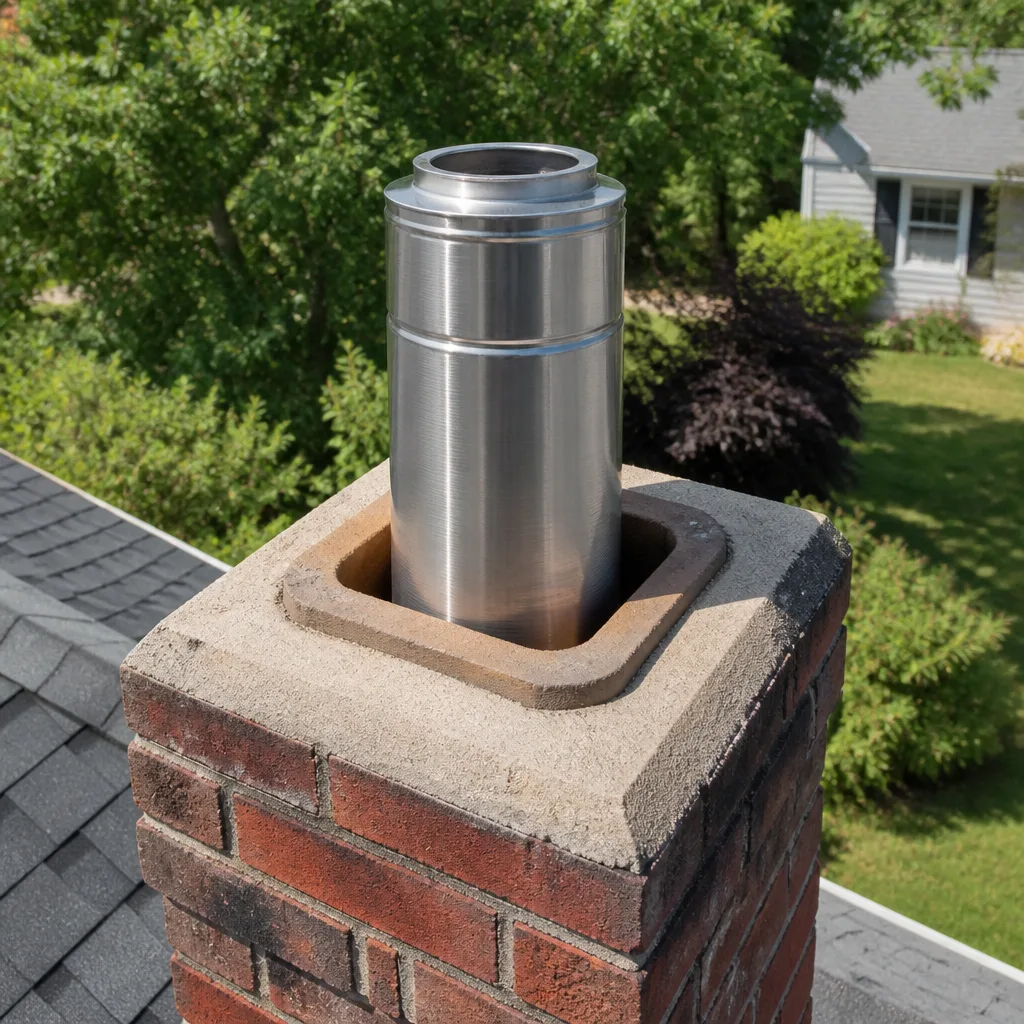
These ranges are specific to the Peninsula market and reflect the cost of doing this work correctly, with the right materials, in a region where labor rates and material costs run high. HeatShield resurfacing, for example, is a viable alternative to full relining in many cases and preserves existing flue tiles by coating them with a structural ceramic material. It’s a repair option we’re certified to perform, and it often saves homeowners thousands compared to a full liner replacement. For flues with irregular dimensions or offset configurations, a DuraFlex liner system allows a custom-fit stainless liner to be installed without demo work. Knowing these options exist, and having a contractor who can discuss them honestly rather than defaulting to the most expensive fix, changes the entire repair conversation.
Common Mistakes to Avoid
- Ignoring a mild smoke smell because the fireplace “still works fine.” The smell is the early signal. By the time the fireplace stops working, you’ve lost the opportunity for a low-cost fix.
- Using creosote-sweeping logs as a replacement for professional cleaning. These products can loosen some creosote, but they don’t remove it from the system, and they give homeowners a false sense of security that delays a real sweep.
- Fixing a draft problem with an open window as a “solution.” Opening a window can temporarily help smoke draw up the flue, but it masks the underlying airflow problem rather than fixing it. The negative pressure issue remains, and it affects your indoor air quality in ways you can’t see.
- Waiting until fall to schedule an inspection. In Mountain View, the late-September and October window is when every homeowner thinks about their fireplace for the first time in months. Booking a mid-season or early-fall appointment means less scheduling pressure and a better chance of catching problems before burning season begins.
- Assuming a dryer vent only needs attention when the dryer stops working. By that point, the system has been running inefficiently and potentially unsafely for months. The longer-dry-cycle signal is your early warning and it shows up long before a full clog.
- Patching visible chimney problems from the inside without addressing the roof-level cause. A homeowner can scrub efflorescence off the firebox bricks, but the water is still entering at the crown or flashing. Without fixing the source, the staining returns and the masonry keeps degrading.
- Choosing a contractor based on price alone when the scope of work includes liner or structural repair. The difference between a repair that lasts fifteen years and one that fails in three is usually the materials and the training of the person installing them. Product lines like DuraFlex, Gelco, and Copperfield exist because chimney work requires engineered components, not generic substitutes.
When to Call a Professional
A chimney inspection is the right call the first time you notice any of the warning signs in this guide, and it’s also the right call if it’s simply been more than two or three years since your last one. The specific scenarios that justify a call today: a fireplace odor that persists when the fireplace is cold, smoke spilling into the room at startup, water or efflorescence in the firebox, a cap that’s visibly damaged or missing, a dryer that’s been running longer than it used to, or any animal activity in the flue. The common thread is that these are all conditions that get worse, not better, with time. A camera inspection will show you exactly what’s happening inside your flue, and a good contractor will show you the footage rather than asking you to take a recommendation on faith. Chimney Sweep Mountain View offers free estimates in Mountain View and performs the sweep, the inspection, and any needed repair with the same crew. Call (866) 596-8327 to schedule.
Frequently Asked Questions
A chimney needs cleaning when creosote buildup reaches 1/8 inch, when you notice a campfire smell indoors when the fireplace isn’t in use, when smoke spills into the room on startup, or when it’s been more than two to three years since the last sweep. You can’t reliably measure creosote yourself, so the practical rule is to have an inspection after every cord of wood burned, which for most Mountain View homeowners means once every one to two years.
A chimney fire often smells like a hot, acrid, chemical odor, sometimes compared to burning plastic or a very intense campfire, and it’s typically accompanied by a loud roaring or rumbling sound from the flue. If you suspect a chimney fire at any point, call the fire department first, then have the chimney inspected before any further use. The good news is that most of the warning signs in this guide appear long before a chimney fire becomes likely.
A standard chimney sweep in Mountain View typically costs between $180 and $350, including the inspection and cleanup. Dryer vent cleaning runs $100 to $180. The combined service, which many homeowners book since the crew is already at the house, is usually priced below the sum of the two individual services. Call (866) 596-8327 for an exact quote and a free estimate.
That depends on the condition of the existing liner, which can only be determined by a camera inspection. Many liners with minor cracking or gaps can be resurfaced with a HeatShield application rather than fully replaced, preserving the existing flue and saving thousands of dollars. If the liner is collapsed, severely damaged, or improperly sized, a full replacement with a DuraFlex system or similar is the correct fix. No one should recommend a liner replacement without showing you the camera footage that justifies it.
For a wood-burning fireplace used regularly during winter, a sweep every one to two years is standard. For a fireplace used only occasionally, every two to three years is reasonable, provided you have an inspection each year. Gas fireplaces still need annual inspections to check the venting, but they don’t produce creosote and don’t require sweeping in the traditional sense.
Creosote accumulates in the flue, restricting airflow and creating the conditions for a chimney fire. Moisture that would have been caught by a cap or crown repair continues to enter the masonry, accelerating spalling and liner damage. The cost of a neglected system compounds: what might have been a $250 sweep and a $400 cap becomes a $6,000 liner replacement and significant masonry work. The systems don’t fail gracefully; they fail expensively and sometimes dangerously.
The Bottom Line
Chimney warning signs are early, subtle, and easy to dismiss. They’re the smell that’s been there for two winters, the damp patch you meant to check, the dryer that’s been taking a little longer every month. But each one has a specific structural meaning, and each one is more affordable to address today than it will be next year. If you’ve read through this guide and recognized any of the signals, explore our more guides & resources, or take the next straightforward step: call a contractor who can inspect, clean, and repair all three systems, chimney, dryer vent, and liner, in one appointment. Call (866) 596-8327 and we’ll take a look.
Written by the team at Chimney Sweep Mountain View, serving Mountain View since 2015.
Styles & brands we work with
- Sweep & inspection
- Caps & crowns
- Flue relining
- Masonry repair
- Gas fireplace service
See the difference
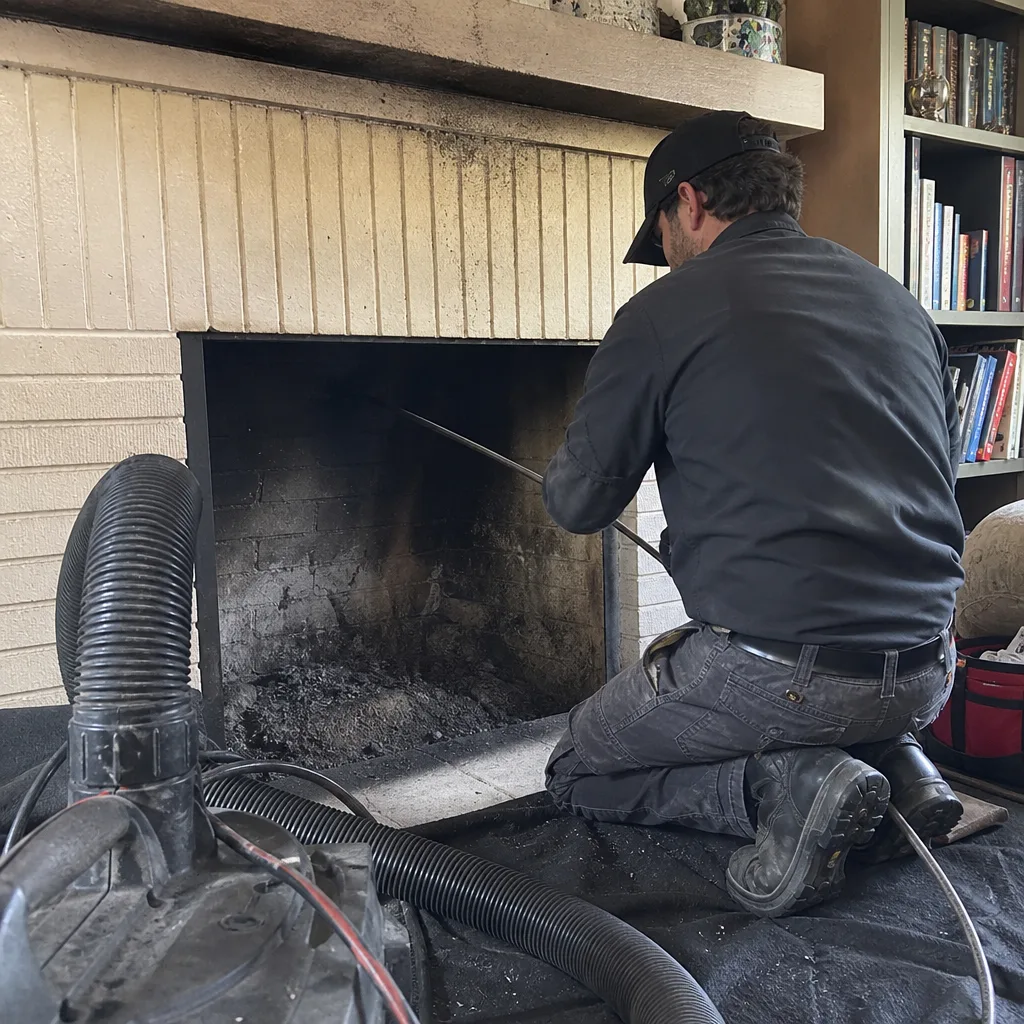 Before
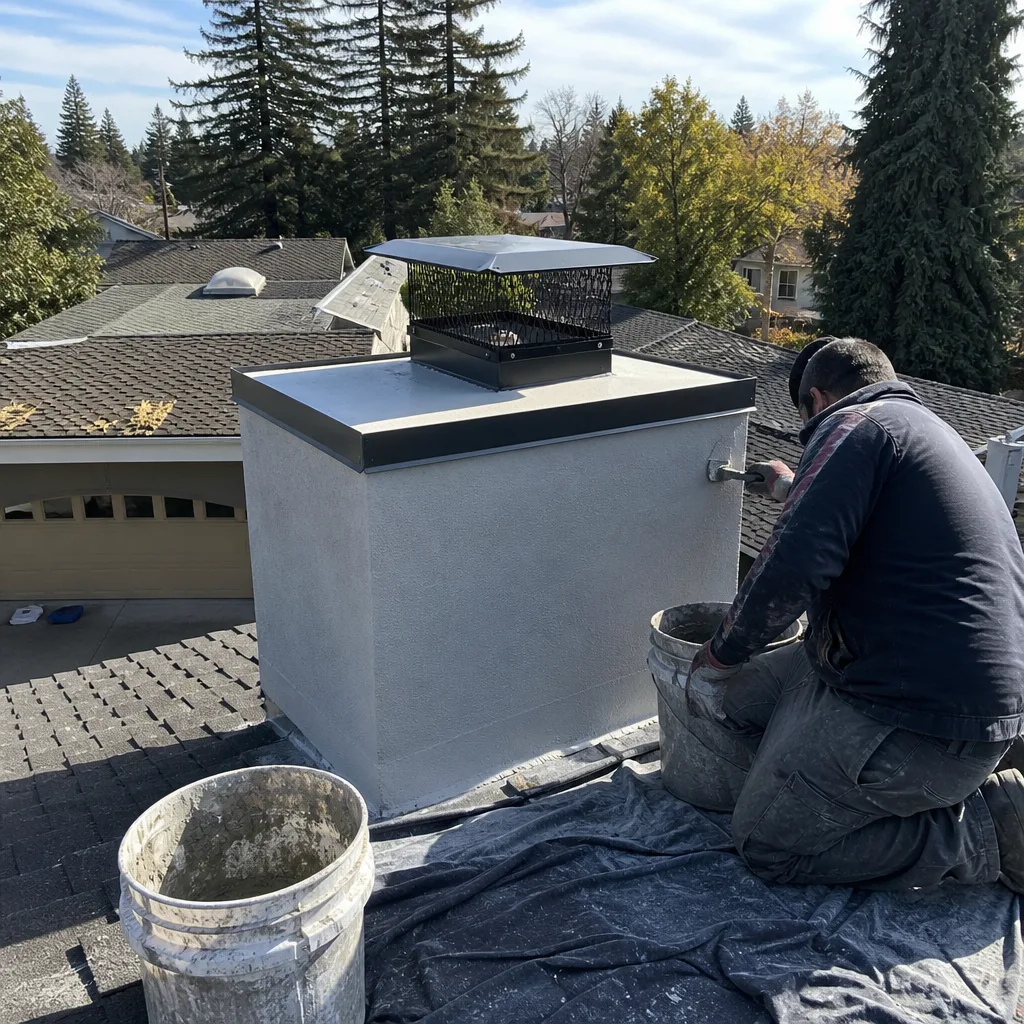 After
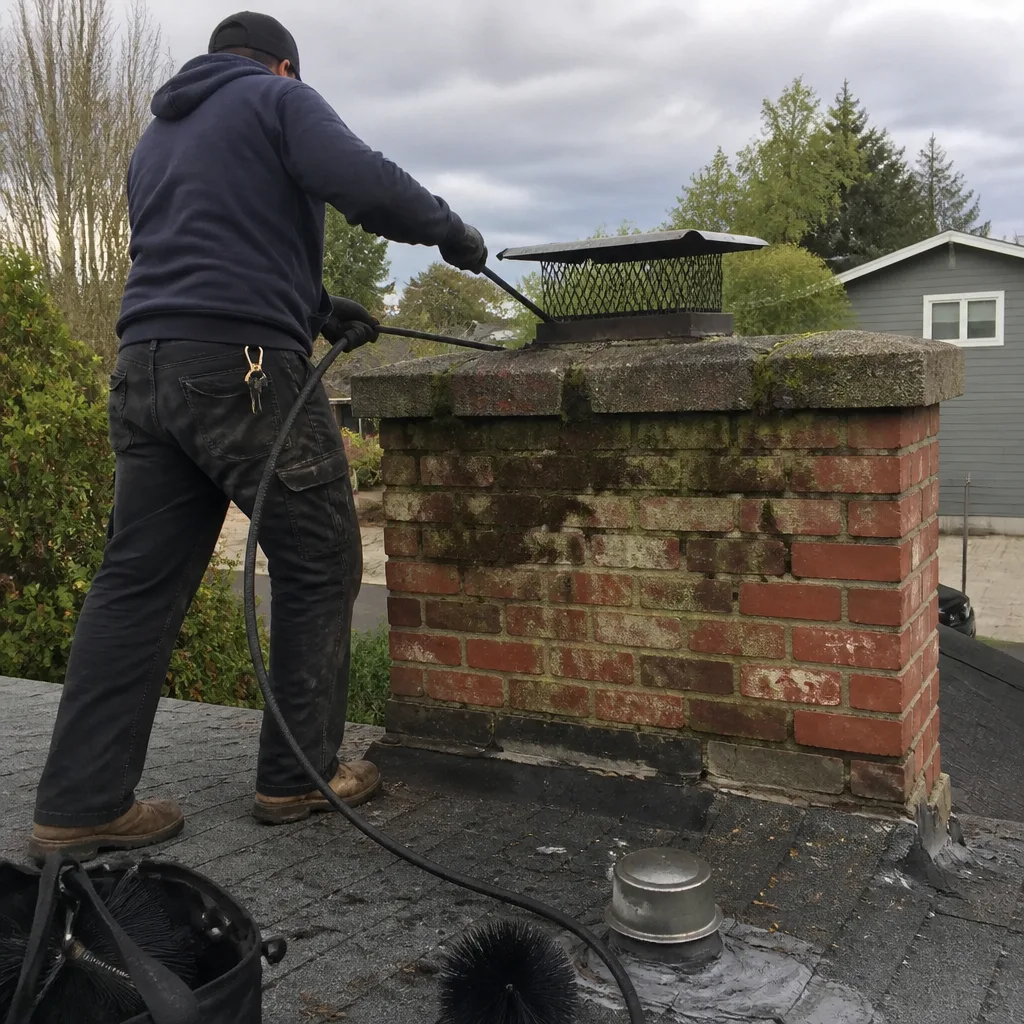 Before
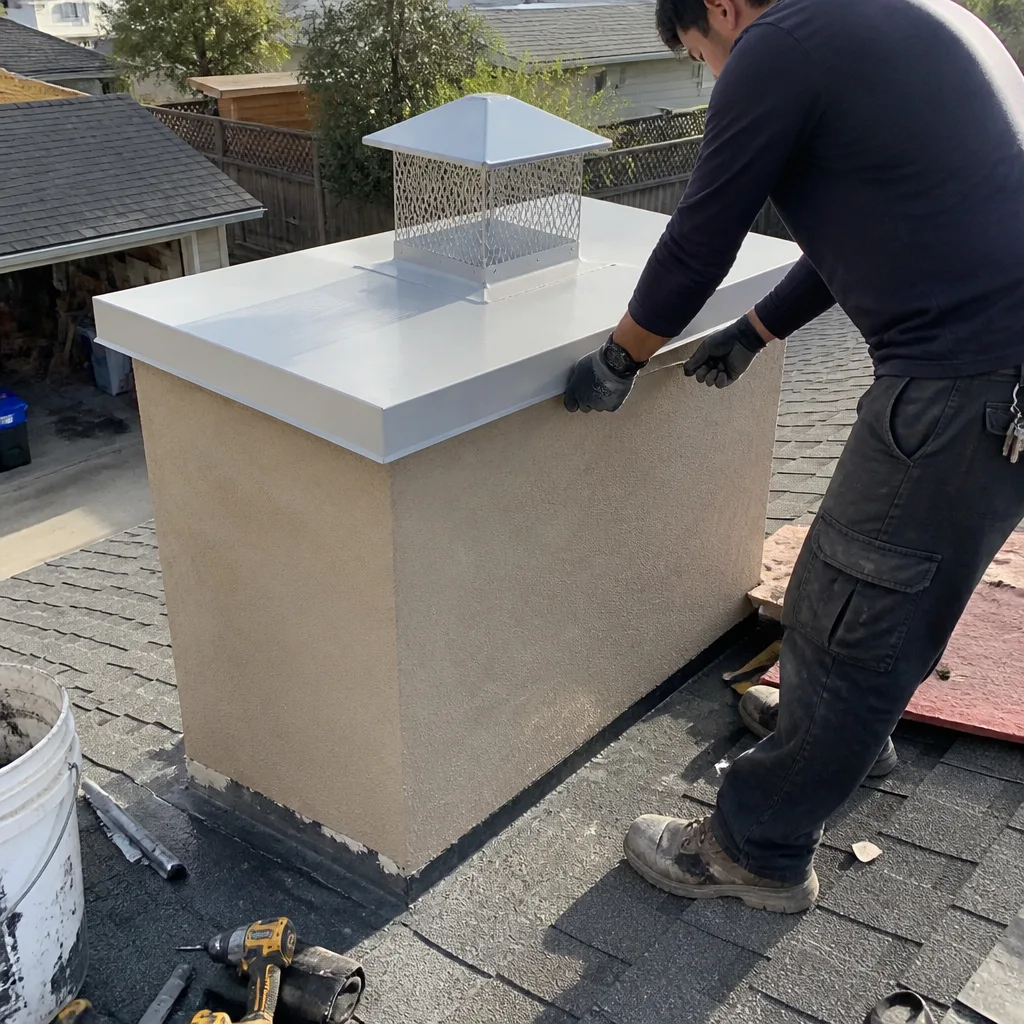 After
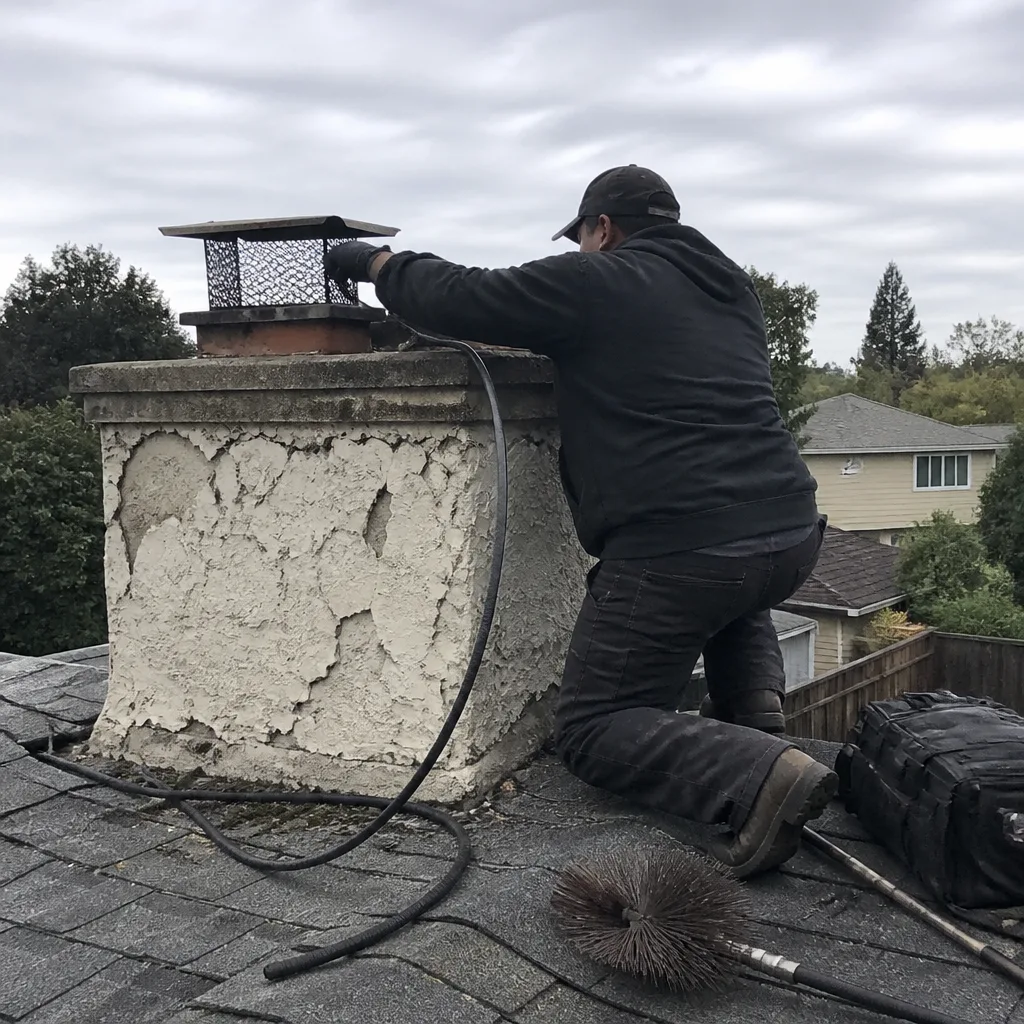 Before
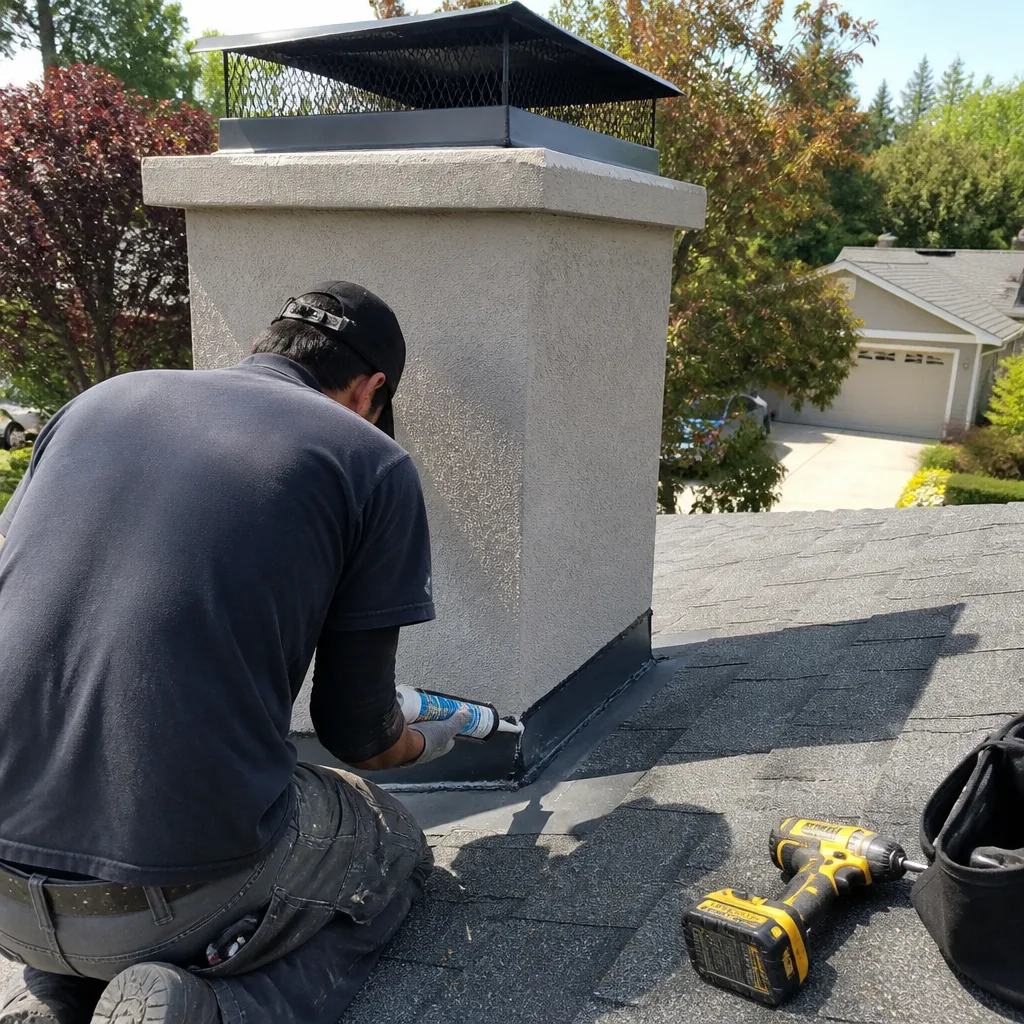 After