
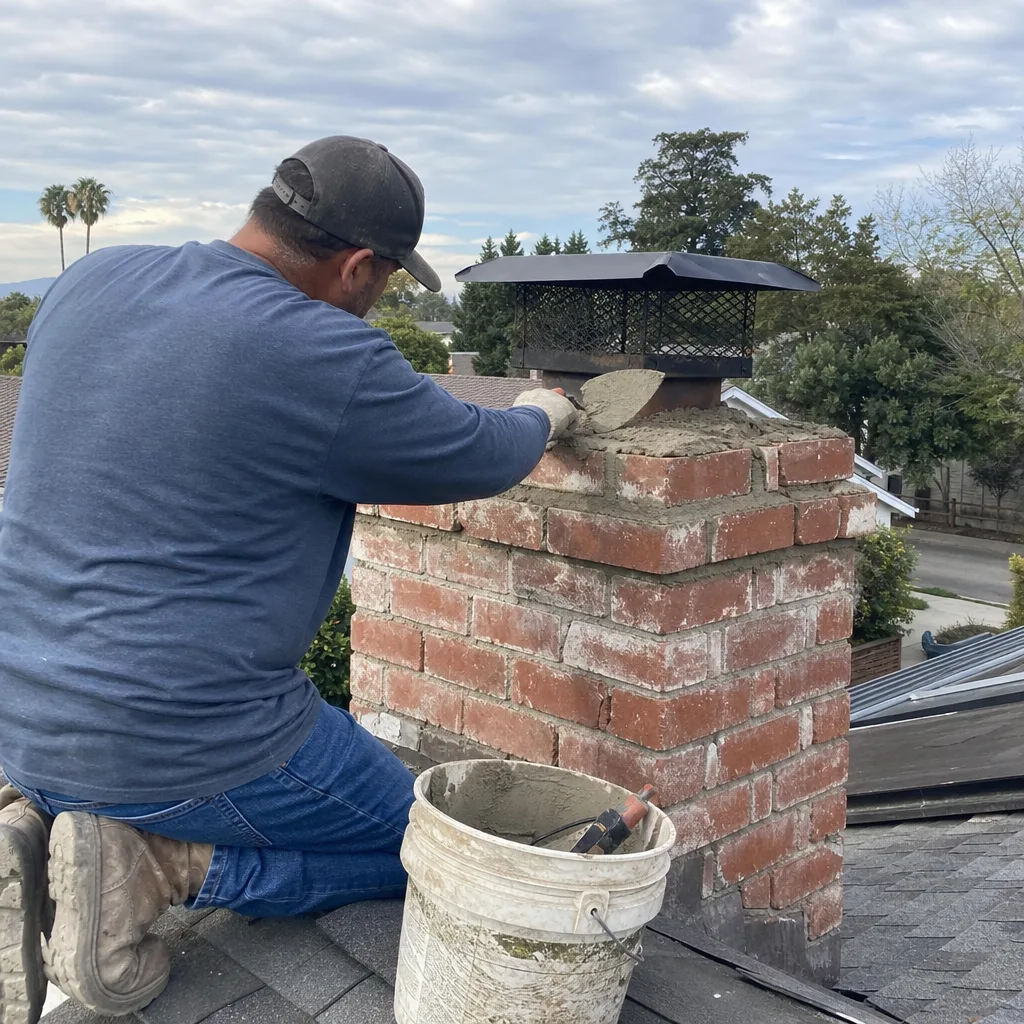
Last updated November 2, 2026
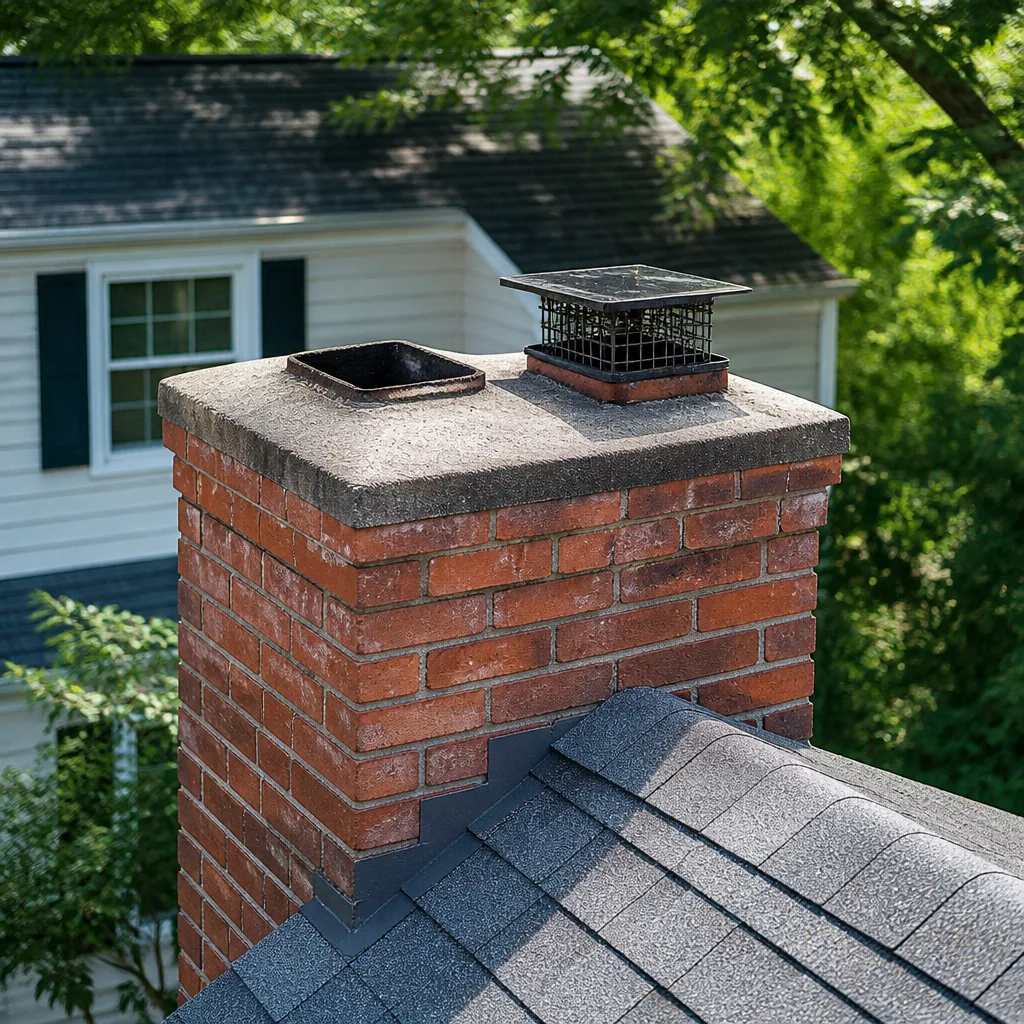 Sweep & inspection
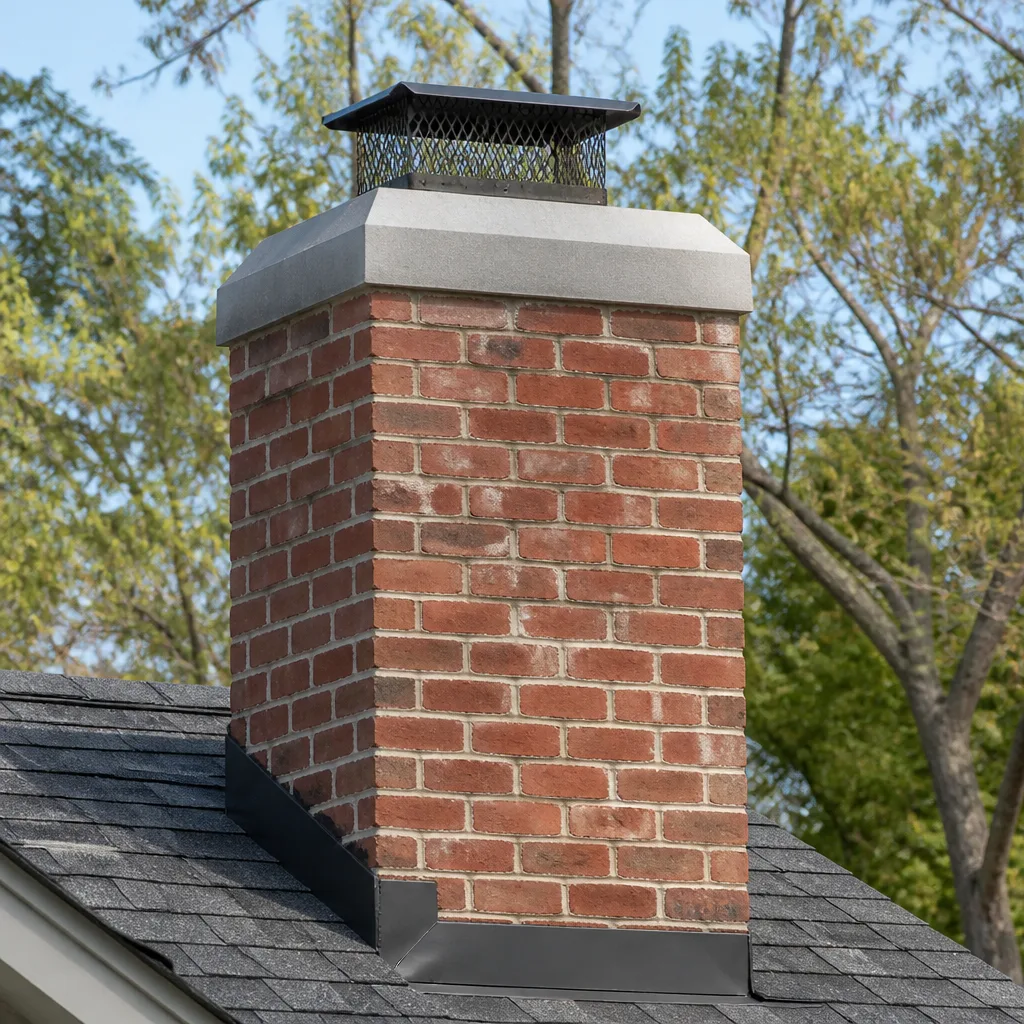 Caps & crowns
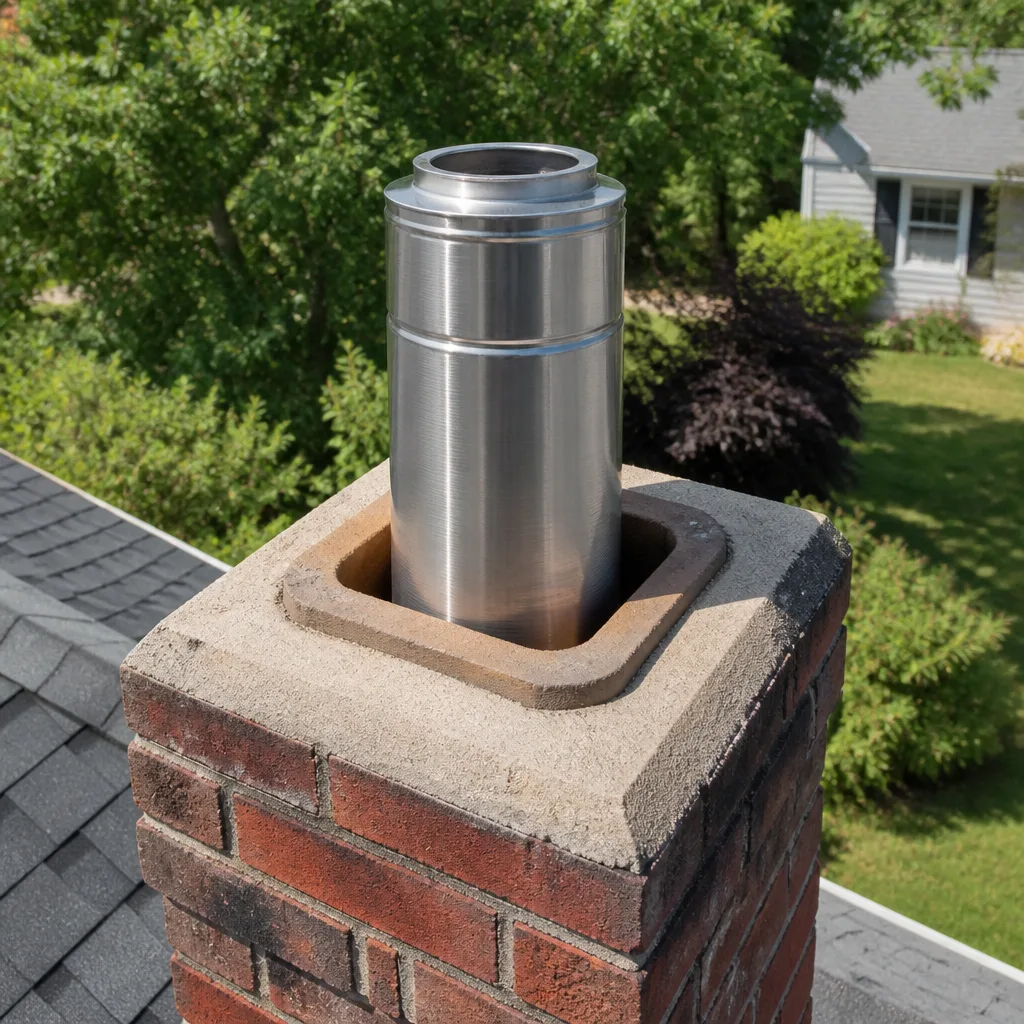 Flue relining
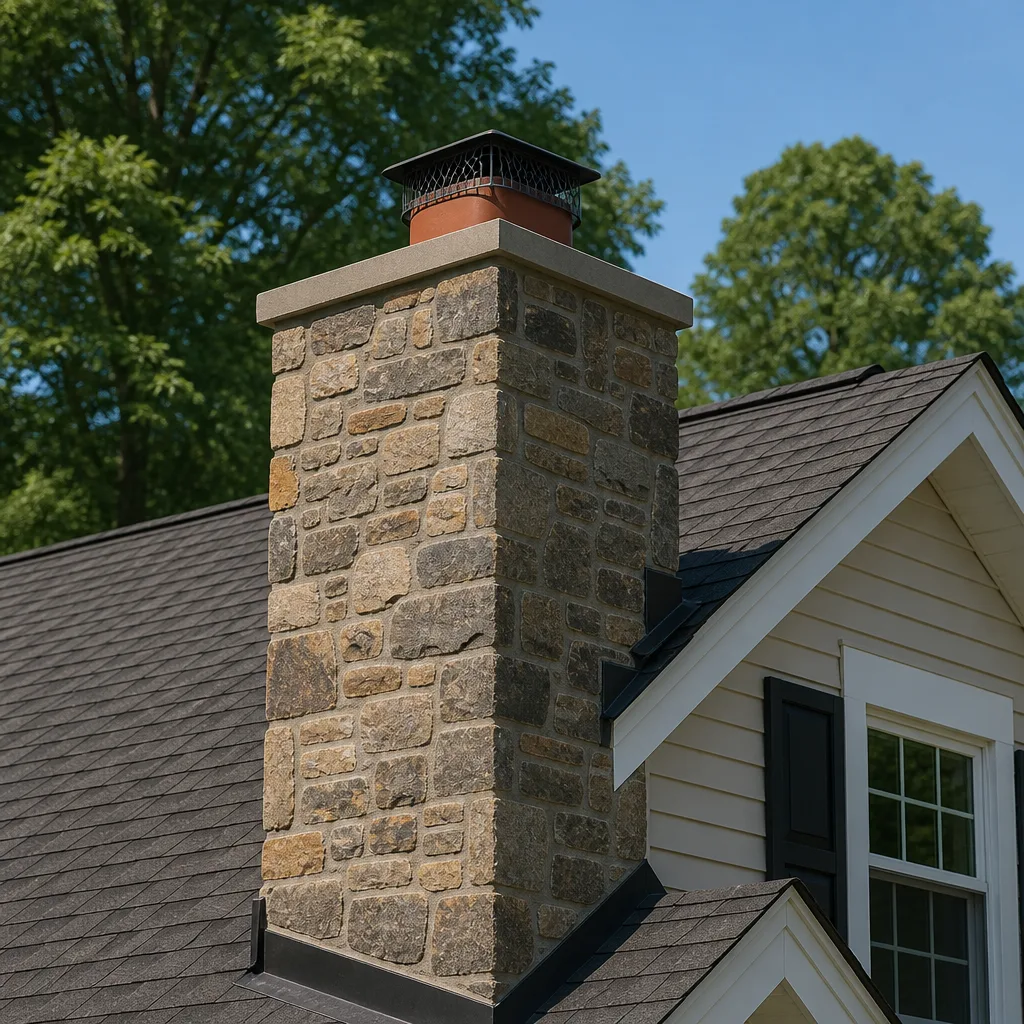 Masonry repair
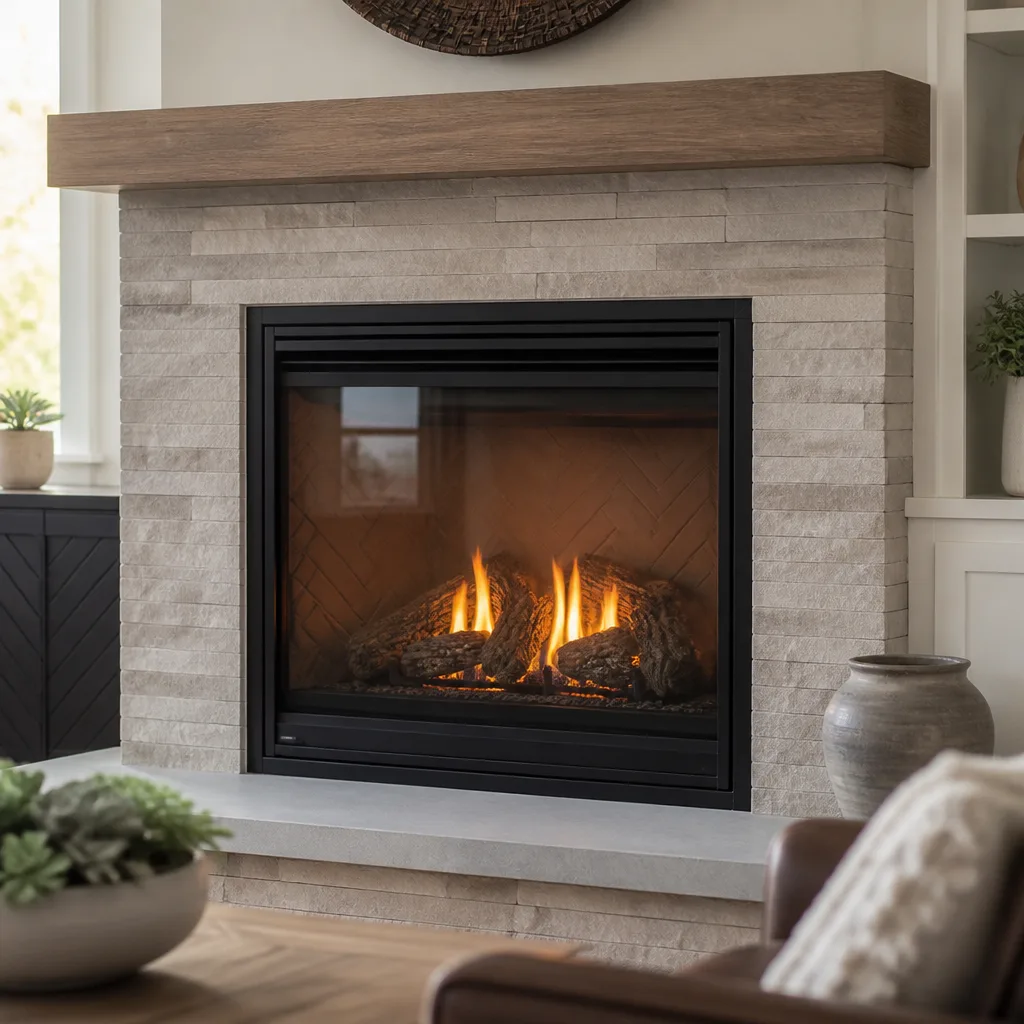 Gas fireplace service
Level 1 sweep and inspection to the NFPA 211 annual standard - flue, crown, cap, and flashing checked and photographed
Chimney sweep logs do not sweep chimneys. They loosen some creosote - which then falls where a brush and vacuum still have to collect it.
Chimney Cleaning Emergency Preparedness Guide for Mountain View Homes
A chimney fire doesn’t always roar. The slow-burning kind smolders at lower temperatures, produces no visible flame from outside the house, and can crack a flue liner while you’re watching television in the next room. By the time anyone notices, combustion gases may already be moving through the masonry and into living spaces. This guide is built for Mountain View homeowners who want a single framework that covers both sides of the equation: what to do in the first sixty seconds of a chimney or venting emergency, and what to do in the weeks and months before so that emergency never happens. You’ll learn the warning signs most guides skip, the exact sequence of actions during an active event, the post-fire protocol that determines whether your fireplace is usable again, and the maintenance schedule that makes the whole conversation academic. If you live in an older Mountain View home with a wood-burning fireplace or a gas appliance venting through masonry, what follows is written for you.
Styles & brands we work with
- Sweep & inspection
- Caps & crowns
- Flue relining
- Masonry repair
- Gas fireplace service
Quick Answer
Chimney emergency preparedness in Mountain View means maintaining a clean, structurally sound flue before burning season and knowing the immediate response sequence if a fire or carbon monoxide event occurs. The core response during an active chimney fire is: close the damper if you can do so safely, evacuate everyone, and call 911 from outside. After any chimney fire, the fireplace is off-limits until a Level 2 inspection confirms the liner is intact, because hidden cracks are how the next, far more dangerous event begins.
Table of Contents
- How to Identify an Active Chimney Fire
- The Correct Immediate Response Sequence
- Carbon Monoxide and Chimney Venting
- Post-Fire Protocol: Level 2 Inspection and Liner Integrity
- Dryer Vent Fire Risk: The Parallel Emergency
- What to Keep on Hand in a Mountain View Home
- Mountain View-Specific Preparedness Factors
- Common Mistakes to Avoid
- When to Call a Professional
- Frequently Asked Questions
- The Bottom Line
How to Identify an Active Chimney Fire
Chimney fires come in two forms, and the dangerous one is the one you won’t see. A free-burning chimney fire is hard to miss: it sounds like a freight train or a low-flying jet, produces visible flames shooting from the chimney top, and may send dense smoke and burning creosote flakes onto the roof. These events are violent and self-evident. What concerns us more in Mountain View homes is the slow-burning chimney fire. These burn at temperatures between 500°F and 1,000°F, well below the dramatic range, and often produce no exterior flame at all. What they do produce is damage: cracked flue tiles, warped metal liners, and compromised mortar joints. The signs are subtle and cumulative.
Listen for a popping or crackling sound inside the chimney, distinct from normal firewood noise. Watch for a dense, acrid smoke with an oily smell that hangs low rather than rising cleanly. Check for dark, puffy creosote deposits flaking from the chimney interior after burning. Inspect the exterior masonry for cracks, efflorescence (white mineral staining), or sections that feel noticeably hotter than surrounding brick during a fire. Inside the home, you may notice a smoky odor that persists even when the fireplace is cold. Any single sign warrants a professional inspection. Three of them together means stop using the fireplace and call a sweep.
Creosote itself is the fuel. It forms when wood smoke condenses on a cool flue surface, and it accumulates in three stages: a flaky first-stage deposit, a tar-like second stage that requires mechanical removal, and a glazed third stage that looks like burnt caramel and burns fiercely once lit. The average Mountain View homeowner burning oak or almond firewood a few nights per week through winter will build enough second-stage creosote by March to fuel a slow chimney fire. The fire triangle needs fuel, oxygen, and heat. A dirty chimney supplies all three.
The Correct Immediate Response Sequence
If you believe a chimney fire is active, what you do in the first sixty seconds matters. What you don’t do matters just as much. The sequence below is consistent with guidance from the Chimney Safety Institute of America and the National Fire Protection Association. Print it or screenshot it. Emergency memory fails when adrenaline spikes.
- Close the damper if you can reach it safely. This reduces the oxygen supply to the fire. But this only applies if the damper handle is accessible without reaching over or into flames. If there is any risk of burning yourself, skip this step.
- Close the fireplace doors or glass screen if your unit has them. This further starves the fire of air.
- Evacuate everyone from the home immediately. Do not search for pets if it delays your exit. Do not collect belongings. Get out.
- Call 911 from outside. Use a cell phone or a neighbor’s phone. Tell the dispatcher you have an active chimney fire, give the address, and state whether everyone is out of the house.
- Do not re-enter until the fire department tells you it is safe. Chimney fires can smolder inside masonry for hours after visible flames are gone.
- After the event, do not use the fireplace again. Not once. Not “just to test it.” A chimney fire changes the structural integrity of the flue, and the only way to know whether it’s safe is a Level 2 inspection.
We want to be clear about the wrong actions, because they’re common and they make things worse. Do not pour water on the fire from inside. Water hitting a hot chimney fire turns to steam suddenly, and the thermal shock can crack flue liners and masonry. Do not try to extinguish the fire with sand, flour, baking soda, or anything carried from the kitchen. These are not chimney fire suppressants regardless of what you’ve read. Do not close the damper and go back to watching television, assuming the fire will burn itself out. It might, but the heat it produces before it does is what destroys the liner. Do not call a chimney sweep before calling 911. A sweep can’t put out an active fire. The fire department does that. The sweep comes after.
From our experience in older Mountain View neighborhoods like Old Mountain View and Cuesta Park, many chimneys date from the 1950s and 1960s. These are masonry chimneys with terra cotta tile liners, and terra cotta is the material least tolerant of thermal shock or sustained high heat. A chimney fire in a 60-year-old terra cotta liner is significantly more likely to crack it than the same event in a modern stainless liner. The age of the chimney changes the urgency of the post-fire response.
Carbon Monoxide and Chimney Venting
Carbon monoxide is the emergency you can’t hear, see, or smell, and it’s the one most tied to chimney condition. CO forms when any fuel burns incompletely. In a properly vented fireplace or gas appliance, combustion gases including CO move up the flue and exit above the roof. In a blocked, cracked, or improperly sized flue, those gases can spill back into the living space. A slow chimney fire can crack the liner that was supposed to keep those gases contained. So can decades of moisture damage, freeze-thaw cycling, and simple age.
The NFPA and California code both address CO detector placement, but the requirement and the recommendation differ in ways that matter. California law (SB 183, effective 2011) requires a CO detector installed outside each sleeping area in all single-family homes with a fossil fuel-burning appliance, a fireplace, or an attached garage. The law sets the floor. The NFPA recommendation, which we agree with, sets a higher standard: place a CO detector on every level of the home, within 10 feet of each sleeping area, and in any room adjacent to a fireplace or fuel-burning appliance. In a split-level Mountain View home, that means at minimum three detectors.
Where you place the detector matters. Wall-mounted CO detectors should sit at least 5 feet above the floor, because carbon monoxide is slightly lighter than air but mixes readily and rises with warm air currents. Ceiling placement is fine. Do not place detectors within 15 feet of cooking appliances, as false readings from gas ranges are common. Do not place them in dead air pockets near doors, windows, or ceiling fans. In Mountain View’s mild climate, windows stay open more of the year than in colder parts of the Bay Area, and that’s good for air quality but potentially bad for CO detection: an open window between a leaking fireplace and a detector can delay the reading by hours.
What symptoms should make you act before a detector ever sounds? Morning headaches that fade after you leave the house are the classic presentation. Nausea, dizziness, confusion, and fatigue that cluster in one part of the home are others. If multiple people in the household have similar symptoms that improve away from home, that’s a CO warning sign and a call to 911, not a call to wait it out. Low-level CO exposure over weeks produces symptoms that look like flu but don’t include fever. High-level exposure produces loss of consciousness and death. The detector is the only reliable mediator between those scenarios.
Post-Fire Protocol: Level 2 Inspection and Liner Integrity
After any chimney fire, the fireplace is out of service until a trained professional performs a Level 2 inspection. This is not a suggestion or a best practice. It’s the minimum standard defined by the NFPA 211 code that governs chimney construction and maintenance. What does a Level 2 inspection include? A full visual inspection of accessible interior and exterior chimney surfaces, plus a video scan of the entire flue interior using a camera system. The camera shows what the eye cannot: hairline cracks, spalled flue tiles, separated joints, and creosote deposits in offset or inaccessible sections.
The technician is looking for specific evidence of fire damage. In a terra cotta liner, that means vertical or spiral cracks, flaking surfaces, sections of tile that have shifted out of alignment, and gaps at mortar joints where the liner sections connect. In a stainless liner, the signs include buckling, discoloration from sustained high heat, melted seams, or distortion to the round shape. Masonry damage shows as cracked brick, compromised mortar, or visible separation between the chimney and the home’s exterior wall. If any of these conditions are present, the fireplace remains out of service until repairs are completed.
Here’s where Chimney Repair in Mountain View enters the conversation, because cleaning alone cannot certify a chimney as safe after a fire. The inspection tells you what happened. The repair makes it usable again. In some cases, a cracked terra cotta liner can be restored rather than replaced using a materials system like HeatShield, which resurfaces the interior of the existing flue and seals cracks with a specialized ceramic material. In other cases, the damage is too extensive, and the correct solution is a new liner. When the flue geometry is irregular or the existing masonry has shifted, a flexible stainless system from DuraFlex can be sized and fitted to match the existing space without demolishing the chimney. The point is that after a chimney fire, the solution path has branches, and the right one depends on what the camera reveals.
Our Chimney Sweep Mountain View home page goes into more depth on how we approach diagnostics. The short version: we don’t quote repairs without camera evidence, and we don’t recommend liner work when the existing flue can be safely cleaned and returned to service. A legitimate post-fire evaluation has a paper trail. The inspection report should include video footage, still images of any damage locations, and a written assessment. If a company tells you the liner is cracked without showing you the crack, get a second opinion.
Dryer Vent Fire Risk: The Parallel Emergency
Dryer vents cause fires through a different mechanism than chimneys, but the prevention logic is identical: remove the accumulated fuel before it finds an ignition source. Lint buildup inside a dryer vent restricts airflow. The dryer still generates heat, but the heat has nowhere to go because airflow through the duct is blocked. The dryer overheats, the lint inside the vent reaches ignition temperature, and the fire propagates into the wall cavity, where framing, insulation, and dust provide additional fuel. According to NFPA data, dryer vent fires account for roughly 15,000 structure fires per year in the United States, and the single leading cause is failure to clean the vent.
A dryer vent fire behaves differently from a chimney fire in one important way: you often won’t know it’s happening until it’s already in the wall. The fire doesn’t start in a visible firebox. It starts inside a metal duct. You may notice the dryer running hotter than normal, clothes taking longer to dry, a burning smell in the laundry room, or an unusual heat radiating from the wall behind the dryer. By the time visible smoke or flame appears, the fire has typically already breached the duct.
The prevention schedule is straightforward and non-negotiable. Clean the dryer vent at least annually if you run typical household loads, and more often if you dry large bedding, pet hair-covered items, or run the dryer multiple times daily. Install a rigid metal vent pipe, not flexible foil or vinyl. Use proper metal connectors from a company like Famco rather than improvised duct-tape-and-hose connections that kink and trap lint. Ensure the vent terminates outdoors, not into an attic or crawl space. And if you’re cleaning the chimney, clean the dryer vent at the same time. We offer Dryer Vent Cleaning in Mountain View as a companion service to chimney sweeping specifically for this reason. Two of the leading residential fire risks in any home share a root cause: accumulated combustion byproducts in an enclosed duct. One appointment handles both.
What to Keep on Hand in a Mountain View Home
Preparedness is partly equipment and partly documentation. The equipment list is short and most of it is already legally required in California. The documentation is where most households fall short, and it’s the piece that determines how quickly you recover from any venting-related event.
Equipment checklist:
- A functioning CO detector within 10 feet of each sleeping area, as required by California SB 183 for homes with fireplaces or fuel-burning appliances.
- A fireplace screen or glass door system that fits the firebox opening correctly without gaps around the edges. A screen that doesn’t seal allows sparks and embers to escape into the room.
- Documentation of a chimney inspection performed within the previous 12 months. This is the single most important item on the list, because post-fire insurance claims and post-event safety decisions both hinge on whether you can demonstrate the chimney was maintained before the event.
- A basic fire extinguisher rated for Class A fires, accessible within 30 feet of the fireplace but not so close to it that you’d have to reach through flames to get it.
- A list of emergency phone numbers that includes 911, the gas utility if you have a gas fireplace, and your chimney service provider.
What you don’t need: specialty chimney fire extinguishers, chemical flue cleaners, chimney fire suppressant logs, or any product marketed as an alternative to professional cleaning. Nothing on the shelf at a hardware store replaces annual mechanical sweeping. This is a point we make directly with Mountain View customers because the marketing around these products is aggressive. A chemical log burns and loosens some creosote, but it doesn’t remove it. The loosened creosote falls down into the smoke shelf and smoke chamber, where it becomes a more accessible fuel source. These products sometimes create the exact condition they claim to prevent.
Mountain View-Specific Preparedness Factors
Mountain View’s climate creates conditions that affect chimney maintenance in ways that differ from colder or wetter parts of the country. Our mild winters mean fireplaces get used more sporadically than in places where a chimney burns daily. That intermittent use pattern is actually harder on the flue, because creosote builds up in layers during periods of use, then sits and hardens during idle periods. When you light the first fire of the season in November, you’re lighting it against creosote that has had months to consolidate.
The housing stock matters too. A significant portion of Mountain View’s single-family homes date from the post-war building boom between 1945 and 1970, and many of these have original masonry chimneys with terra cotta liners. These chimneys were designed for the fireplaces of their era. A liner installed in 1958 has seen sixty-plus years of thermal cycling, moisture exposure, and occasional neglect. In our experience, pre-1970 Mountain View chimneys are significantly more likely to show terra cotta cracking or mortar joint deterioration than newer construction, and it’s precisely those cracks that turn a small chimney fire into a significant structural event.
Local code requirements don’t add anything unusual beyond the California mandates already discussed. What matters more than code is the simple condition-based reality: a chimney that hasn’t been inspected in three years is a liability regardless of what the code says. And in a wildfire-prone state, the exterior condition of the chimney matters too. A properly functioning spark arrestor at the chimney top does dual duty in Mountain View: it keeps embers from your own fire contained, and it prevents outside embers during wildfire season from entering your home through the chimney. Check it annually. If it’s missing or damaged, replace it before using the fireplace.
For a broader look at how Chimney Sweep in Mountain View works across different home types and chimney configurations, see our service page. The point relevant to this guide is that no two Mountain View chimneys have identical profiles. A Cypress Point home built in 1962 with a wood-burning fireplace has different risk characteristics than a Whisman Station townhome with a gas log set. Preparedness means knowing which type you have and maintaining it accordingly.
Common Mistakes to Avoid
- Assuming no visible flames means no fire. Slow chimney fires burn invisibly from outside and are responsible for the majority of chimney fire damage. If you hear crackling, smell acrid smoke, or notice unusual heat from the masonry, treat it as an active event.
- Using the fireplace “one more time” after a chimney fire before inspection. The liner may have structural cracks that allow combustion gases into the wall cavity. One additional fire is all it takes to ignite accumulated creosote behind those cracks.
- Ignoring recurring CO detector alerts. A CO detector that chirps repetitively is not a false alarm to be silenced. Reset it, but if the alert recurs, ventilate, evacuate, and call 911 from outside. Never diagnose a CO alarm from inside the house.
- Storing flammable items near the fireplace. Wood stacked against the hearth, kindling on the mantel, and fabric within the firebox’s radiant heat zone are all ignition sources waiting for a flying ember.
- Treating dryer vent cleaning as optional. Lint fires account for thousands of structure fires annually, and a restricted vent is a slow-motion emergency that builds over months of use. If you can’t remember the last time the dryer vent was cleaned, it’s time.
- Using chemical chimney cleaning products instead of mechanical sweeping. These products loosen creosote without removing it, and the loosened material accumulates in the smoke chamber where it becomes an easily ignited fuel source.
- Neglecting the spark arrestor. In Mountain View’s wildfire context, a missing spark arrestor works both directions: it lets your embers escape during normal use and lets outside embers in during fire season. It’s a $100 part that protects against both risks.
When to Call a Professional
Call a chimney professional before burning season starts if you haven’t had an inspection in the past 12 months, if you notice any of the fire or CO signs described above, if your fireplace smokes back into the room, if you see moisture staining on interior walls near the chimney, or if you’ve had any chimney fire regardless of how minor it appeared. Call immediately after any fire event, after any CO detector activation that prompts evacuation, or when a home inspection prior to sale flags the chimney as a concern. These are not DIY scenarios, and the cost of professional evaluation is a rounding error compared to the cost of structural repair after an undiagnosed liner crack fails. A proper inspection includes camera documentation, and a proper cleaning removes the creosote that the camera can’t see through. Chimney Sweep Mountain View offers free estimates in Mountain View; call (866) 596-8327 to schedule yours.
Frequently Asked Questions
The NFPA standard is to have a chimney cleaned and inspected at least once per year, regardless of how frequently you use the fireplace. In Mountain View’s intermittent-use pattern, an annual schedule before the fall burning season is the practical minimum. If you burn more than two cords of wood per season or notice heavy creosote buildup during use, schedule a second cleaning mid-season.
A free-burning chimney fire sounds like a freight train, a jet engine, or a sustained roar coming from inside the chimney structure, distinct from the normal crackle of a wood fire. A slow chimney fire may produce no dramatic sound at all, which is why annual inspection and awareness of subtler signs like acrid smoke or popping masonry matter more than audio cues alone.
No. After any chimney fire, the fireplace must remain out of service until a Level 2 inspection with video documentation confirms the liner is intact. A chimney fire can crack terra cotta liners, warp stainless liners, and compromise mortar joints without producing any visible external damage. Using the fireplace before this inspection is complete puts the home at risk for a second, more dangerous fire inside the wall cavity.
Yes, and in some ways more dangerous, because it starts inside a duct hidden inside a wall. Lint buildup restricts airflow, the dryer overheats, the accumulated lint ignites, and the fire propagates into the wall cavity where framing lumber provides substantial fuel. Annual dryer vent cleaning and use of rigid metal vent components are the primary prevention measures.
Gas fireplaces produce less creosote than wood-burning units, but they still need annual inspection. Gas logs can produce soot buildup, vent connectors can corrode, and flue obstructions like bird nests or debris affect gas venting as much as wood smoke venting. A blocked gas flue creates carbon monoxide risk, which is why the annual check is just as important for gas as for wood.
Schedule a professional chimney inspection and cleaning before you light the first fire of the season, every year, without exception, or browse more guides & resources. The single most reliable predictor of a chimney emergency is accumulated creosote meeting a heat source in an unchecked flue. The inspection removes the fuel, identifies structural issues before they become emergencies, and gives you documented evidence that the chimney was maintained.
The Bottom Line
Chimney emergency preparedness in Mountain View breaks into two halves that most guides treat separately. The response half means knowing how to identify an active chimney fire, evacuate correctly, call 911 from outside, and refuse to use the fireplace again until a Level 2 inspection clears the liner. The prevention half means annual cleaning and inspection before every burning season, working CO detectors near every sleeping area, a properly fitting fireplace screen, and a clean dryer vent. The two halves share a single insight: the emergency you prevent is the only one that never happens. And if you haven’t scheduled this year’s inspection yet, call (866) 596-8327 for a free estimate from Chimney Sweep Mountain View. We inspect with cameras, clean with mechanical tools, and repair with materials from the product lines pros trust, including Copperfield, DuraFlex, and HeatShield.
Written by the team at Chimney Sweep Mountain View, serving Mountain View since 2015.
See the difference
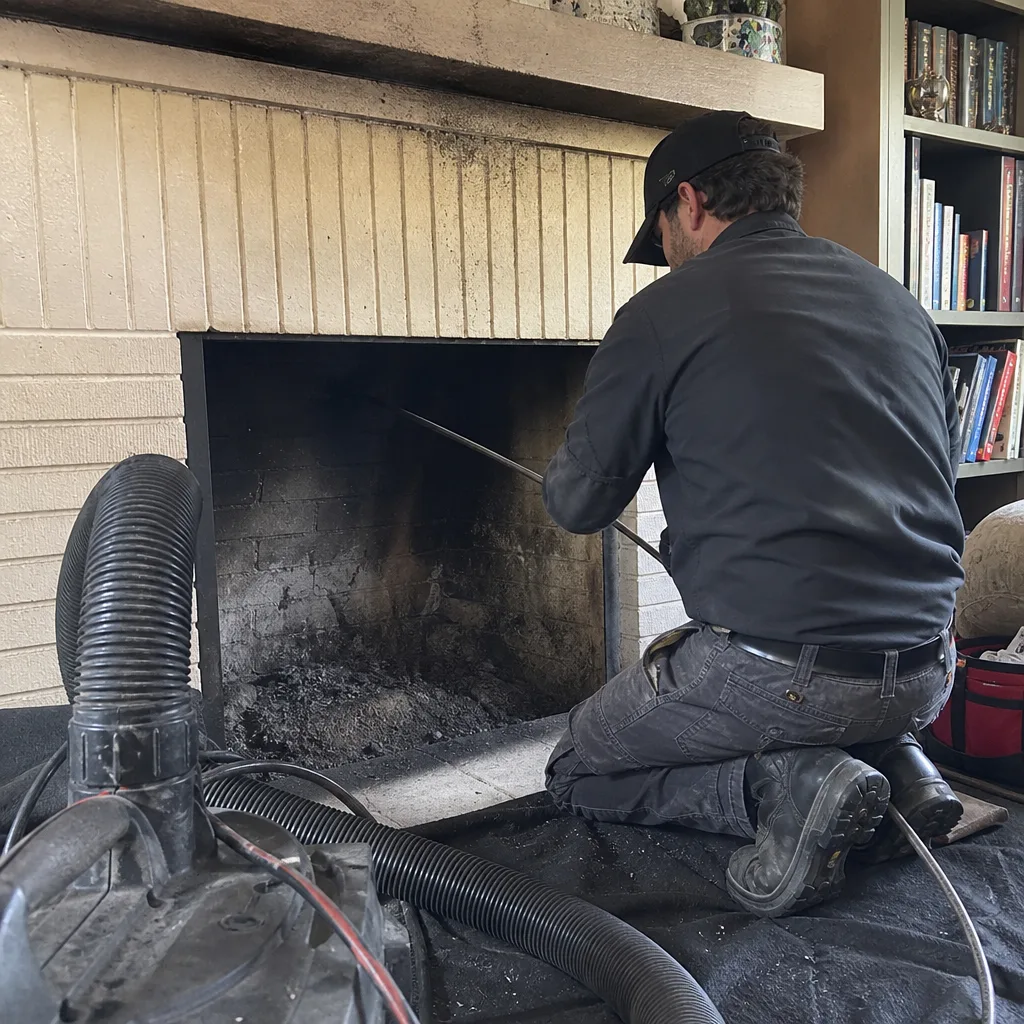 Before
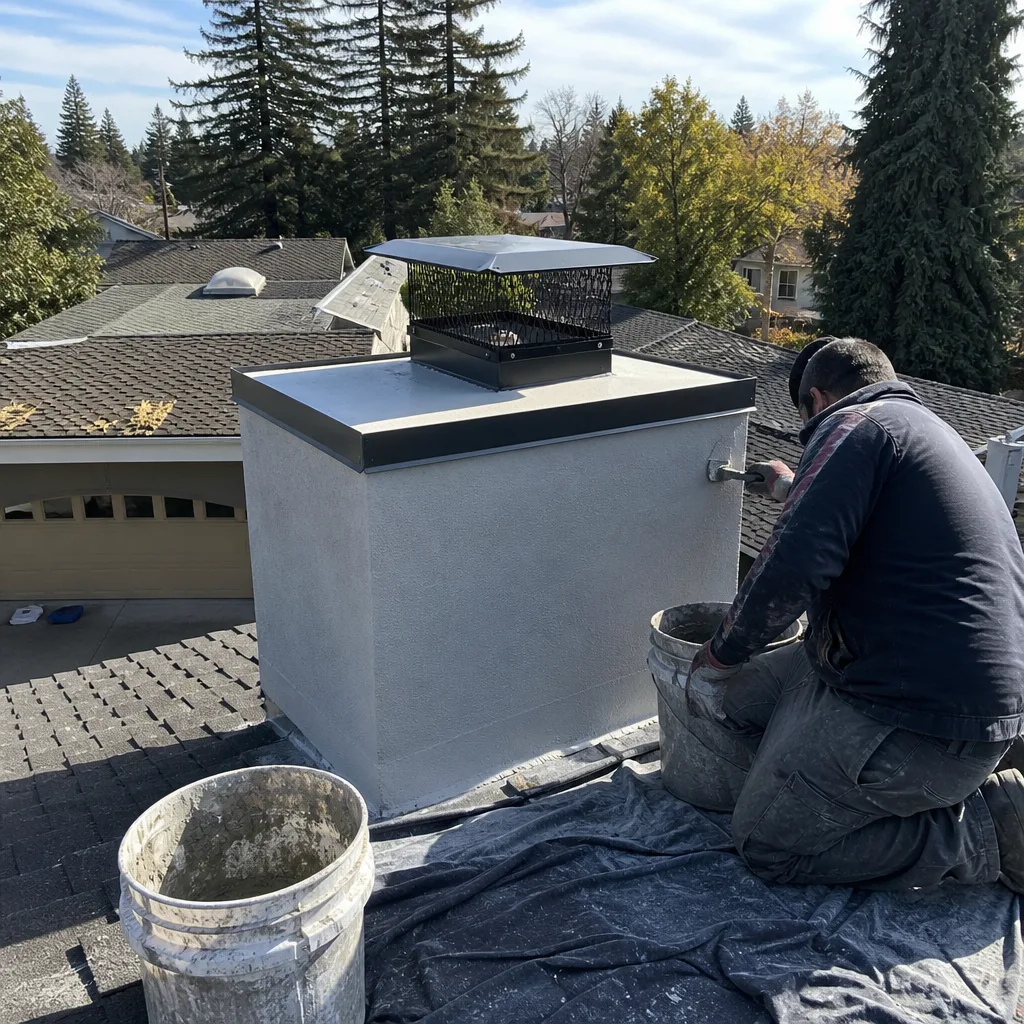 After
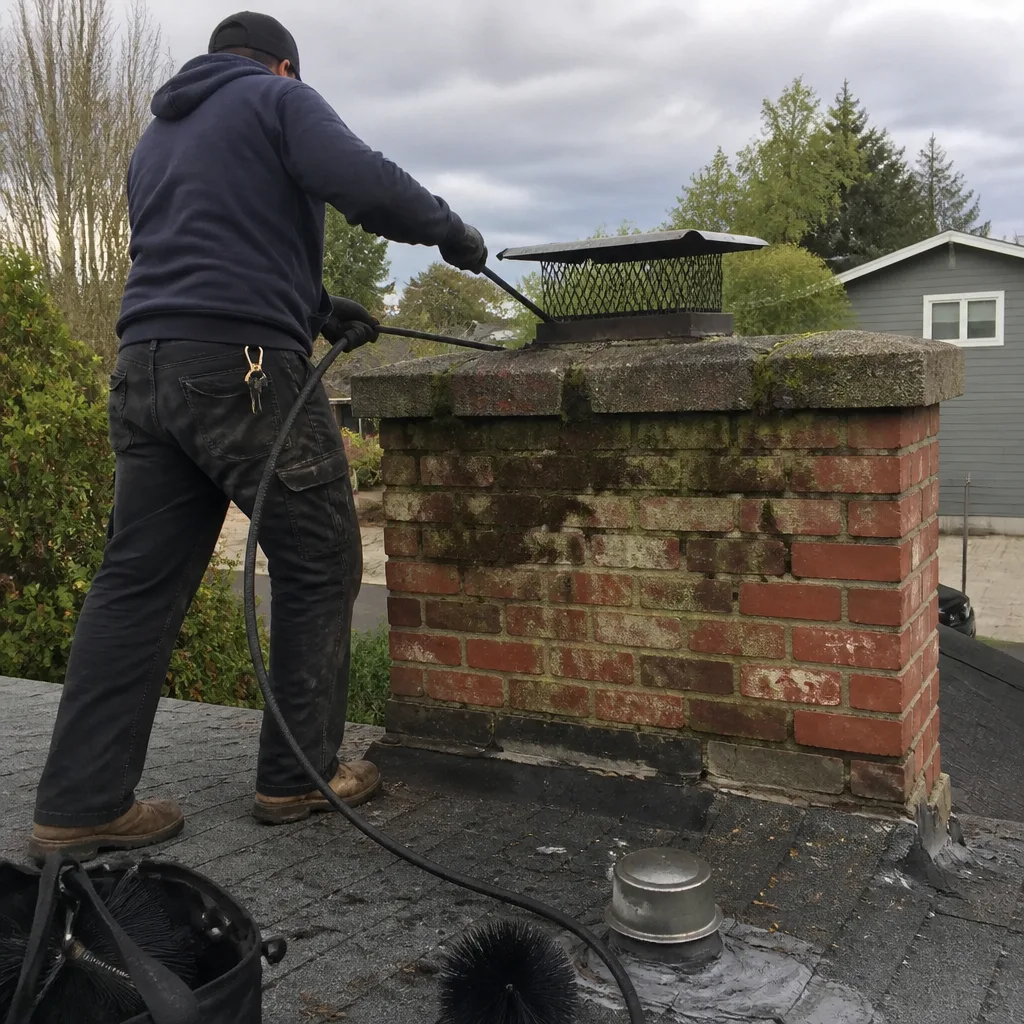 Before
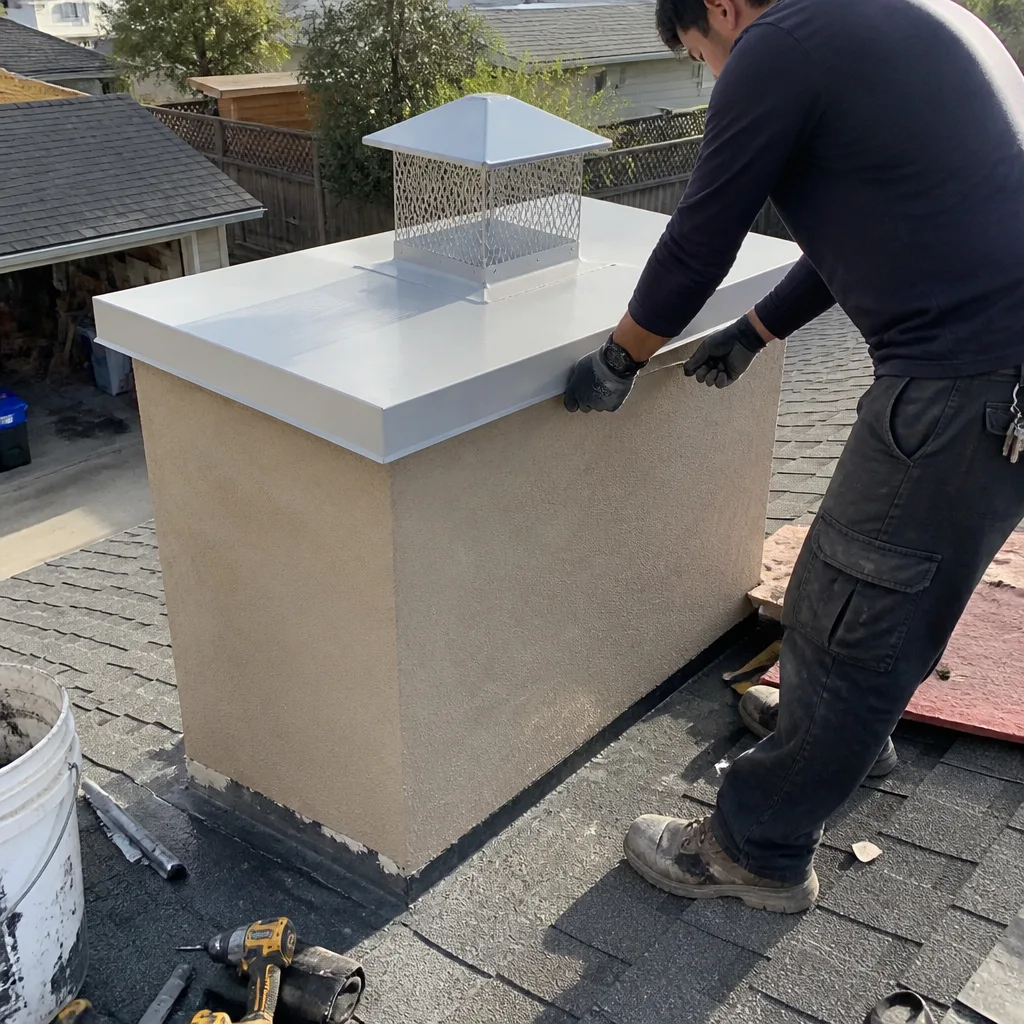 After
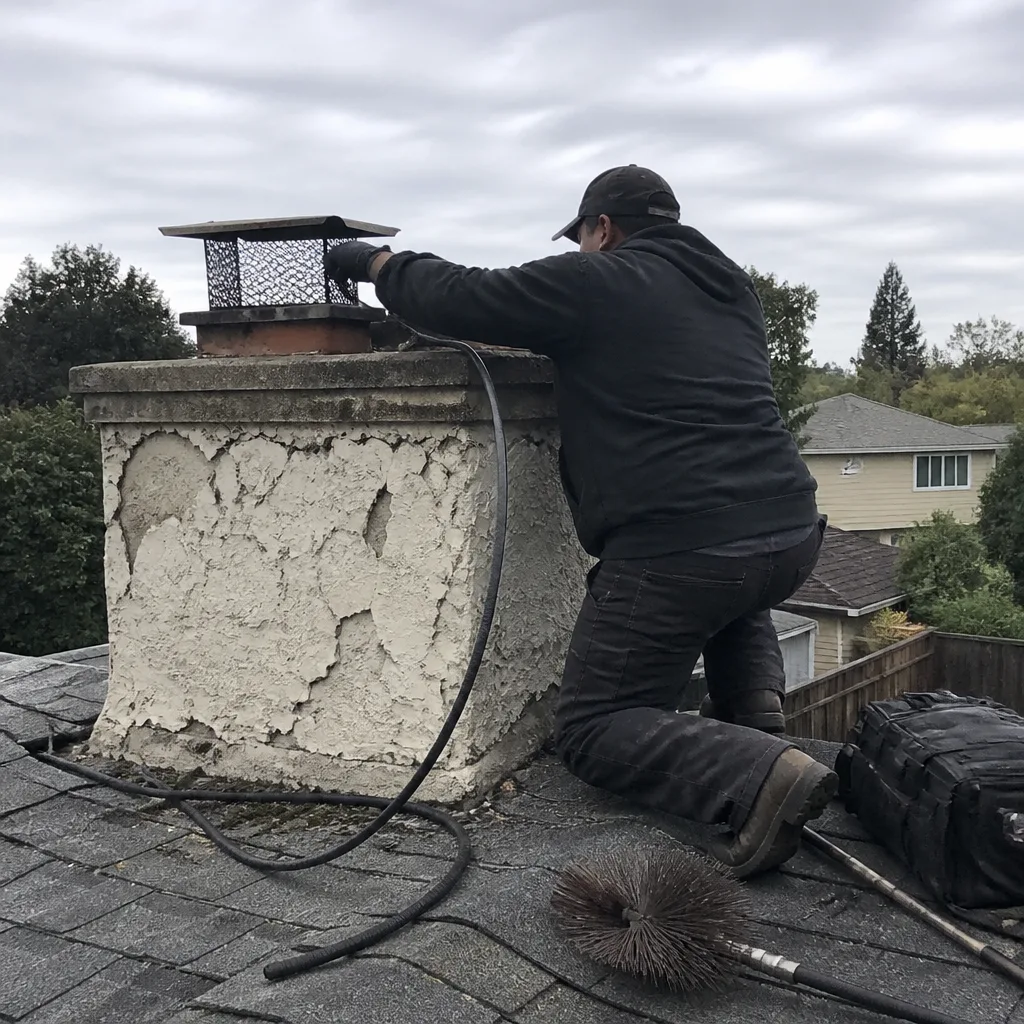 Before
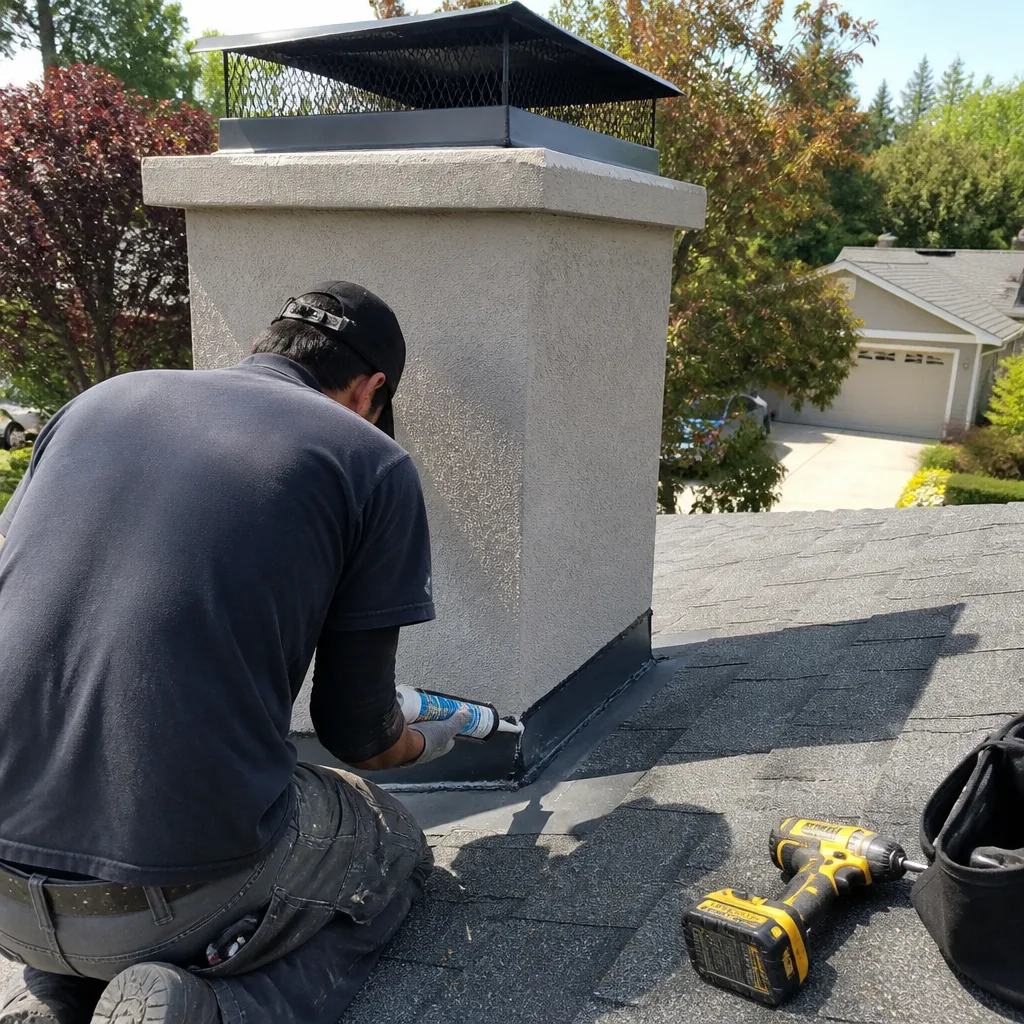 After