
Last updated November 2, 2026
 Sweep & inspection
 Caps & crowns
 Flue relining
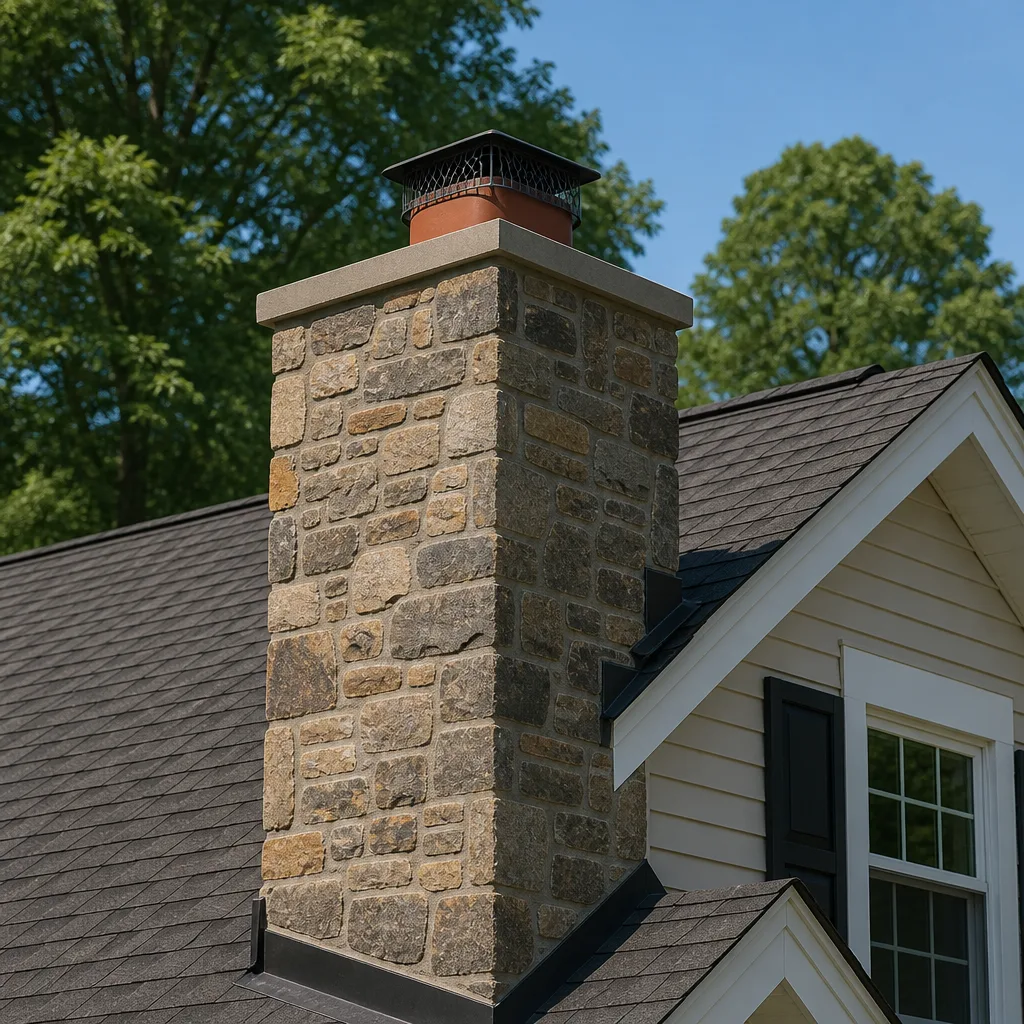 Masonry repair
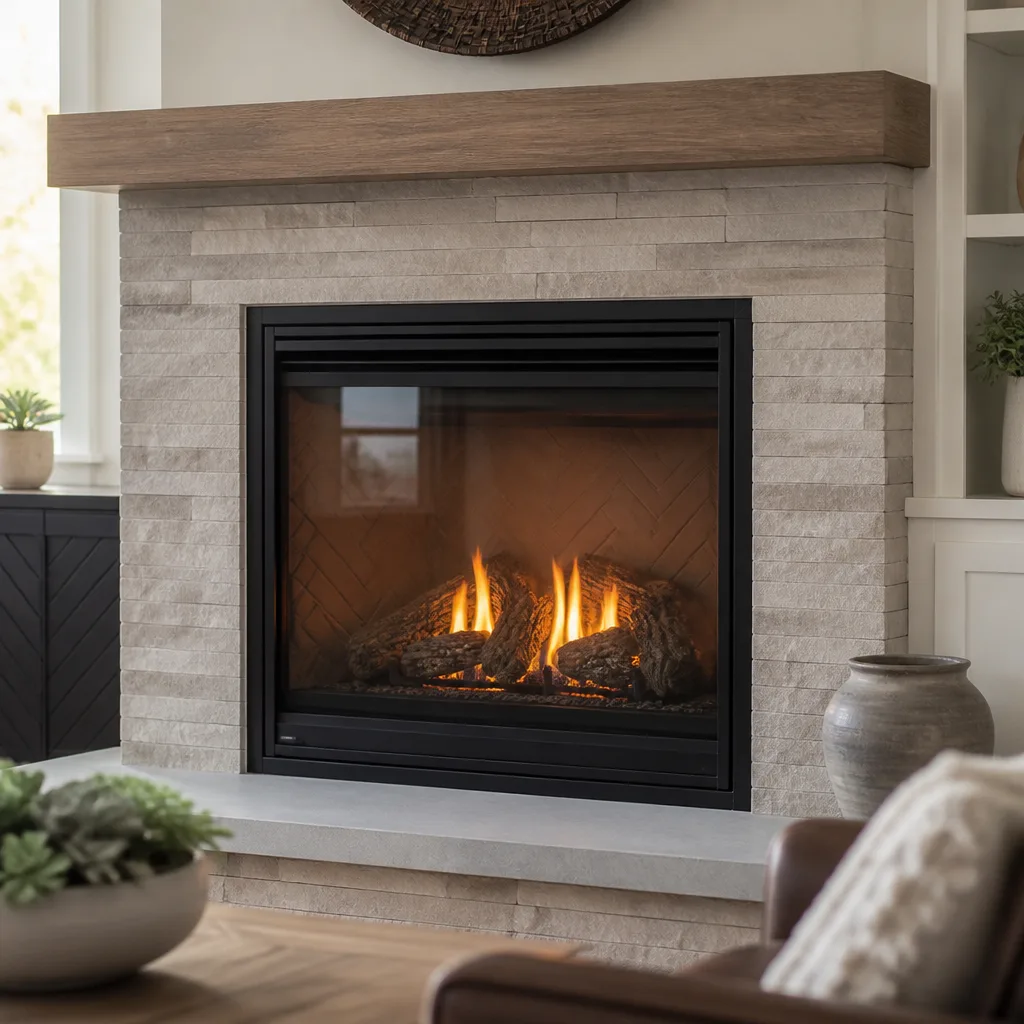 Gas fireplace service
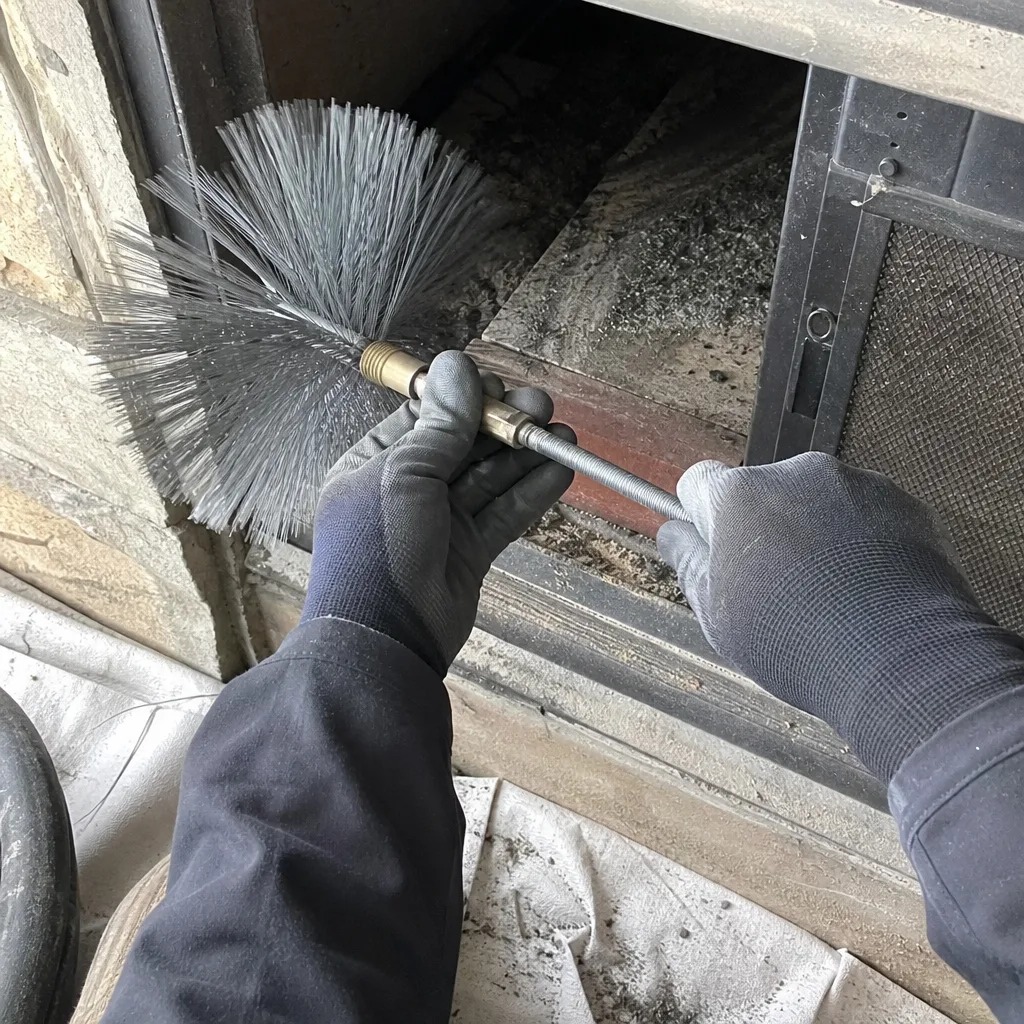
Level 1 sweep and inspection to the NFPA 211 annual standard - flue, crown, cap, and flashing checked and photographed
Chimney sweep logs do not sweep chimneys. They loosen some creosote - which then falls where a brush and vacuum still have to collect it.
Chimney Cleaning Permits, Codes & Inspections in CA: What You Need to Know
Most Mountain View homeowners assume chimney work is chimney work. It’s not. A routine sweep and inspection requires no permit anywhere in California, but the moment that inspection finds a cracked flue tile or a deteriorated firebox, you’ve crossed into regulated territory governed by the California Residential Code, Santa Clara County amendments, and air quality rules from the Bay Area Air Quality Management District. Misunderstanding where that line sits costs homeowners real money: either in fines for unpermitted work, or in repair jobs that have to be torn out and redone because they never should have been installed in the first place. This guide maps the exact boundaries, so you know which agencies govern which parts of your chimney system, what triggers a permit in Mountain View, and what your legal obligations are when you sell a home with a fireplace.
Styles & brands we work with
- Sweep & inspection
- Caps & crowns
- Flue relining
- Masonry repair
- Gas fireplace service
Quick Answer
Chimney cleaning and Level 1 or Level 2 inspections do not require permits anywhere in California, including Mountain View. However, relining a flue, rebuilding a firebox, installing a new fireplace, or replacing a chimney connector on a wood-burning or gas appliance does require a building permit through the City of Mountain View Building Division. The work itself is governed by NFPA 211 (the national chimney standard), California Residential Code Chapter 10, the California Mechanical Code, and BAAQMD air quality rules for when you can legally burn wood.
Table of Contents
- Who Governs What: The Four Agencies That Control Your Chimney
- Permit vs. No Permit: The Exact Line in Santa Clara County
- California Residential Code Chapter 10: Masonry vs. Factory-Built Fireplaces
- BAAQMD Spare the Air Rules and How They Affect Chimney Maintenance
- Level 2 Inspections and California Real Estate Disclosure Law
- The Dryer Vent Parallel: California Mechanical Code Section 504
- What a Permitted Chimney Repair Inspection Actually Covers in Mountain View
- Common Mistakes to Avoid
- When to Call a Professional
- Frequently Asked Questions
- The Bottom Line
Who Governs What: The Four Agencies That Control Your Chimney
Your chimney is not governed by a single code. Four separate authorities overlap, and each one controls a different slice of the system. Homeowners who understand this map don’t get blindsided when a repair triggers requirements they didn’t anticipate.
First, the National Fire Protection Association (NFPA). NFPA 211 is the national standard for chimneys, fireplaces, vents, and solid fuel burning appliances. It’s not a law by itself, but California adopts it by reference into the California Residential Code. NFPA 211 defines the three levels of chimney inspection: Level 1 (routine, for systems that haven’t changed), Level 2 (required upon property transfer, after a chimney fire, or after an earthquake), and Level 3 (invasive, when a hidden hazard is suspected and portions of the structure must be removed to access the flue). Every legitimate chimney sweep in Mountain View performs work to the NFPA 211 standard, even when no permit is involved.
Second, the California Residential Code (CRC). CRC Chapter 10 covers chimneys and fireplaces in one- and two-family dwellings. It sets the minimum requirements for construction, clearance to combustibles, flue sizing, and termination heights above the roofline. When a repair is structural, meaning it changes the flue, firebox, or foundation of the fireplace, CRC Chapter 10 is the standard the building inspector checks against.
Third, Santa Clara County and the City of Mountain View. Local jurisdictions adopt the CRC with amendments. Mountain View enforces its own building permit requirements through the Building Division. What requires a permit in Mountain View may differ slightly from what requires a permit in San Jose or Palo Alto, even though all three cities sit in the same county. The practical rule: any repair that modifies the chimney structure or the appliance’s connection to it requires a Mountain View building permit.
Fourth, the Bay Area Air Quality Management District (BAAQMD). BAAQMD doesn’t care about your chimney’s structure. It cares about what comes out of it. The district regulates wood smoke through Regulation 6, which includes mandatory no-burn days during winter Spare the Air alerts. In Mountain View, burning wood during a Spare the Air alert is illegal, with fines for repeat violations. This matters for maintenance because BAAQMD rules affect which appliances can legally remain in service and which must be decommissioned or converted.
Permit vs. No Permit: The Exact Line in Santa Clara County
Here’s the short version: if the work touches the chimney’s structure or changes how the appliance connects to the chimney, you need a permit in Mountain View. If the work is cleaning, inspection, or minor component replacement, you don’t. The line is not vague, but it surprises a lot of homeowners because the trigger is often discovered during what they thought was routine maintenance; for a deeper look at what to watch for, see our Chimney Cleaning Warning Signs: A Mountain View Homeowner’s Reference Guide.
Work that does NOT require a permit in Mountain View:
- Chimney sweeping. Removing creosote and soot from the flue is maintenance, not construction. No permit needed, regardless of how dirty the system is.
- Level 1 and Level 2 inspections. These are diagnostic, not structural. Even a Level 2 inspection with a camera, which we perform regularly on chimneys in the Old Mountain View and Waverly Park neighborhoods, requires no permit.
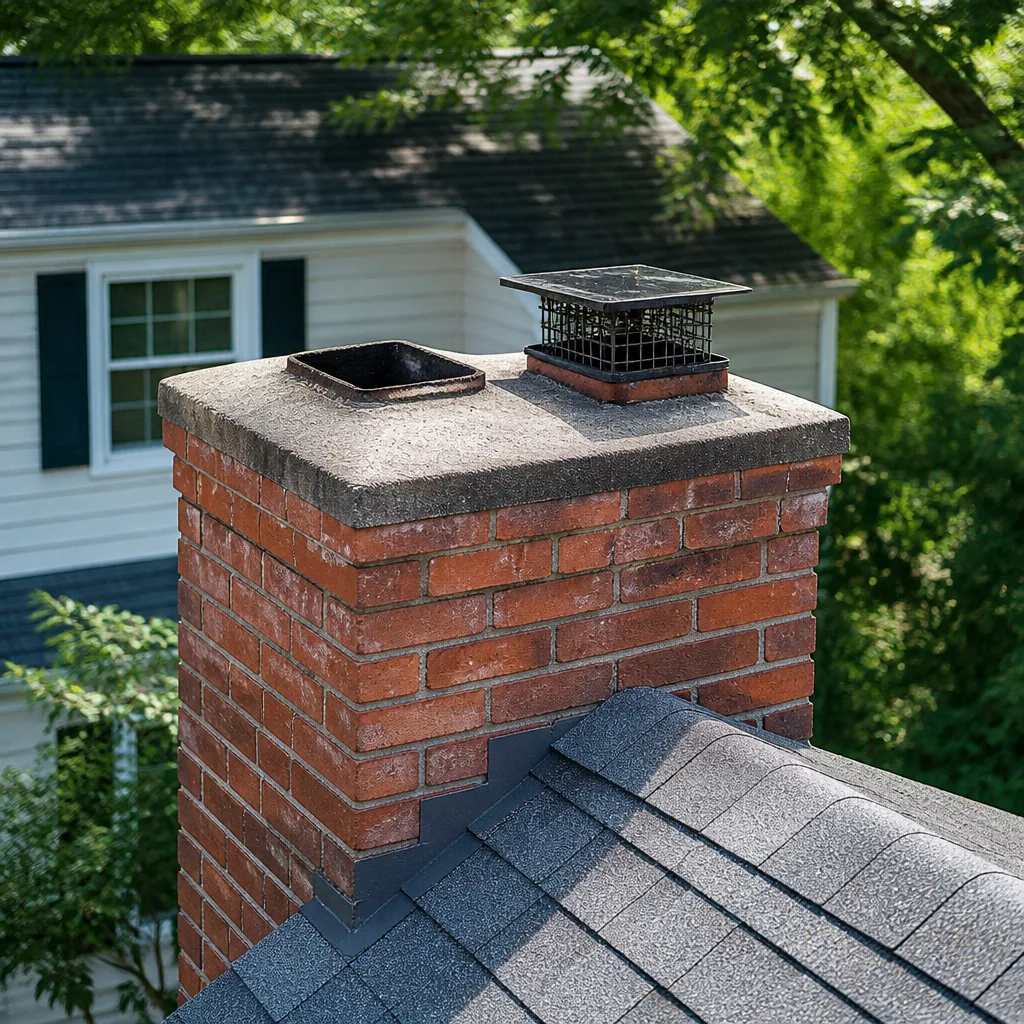
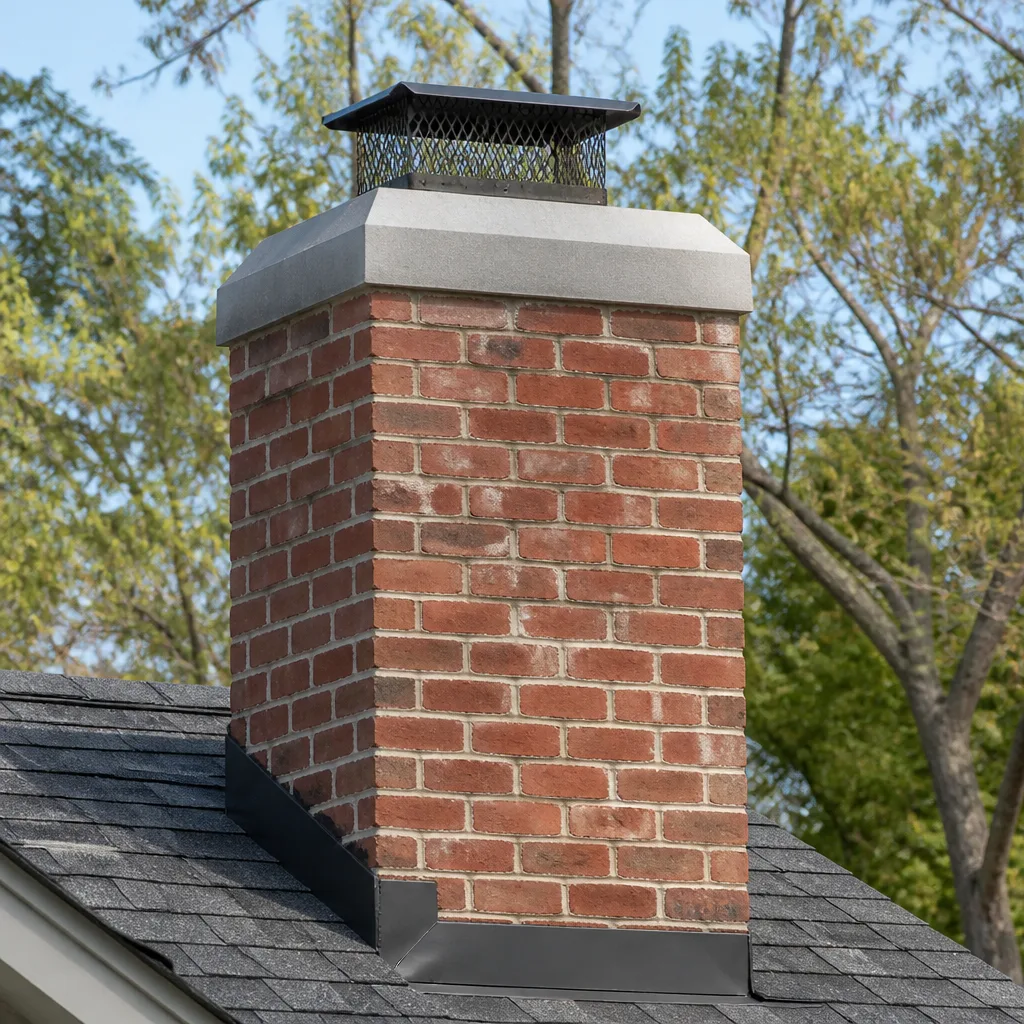
- Chimney cap replacement. Swapping a damaged cap for a new one is considered a component replacement, provided you’re not altering the flue termination height or the crown’s structure.
- Damper repair. Replacing a worn throat damper or top-sealing damper is a component swap, not a structural change.
- Chase cover replacement on factory-built units. This is weatherproofing, not structural modification.
Work that DOES require a permit in Mountain View:
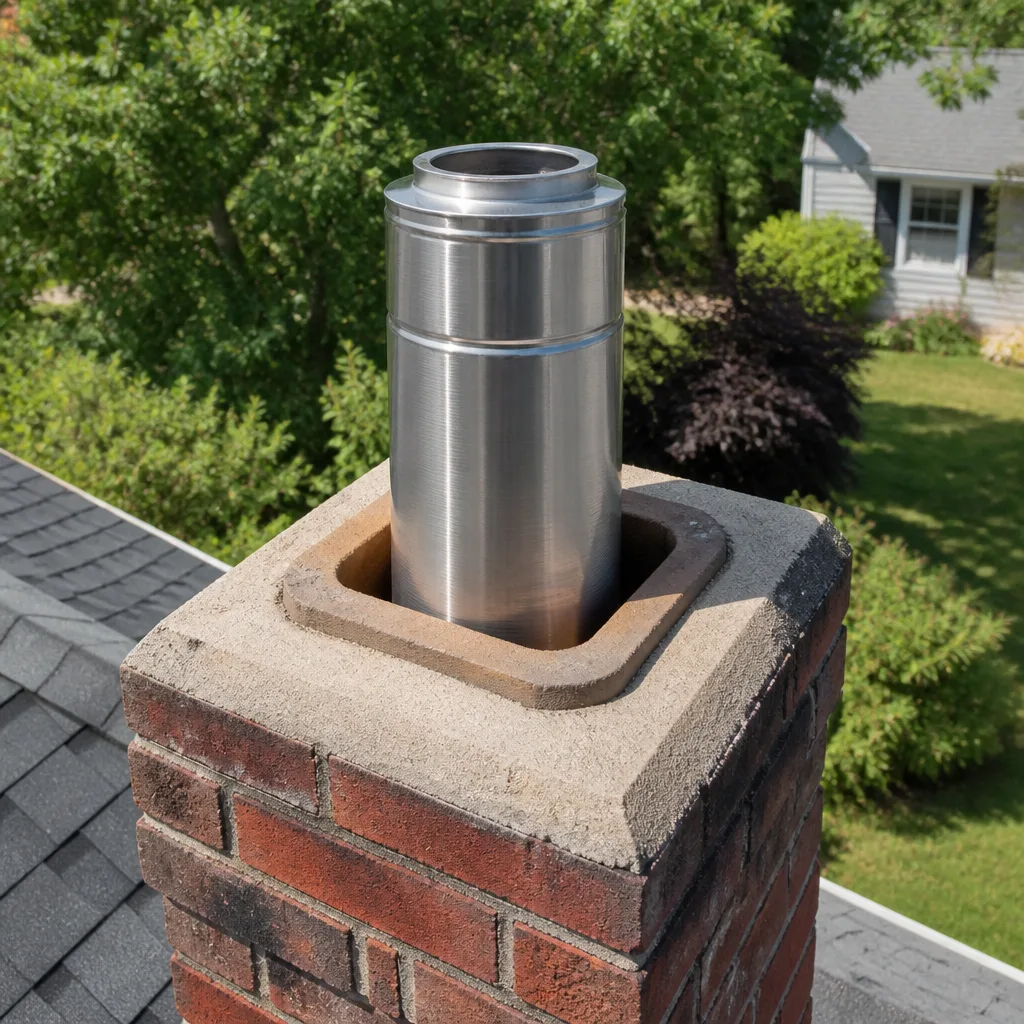
- Flue relining. Installing a stainless steel liner, whether rigid or flexible, changes the flue’s cross-sectional area, material, and clearance profile. This is a structural modification. In Mountain View, relining a chimney requires a building permit, and the inspection verifies that the liner is properly sized for the connected appliance, properly insulated where required, and terminated at the correct height.
- Firebox rebuilding. If the firebrick and refractory mortar in the firebox have deteriorated to the point that the firebox needs to be torn out and relaid, that’s structural work, and the inspector will want to see it before the new masonry is covered.
- New appliance installation or connector replacement. Installing a new wood stove, fireplace insert, or gas log set requires a permit because the connector changes. The inspector verifies that the connector is the correct size, material, and length, and that clearances to combustibles are met.
- Chimney demolition or rebuild above the roofline. If an earthquake or decades of exposure have damaged the upper courses of brick to the point that they need to be taken down and relaid, that’s a permit-triggering project.
The practical problem in Mountain View is this: a cleaning often reveals the need for relining. We sweep the flue, the brush knocks loose a piece of deteriorated clay tile, and the camera inspection confirms the flue is no longer safe. At that point, you need a contractor who can pull the permit and do the repair. If the company that cleaned your chimney can’t do the repair, you’re now coordinating two contractors and waiting twice as long. That’s the exact scenario we built our chimney repair service to solve: we diagnose, we pull the permit, and we fix it, without handing you off to a third party.
California Residential Code Chapter 10: Masonry vs. Factory-Built Fireplaces
CRC Chapter 10 draws a hard line between masonry fireplaces and factory-built fireplaces, and the repair rules for each are different enough that a homeowner who doesn’t know the distinction can make an expensive mistake.
Masonry fireplaces are built on site, brick by brick, on a concrete or masonry foundation. They have a clay tile flue liner (in most pre-1990s construction) or a stainless steel liner (in newer or relined systems). In Mountain View, the housing stock skews toward homes built between the 1940s and 1970s, which means many masonry fireplaces still have original clay tile liners, often cracked from decades of thermal cycling or damaged by seismic activity.
CRC Chapter 10 requires that masonry fireplaces have a flue liner of approved clay tile, stainless steel, or a listed alternative. If a Level 2 inspection finds cracked tiles with gaps large enough to permit heat transfer to combustibles, the fireplace fails the code, and it cannot legally be used until it’s relined or rebuilt. The repair path is either a full reline with a stainless system, or a resurfacing with a product like HeatShield, which is a cerfied, code-compliant approach we use regularly for chimneys in Mountain View where the masonry structure is still sound but the clay liner has failed.
Factory-built fireplaces are different. They arrive at the jobsite as a listed assembly from a manufacturer, and they’re installed according to the manufacturer’s instructions, which carry the force of code. CRC Chapter 10 says you must install and repair factory-built fireplaces per the listing, which means you can’t substitute parts from a different manufacturer, you can’t modify the firebox, and you can’t reline the chimney with a generic stainless liner unless the manufacturer’s instructions permit it.
This is a distinction that matters in Mountain View, where many 1980s and 1990s homes have factory-built wood-burning fireplaces. A contractor who treats a factory-built unit like a masonry fireplace, and installs a generic liner or replaces a warped firebox panel with a non-listed part, has created a code violation and a fire hazard. When we repair factory-built units, the parts come from the original manufacturer’s listed components, period.
The permit trigger differs too. Replacing a listed component on a factory-built fireplace, like a refractory panel or a grate, typically doesn’t require a permit because you’re restoring the unit to its listed configuration. But modifying the unit, its venting, or its connection to the chimney does require a permit. The inspector’s job is to verify that the work matches the manufacturer’s listing, which is why we keep the installation manuals on file for the factory-built systems we service.
BAAQMD Spare the Air Rules and How They Affect Chimney Maintenance
The Bay Area Air Quality Management District regulates wood smoke because particulate matter from residential wood burning is the single largest source of winter air pollution in the region. BAAQMD Regulation 6, Rule 3 makes it illegal to burn wood, manufactured fire logs, or pellets in a fireplace or wood stove on any day the district declares a Spare the Air alert. In Mountain View, those alerts typically run from November through February, and they’re announced by 2 p.m. for the following day.
The fine structure matters: first violations in a given season generally result in a warning, but repeat violations carry penalties that start in the hundreds of dollars and escalate. The district uses a combination of citizen complaints and patrols to enforce the rule, and on high-pollution days, enforcement is visibly active in Bay Area residential neighborhoods.
Here’s where BAAQMD rules intersect with chimney maintenance in a way most homeowners don’t expect. The district’s long-term goal is the gradual phase-out of uncertified wood-burning devices in the nine-county Bay Area. A fireplace that burns wood in an open hearth is not a “device” subject to retrofit requirements the way a wood stove is, so no rule forces you to decommission a traditional masonry fireplace. But the practical reality is that a dirty chimney produces more smoke than a clean one, and a chimney with a compromised liner is both a fire hazard and a heavier polluter. Maintaining your chimney to NFPA 211 standards is the simplest way to stay on the right side of both the safety codes and the air quality rules; our Chimney Sweep Maintenance Checklist for Mountain View Homeowners can help you stay on track.
There’s one more convergence point: when a wood-burning fireplace is so deteriorated that a homeowner decides to convert it to gas or electric, the permit process changes. Converting a wood-burning fireplace to a gas log set or a gas insert requires a permit, and the inspector verifies that the gas line installation meets the California Plumbing Code and that the chimney, if it’s being used as a vent, is properly lined for the new appliance. If BAAQMD restrictions are part of your reason for converting, the project also has to satisfy the local building code, not just the air quality rules. A homeowner who removes a wood-burning fireplace and installs a gas unit without a permit has created a disclosure problem for a future sale, which is a topic we’ll get to.
Level 2 Inspections and California Real Estate Disclosure Law
California law requires sellers to disclose material facts about their property that could affect its value or desirability. A chimney with a cracked flue liner, a deteriorated firebox, or a history of chimney fire is a material fact, and the standard real estate transfer process in California, including Mountain View, typically triggers a Level 2 chimney inspection as part of the buyer’s due diligence.
What many sellers don’t realize is that the inspection report becomes a legal document. If a Level 2 inspection finds a code violation or a safety hazard, and the seller is aware of it, the seller has a legal obligation to disclose that finding to the buyer, even if the buyer doesn’t ask specifically about the chimney. Failing to disclose a known chimney defect is one of the most common sources of post-sale disputes in California residential real estate transactions.
The Level 2 inspection itself is more comprehensive than what a routine sweep includes. A Level 2 inspection uses a video camera to scan the entire interior of the flue, from the firebox to the termination cap. It also includes an inspection of the accessible portions of the chimney exterior, the attic area where the chimney passes through, and the clearances to combustibles. NFPA 211 requires a Level 2 inspection when a property transfers ownership, which is why real estate agents in Mountain View routinely schedule one before listing or during escrow.
If the Level 2 inspection finds a problem, the seller has a decision: repair before closing, credit the buyer for the repair cost, or negotiate. In Mountain View’s competitive real estate market, sellers increasingly choose to repair before listing, because a clean inspection report strengthens the disclosure package and removes a bargaining chip from the buyer’s side of the table. That repair, if it involves relining or firebox work, requires a permit, which means the seller needs a contractor who can pull one. A chimney sweep who can only clean, and tells the seller to find someone else for the repair, has left the seller with an open disclosure item and a closing deadline; see Chimney Sweep Troubleshooting: Common Problems and How to Fix Them for what comprehensive service should cover.
Our repair capability means we can take a failed Level 2 inspection in Mountain View and close it out: perform the permitted repair, schedule the inspection, and provide the documentation the seller’s disclosure package requires. No handoff, no second contractor, no delay.
The Dryer Vent Parallel: California Mechanical Code Section 504
A chimney is a vent, and a dryer vent is also a vent, and the California Mechanical Code treats both as systems that move combustion byproducts or moist air out of the house. The parallel is worth understanding because the same homeowners who are meticulous about chimney maintenance often ignore the dryer vent, which is statistically more likely to cause a house fire.
California Mechanical Code Section 504 governs dryer exhaust systems. The key requirements:
- Duct material must be rigid metal. Flexible foil or plastic transition ducts are prohibited except for a short section connecting the dryer to the wall outlet, and even that transition must be listed to UL 2158A. The long run from the wall outlet to the exterior termination must be rigid metal, full stop.
- Maximum duct length is 35 feet. That’s measured from the dryer connection to the termination point. Every 90-degree elbow subtracts 5 feet from the allowable total. A dryer vent running through a crawl space with two elbows and a 25-foot straight run exceeds the code limit, and the correction is either rerouting or installing a booster fan.
- Termination must be outside the building. A dryer vent that terminates in the attic, crawl space, or garage is a code violation and a moisture hazard. The termination must be at least 3 feet from any building opening like a door or window.
- No screws penetrating into the duct interior. Screws create lint-capture points, and lint is the fire fuel. Joints are secured with foil tape or clamps, never screws.
- Cleanout access is not a substitute for cleaning. Some installations include an access panel in the duct, but the code doesn’t treat that as an alternative to periodic cleaning.
The permit trigger for dryer vents in Mountain View is narrower than for chimneys. Replacing a deteriorated foil duct with rigid metal, and correcting the termination to code, typically does not require a permit if the work is confined to the existing chase. But if you’re relocating the dryer, adding a new termination point, or modifying the building envelope to route the duct, a permit is likely required. The inspector’s concern is that the new installation meets CMC 504: correct material, correct length, correct termination.
This is why dryer vent cleaning in Mountain View belongs in the same conversation as chimney maintenance. They are both venting systems, both governed by California code, and both rank among the leading causes of residential fires. A homeowner who maintains one and ignores the other has half of a safety strategy. When we clean a dryer vent, we check the installation against CMC 504 as part of the service, which means code violations get caught before they become fire hazards or disclosure issues.
What a Permitted Chimney Repair Inspection Actually Covers in Mountain View
If you’ve never pulled a building permit for chimney work, the inspection process can feel opaque. Here’s what actually happens when you reline a flue or rebuild a firebox in Mountain View.
Step 1: The permit application. Your contractor submits the permit application to the City of Mountain View Building Division, typically with a scope-of-work description and, for larger projects, a simple plan or diagram. For a standard stainless steel reline, the application specifies the liner diameter, the material (usually 316L stainless for wood-burning, or aluminum for gas), and the termination details.
Step 2: Mid-work inspection (for firebox rebuilds). If the firebox is being rebuilt, the inspector wants to see the work before the new masonry is covered. This means the contractor schedules an inspection when the old firebrick has been removed and the new firebrick is laid but not yet parged. The inspector checks the firebrick thickness, the refractory mortar, and the clearance between the firebox and any combustible framing.
Step 3: Final inspection for the reline. After the liner is installed, connected, and terminated, the inspector verifies: the liner is the correct diameter for the connected appliance, the connection between the appliance outlet and the liner is secure, the termination height meets the 3-foot/2-foot/10-foot rule (the cap must extend at least 3 feet above the roof penetration and at least 2 feet above anything within 10 feet), and the cap is the correct type for the fuel.
Step 4: Documentation. The final inspection is recorded by the city, and the permit is closed out. The homeowner gets documentation that the work was permitted and inspected, which becomes part of the property’s paper trail for future disclosure.
For HeatShield resurfacing projects, some jurisdictions treat the work as a repair rather than a reline, which can change the permit requirement. The agent we work with, HeatShield’s cerfied applicator network, is code-recognized, but the local building official has the final say on whether a particular application triggers a permit in a given city. In our experience with Mountain View, the determining factor is whether the existing liner is being restored or replaced. Restoration typically does not require a permit; replacement does. We determine which applies before work begins, and we pull the permit if it’s required, so there’s no ambiguity when the project closes.
Common Mistakes to Avoid
- Assuming a cleaning company can also do the repair. Many chimney sweeps in the Bay Area are cleaning-only operations. When their inspection finds a code violation, they hand you a report and a referral. You’re left to coordinate a second contractor, a second appointment, and often a second inspection fee. Before you book, ask whether the company performing your cleaning can also pull a permit and do the repair the cleaning might reveal.
- Installing a stainless steel liner without a permit. In Mountain View, unpermitted relining is a code violation that becomes a disclosure problem when you sell. Buyers and their inspectors can identify recent liner installations, and the absence of a permit record is a red flag. The cost of a permit is trivial compared to the cost of defending a non-disclosure claim.
- Burning wood during a Spare the Air alert. The district’s enforcement is complaint-driven, which means a neighbor’s call can trigger a visit. Repeat violations carry real fines. Check the BAAQMD alert status before lighting a fire between November and February.
- Treating a factory-built fireplace like a masonry unit. A contractor who installs generic firebrick in a factory-built firebox, or relines a factory-built chimney with an unlisted liner, has created a code violation and a possible fire hazard. The correct path is manufacturer-listed parts only.
- Ignoring the dryer vent while fussing over the chimney. Dryer vents cause more residential fires than chimneys do in California. If you’re maintaining the fireplace but haven’t had the dryer vent cleaned and inspected against CMC 504, your fire-prevention effort is incomplete.
- Skipping the Level 2 inspection before selling. The buyer’s inspector will find the cracked flue tile or the deteriorated firebox whether you look for it or not. Finding it first gives you time to repair it on your schedule and at your price, instead of negotiating a credit under closing pressure.
- Delaying a repair after a chimney fire. A chimney fire can damage the liner, the mortar joints, and the surrounding framing even when the house doesn’t burn. NFPA 211 requires a Level 2 inspection after any chimney fire, and using the fireplace before that inspection is done is the kind of gamble that has no upside.
When to Call a Professional
Call a professional if your chimney hasn’t been inspected in the past two years, if you’ve had a chimney fire even a small one, if you’re buying or selling a home in Mountain View, or if you’ve noticed flaking brick, a rusted damper, water stains on the ceiling near the chimney, or a persistent smoky smell in the house after fires. Call immediately if you see white staining on the exterior brick, which indicates moisture penetration, or if you notice the fireplace drafting poorly and smoke entering the room. These are signs of structural problems that require diagnosis before use. Chimney Sweep Mountain View offers free estimates in Mountain View, call (866) 596-8327. We inspect, diagnose, and repair, so you’re not left with a finding and a referral to someone else.
Frequently Asked Questions
No. Chimney sweeping, Level 1 inspections, and Level 2 inspections are maintenance and diagnostic services that require no permit in Mountain View, anywhere in Santa Clara County, or anywhere in California. A permit becomes necessary only if the inspection reveals structural damage that requires repair, such as relining the flue, rebuilding the firebox, or replacing the appliance connector.
Chimney sweeping in the Mountain View area typically costs between $150 and $350 for a standard masonry fireplace with a clay tile liner, depending on the level of creosote buildup and the accessibility of the roofline. A Level 2 camera inspection, which is required for real estate transactions and after chimney fires, typically runs $100 to $200 more. Call (866) 596-8327 for an exact quote, our estimates are free.
Yes. Relining a chimney with a stainless steel liner changes the flue’s dimensions, material, and clearance profile, which makes it a structural modification requiring a building permit. The City of Mountain View Building Division issues the permit, and the final inspection verifies correct sizing, connection, and termination height. Restoration of an existing liner with a product like HeatShield may not require a permit if the original liner isn’t being replaced, but the local building official makes that determination.
You carry the legal risk. If the buyer’s inspector finds a defect you should have known about, and you didn’t disclose it, you’ve opened yourself to a post-sale non-disclosure claim. In California, sellers are obligated to disclose material facts that could affect the property’s value or desirability, and a failed chimney inspection is a material fact. The better path is to schedule the Level 2 inspection before listing, repair what needs repairing with a permitted contractor, and close the disclosure item before the house goes on the market.
No. BAAQMD Regulation 6, Rule 3 prohibits burning wood, manufactured logs, or pellets during any declared Spare the Air alert, which runs from November through February in the Bay Area. The rule applies to open fireplaces, wood stoves, and outdoor fire pits. Check the daily alert status before lighting a fire, because the fines become substantial for repeat violations.
Yes, with a caveat. Gas fireplaces still vent combustion byproducts through a flue, and that flue can be blocked, damaged, or improperly sized. A Level 2 inspection is required on property transfer for gas and wood systems alike. However, gas chimneys accumulate creosote far more slowly than wood systems, so the cleaning interval is longer typically every 2 to 3 years rather than annually. The inspection is what matters most. Call (866) 596-8327 for a gas fireplace inspection in Mountain View.
The Bottom Line
Chimney cleaning and inspection require no permit in California, but the repairs they reveal often do, and the difference between the two is where Mountain View homeowners get caught. Know the four agencies that govern your chimney: NFPA 211 for standards, CRC Chapter 10 for construction, the City of Mountain View for permits, and BAAQMD for when you can burn. If you’re selling, a Level 2 inspection is not optional, it’s a disclosure obligation. If you’re maintaining a home with a fireplace, hire a contractor who can both diagnose and repair, so a finding doesn’t leave you with a problem and no one to fix it. And if you have a dryer, the same code logic applies to that vent too.
Written by the team at Chimney Sweep Mountain View, serving Mountain View since 2015.
See the difference
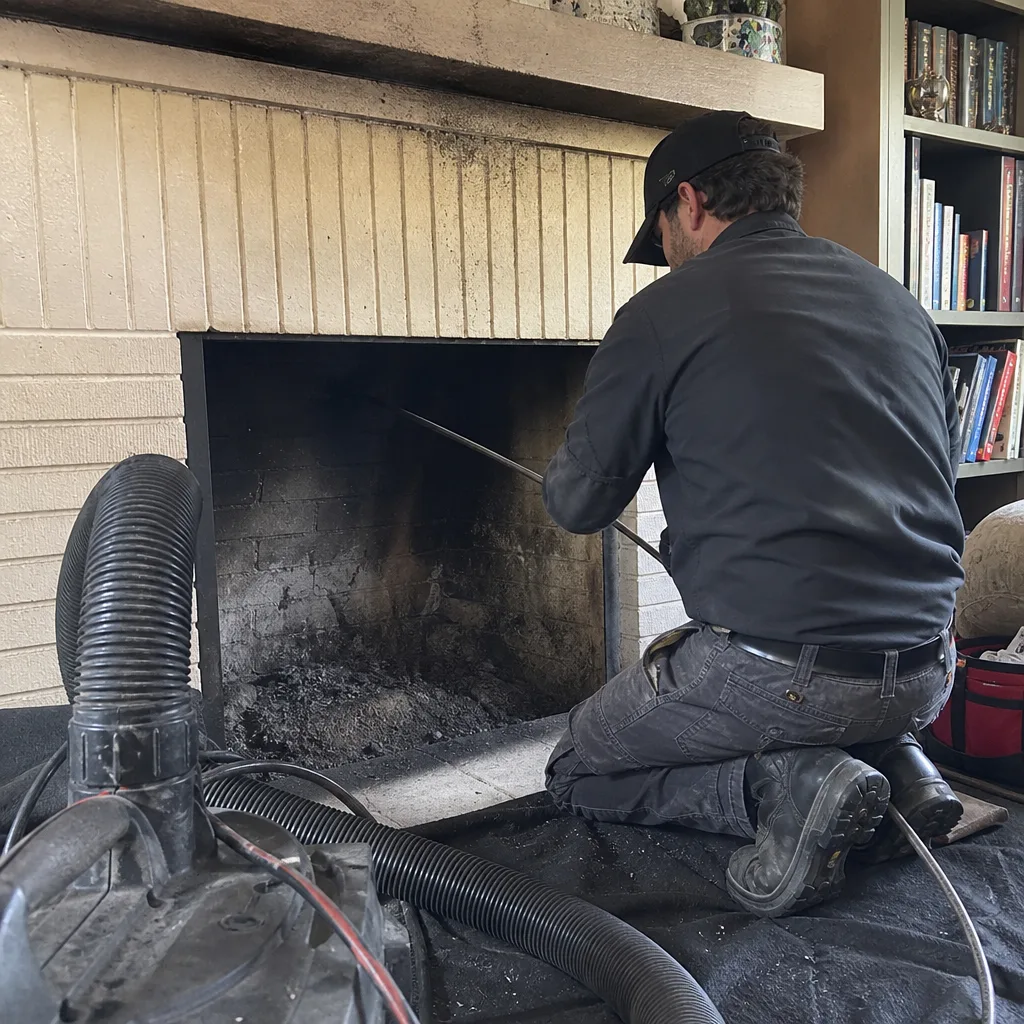 Before
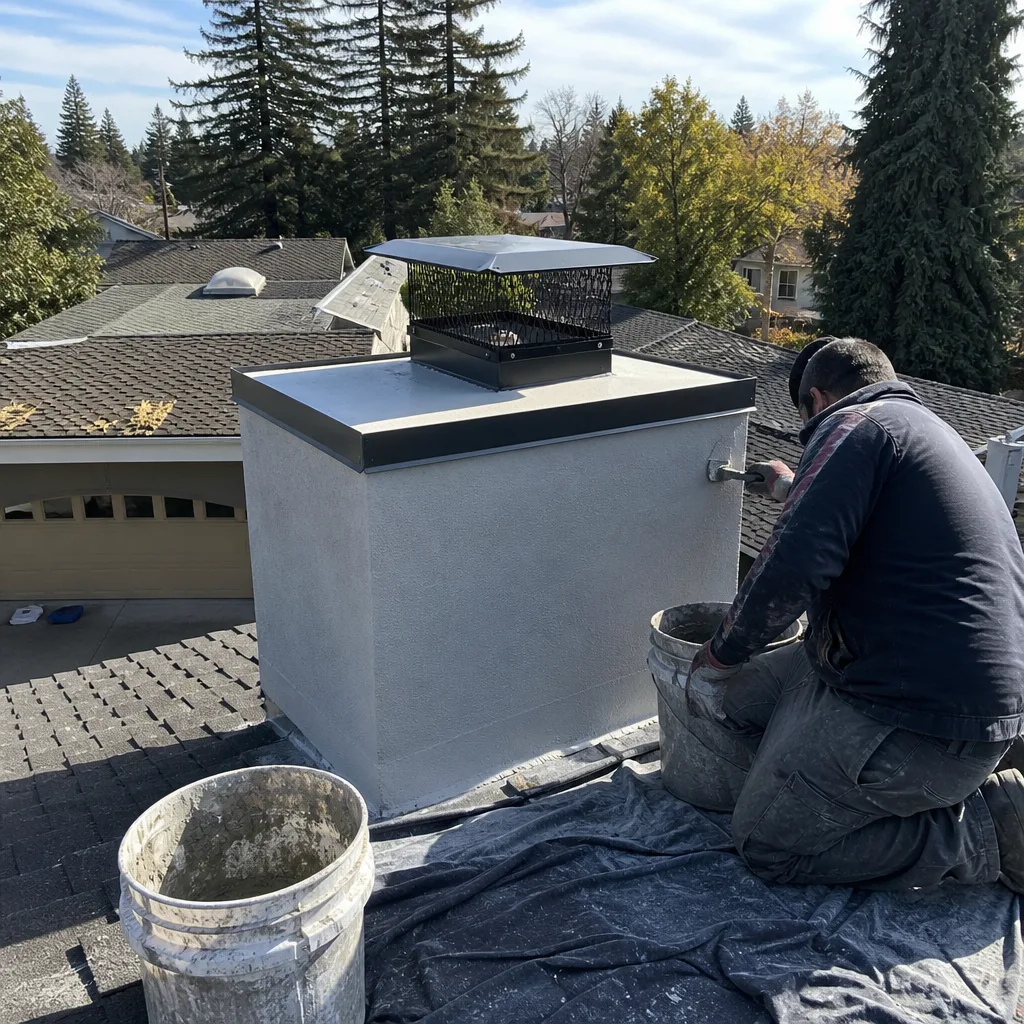 After
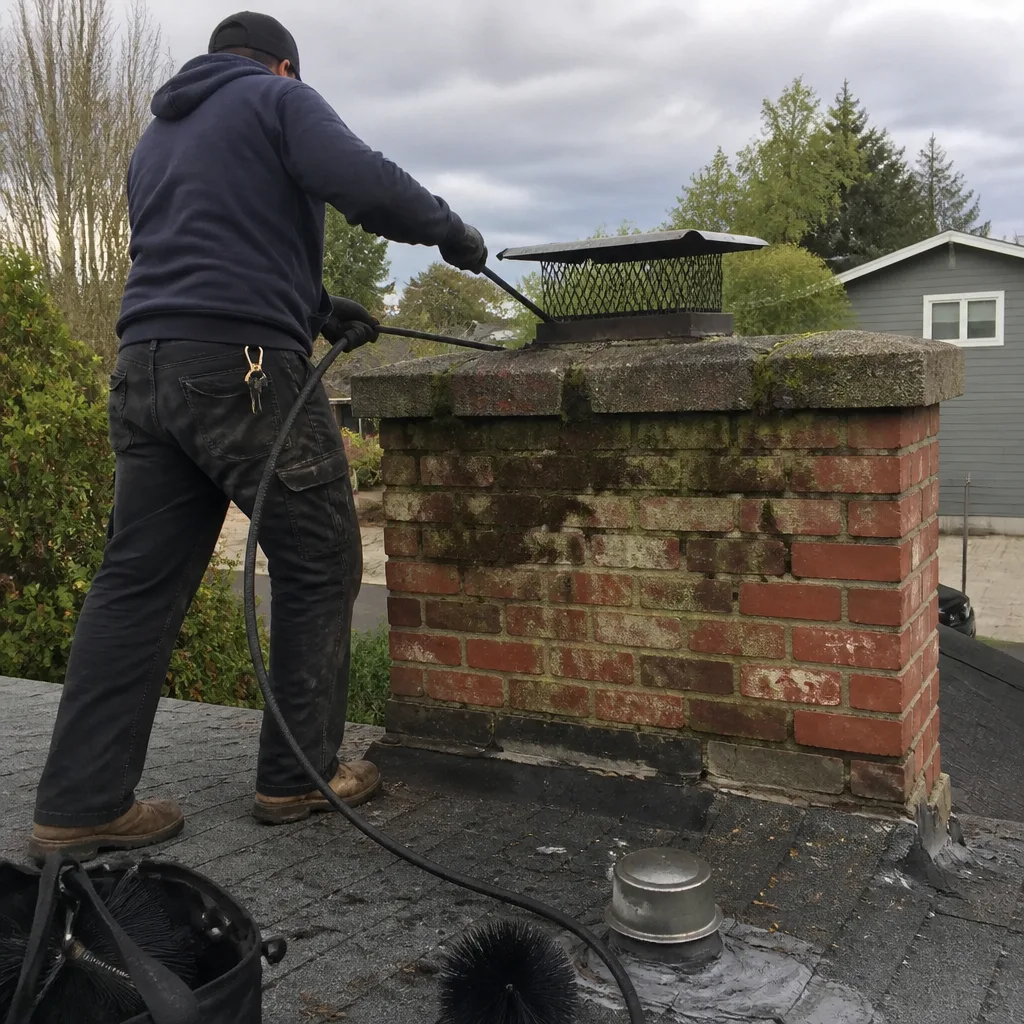 Before
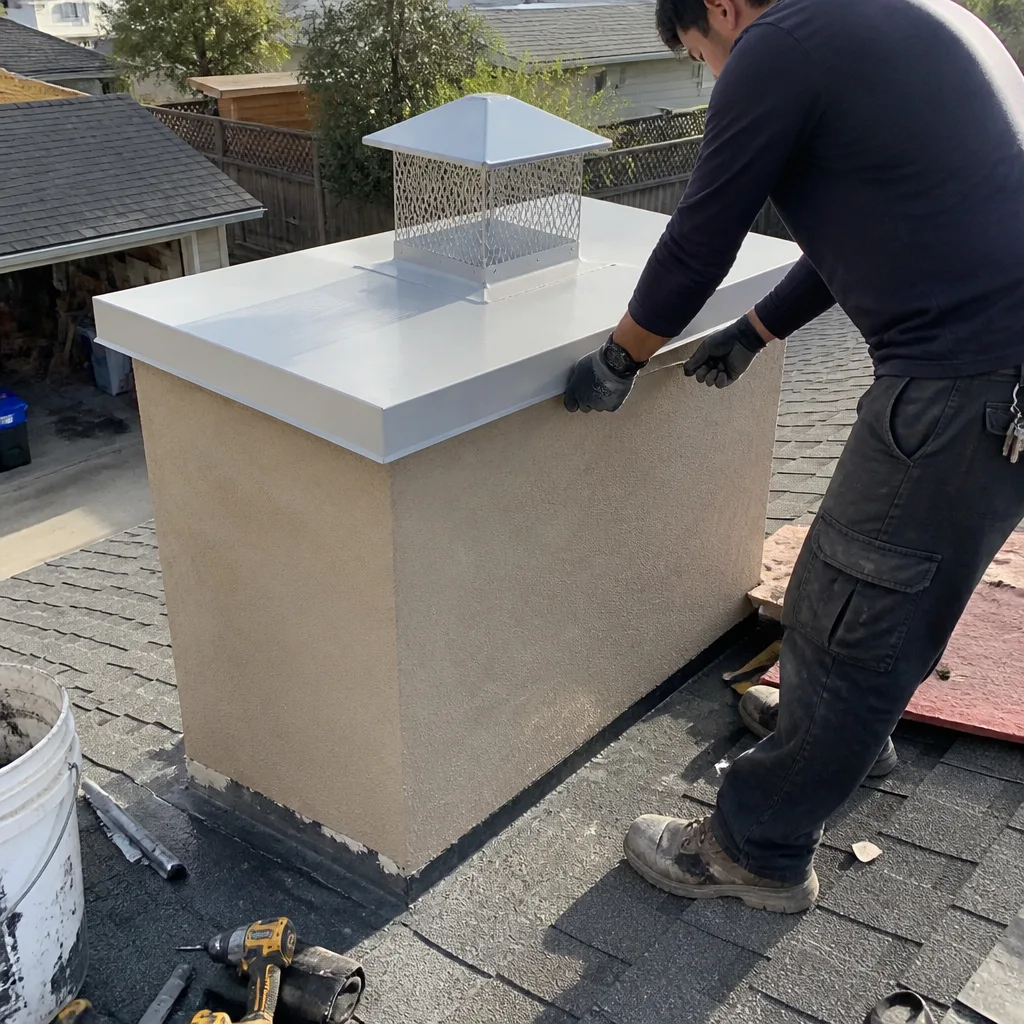 After
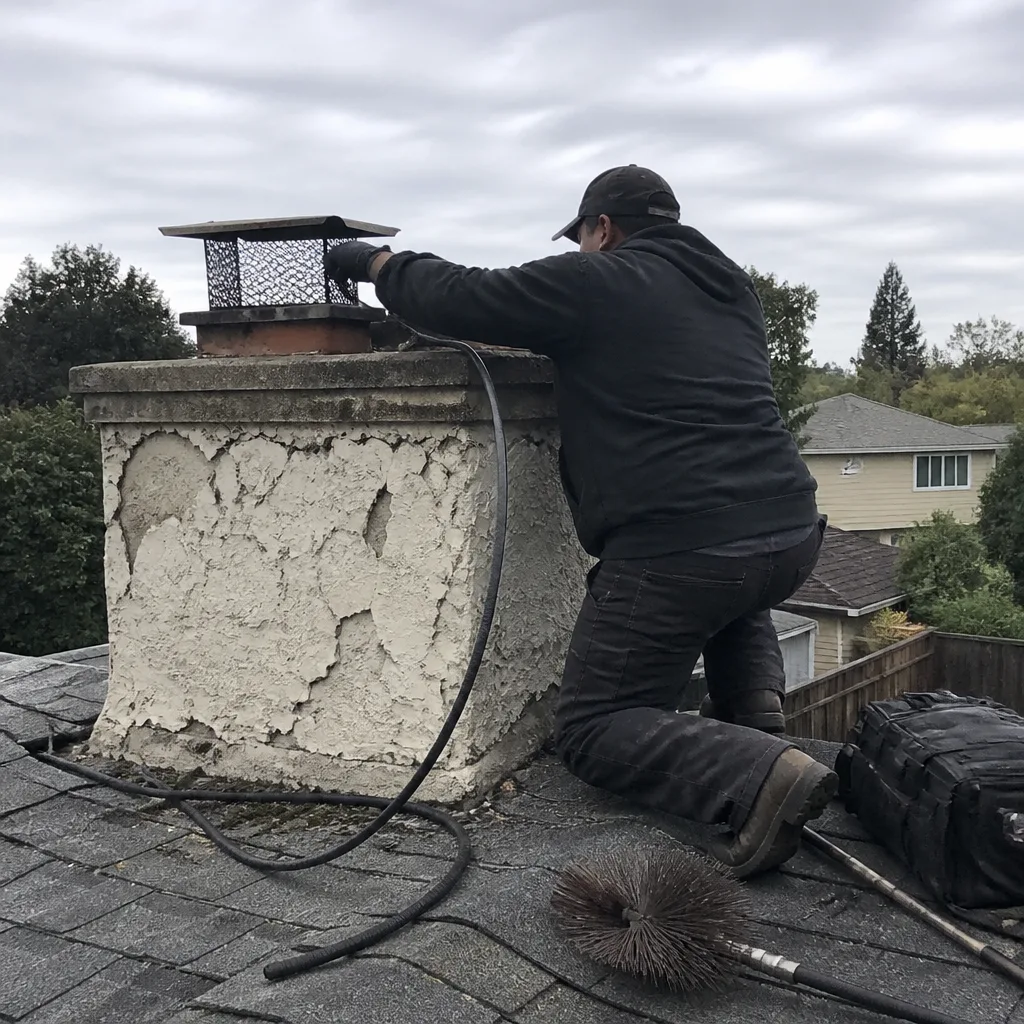 Before
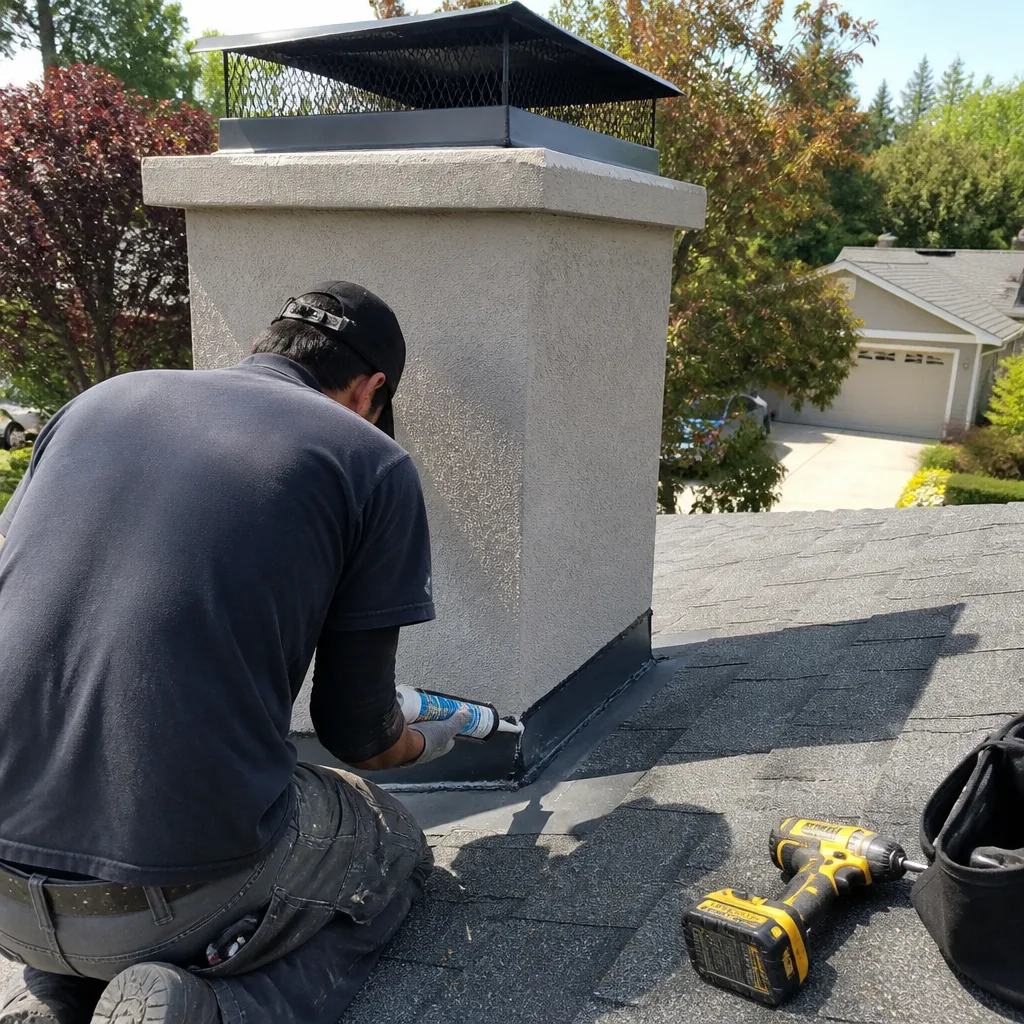 After