
Last updated November 3, 2026
 Sweep & inspection
 Caps & crowns
 Flue relining
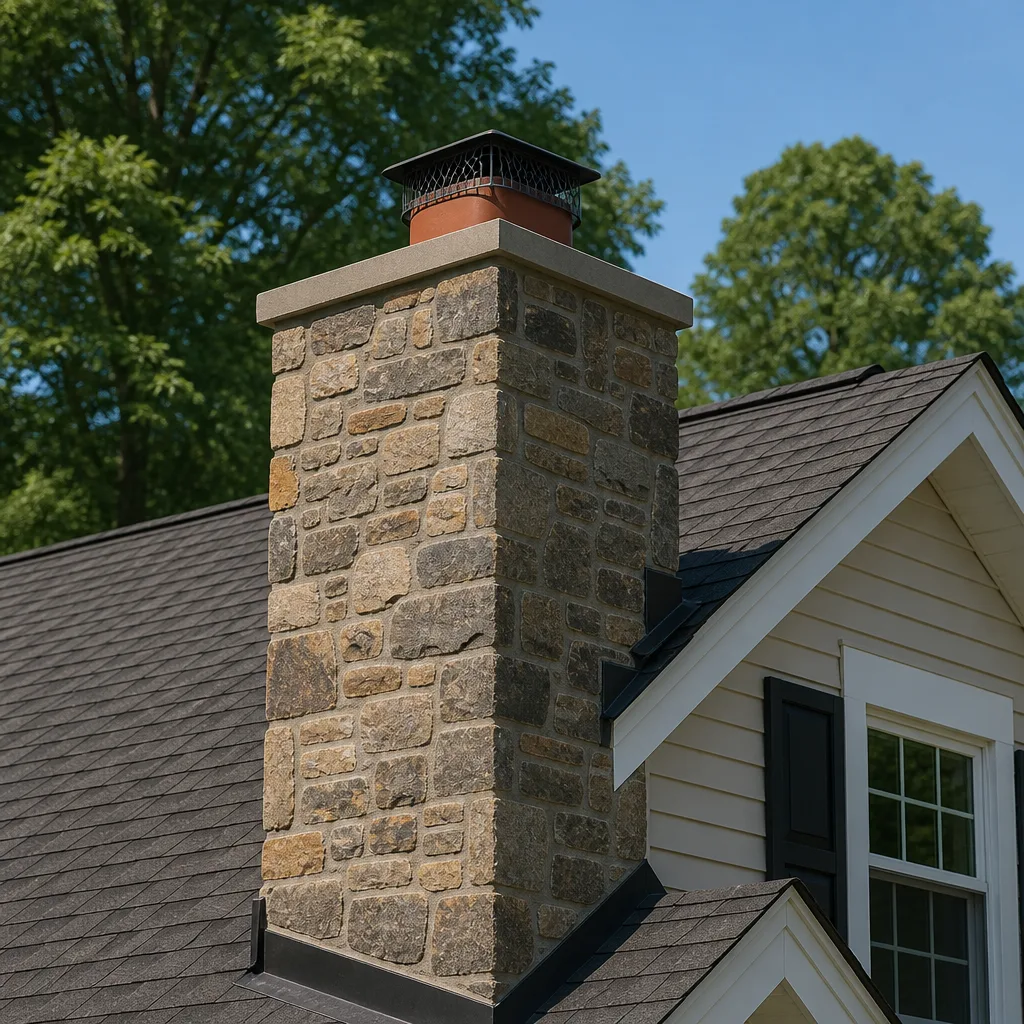 Masonry repair
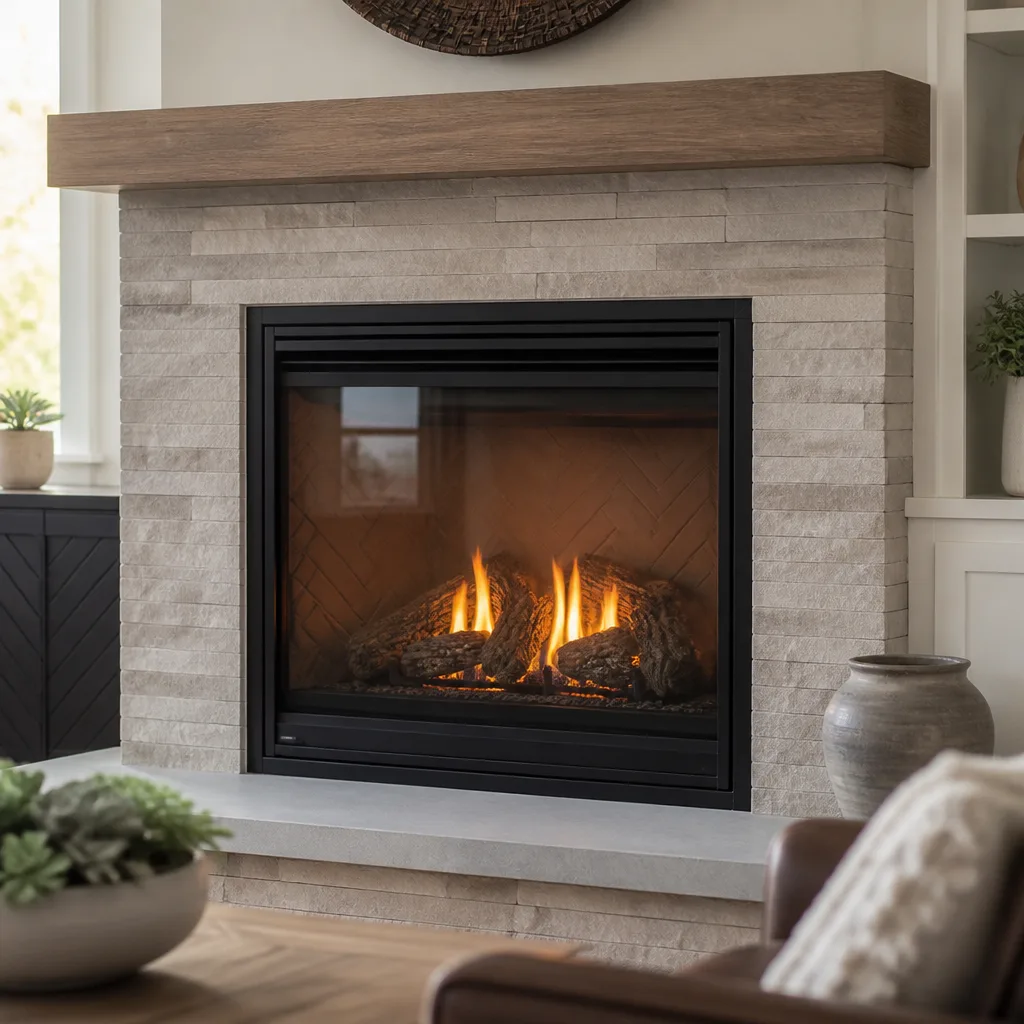 Gas fireplace service
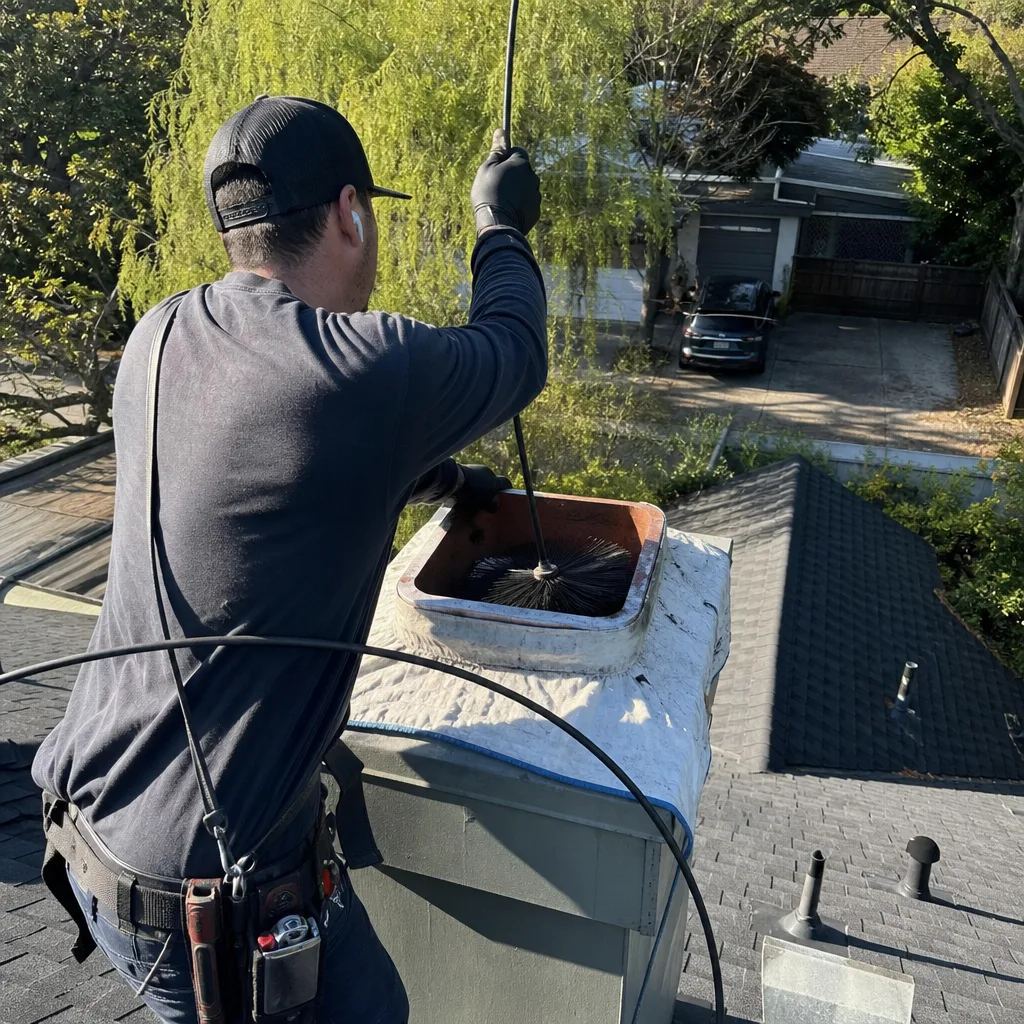
Level 1 sweep and inspection to the NFPA 211 annual standard - flue, crown, cap, and flashing checked and photographed
Chimney sweep logs do not sweep chimneys. They loosen some creosote - which then falls where a brush and vacuum still have to collect it.
Seasonal Chimney Cleaning Care for Mountain View: Year-Round Homeowner’s Guide
Wildfire season in the Bay Area introduces a problem most homeowners don’t associate with their chimney: smoke and ash can back-draft into an idle flue from regional fires, depositing acidic particulate on the liner even when you haven’t used the fireplace once. In Mountain View, where summer skies turn gray from distant burns in the Diablo Range or Santa Cruz Mountains, that particulate settles, cools, and bonds with the creosote already inside the flue. The result is a corrosive paste that accelerates liner degradation during the exact months you’re not thinking about the fireplace at all. This guide builds a year-round maintenance calendar around what Mountain View’s actual microclimate does to a venting system, so you’ll know when to schedule service, when to monitor, and when to leave the system alone.
Styles & brands we work with
- Sweep & inspection
- Caps & crowns
- Flue relining
- Masonry repair
- Gas fireplace service
Quick Answer
Chimney maintenance in Mountain View follows four seasonal checkpoints: a pre-season sweep and inspection between late September and mid-November, active-use monitoring from December through February, post-season sealing and cap inspection from March through May, and wildfire-smoke mitigation plus exterior masonry checks from June through September. Dryer vent cleaning should be scheduled on the same calendar, annually at minimum, with spring or fall being the most practical windows. The single most important principle: book your pre-season sweep before Thanksgiving, because once marine moisture settles into the flue in late fall, creosote becomes harder to remove and Spare the Air restrictions complicate burn schedules.
Table of Contents
- Why Mountain View’s Climate Demands a Different Chimney Calendar
- Fall (October – November): The Only Correct Pre-Season Window
- Winter (December – February): Monitoring During Active Use
- Spring (March – May): Post-Season Tasks Before the Dry Heat
- Summer (June – September): Wildfire Smoke, Heat, and the Idle Flue
- Dryer Vent Cleaning: Fitting It Into the Same Calendar
- What Seasonal Chimney Care Costs in Mountain View
- Common Mistakes to Avoid
- When to Call a Professional
- Frequently Asked Questions
- The Bottom Line
Why Mountain View’s Climate Demands a Different Chimney Calendar
Mountain View doesn’t get snow. It doesn’t get hard freezes. What it gets is a marine layer that rolls in most summer mornings, burns off by noon, and returns after sunset, plus a winter rainy season that alternates sustained moisture with long dry spells. For a masonry chimney, that pattern creates a specific set of stresses: repeated wet-dry cycling, salt-laden air from the Bay (mild by coastal standards, but present), and summertime temperature swings between cool nights and warm afternoons that cause expansion and contraction in brick, mortar, and crown materials.
The chimney system doesn’t care about the calendar year. It responds to moisture intrusion, combustion byproducts, and thermal cycling. In Mountain View, those three forces concentrate in different ways across the year:
- Moisture: Peak intrusion happens November through March, when rain saturates porous brick and finds its way through hairline crown cracks. The marine layer adds ambient moisture year-round, but it’s the combination of rain followed by warm spells that does the most damage.
- Combustion byproducts: Creosote builds only during active burning, which for most Mountain View homes means December through February, with occasional shoulder-season fires in November and March.
- Thermal cycling: The worst expansion and contraction happens April through October, when daytime sun heats exterior masonry and overnight marine air cools it. This is when hairline cracks widen into paths for water.
Most national chimney guides assume a climate with four distinct seasons and a hard winter shutdown. Apply that template to Mountain View and you’ll schedule service too late or skip it entirely during the months that matter. The functional calendar that actually works here runs fall-to-fall, with each season carrying a specific set of tasks tied to what the Bay Area’s weather is doing to the flue, the crown, and the cap.
One more factor that separates Mountain View from generic advice: Spare the Air days. Winter wood-burning restrictions in the Bay Area can interrupt active use, which changes how creosote accumulates. A fireplace that burns intermittently, with cold starts and incomplete combustion during short burn windows, produces a different creosote profile than one that burns continuously. That’s part of why we inspect what’s actually in the flue rather than guessing from burn frequency.
Fall (October – November): The Only Correct Pre-Season Window
The pre-season sweep window in Mountain View is narrower than most homeowners assume, and it’s one of the more useful things to understand about chimney sweeping in Mountain View. You want the flue clean and inspected before the first sustained rain, before marine moisture has weeks to interact with existing creosote deposits, and before Spare the Air restrictions begin limiting burn days. That puts the practical window between early October and mid-November.
Here’s what happens if you wait until December: creosote, which is hygroscopic, has absorbed moisture from four to six weeks of fall humidity. It’s softer, stickier, and more difficult to remove completely. The crown and mortar joints have been exposed to the first rains, so any new water intrusion has already started. And if Spare the Air days are in effect, you may be told not to burn on the very days you want to test the system.
What a proper pre-season service includes:
- Flue inspection and creosote assessment. We measure creosote depth, identify its stage (from fine dust to tar-like glaze), and determine whether standard brushing or chemical treatment is needed. Glazed creosote doesn’t respond to brushes alone.
- Damper function check. A damper that doesn’t seal completely lets warm air escape all winter, regardless of whether you burn. We check the seating, the hinge, and the cable or chain operation.
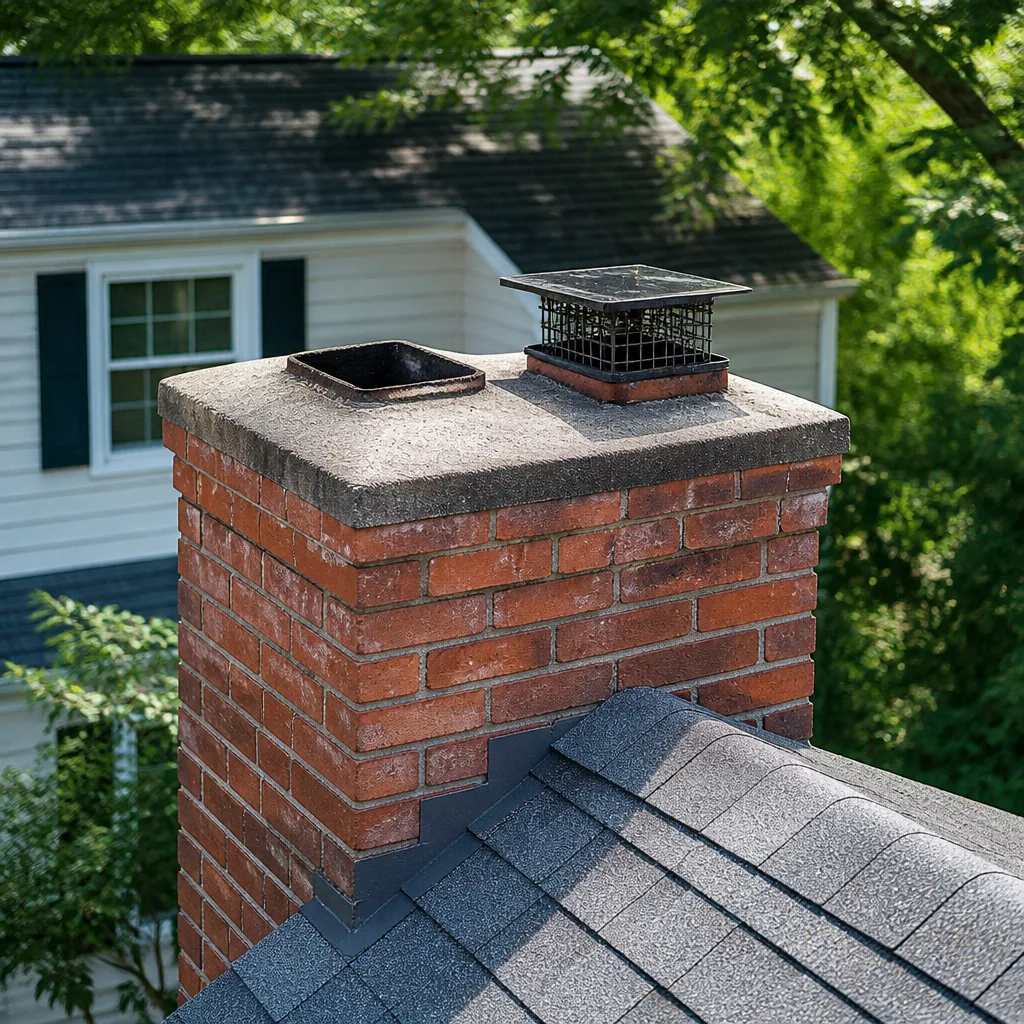
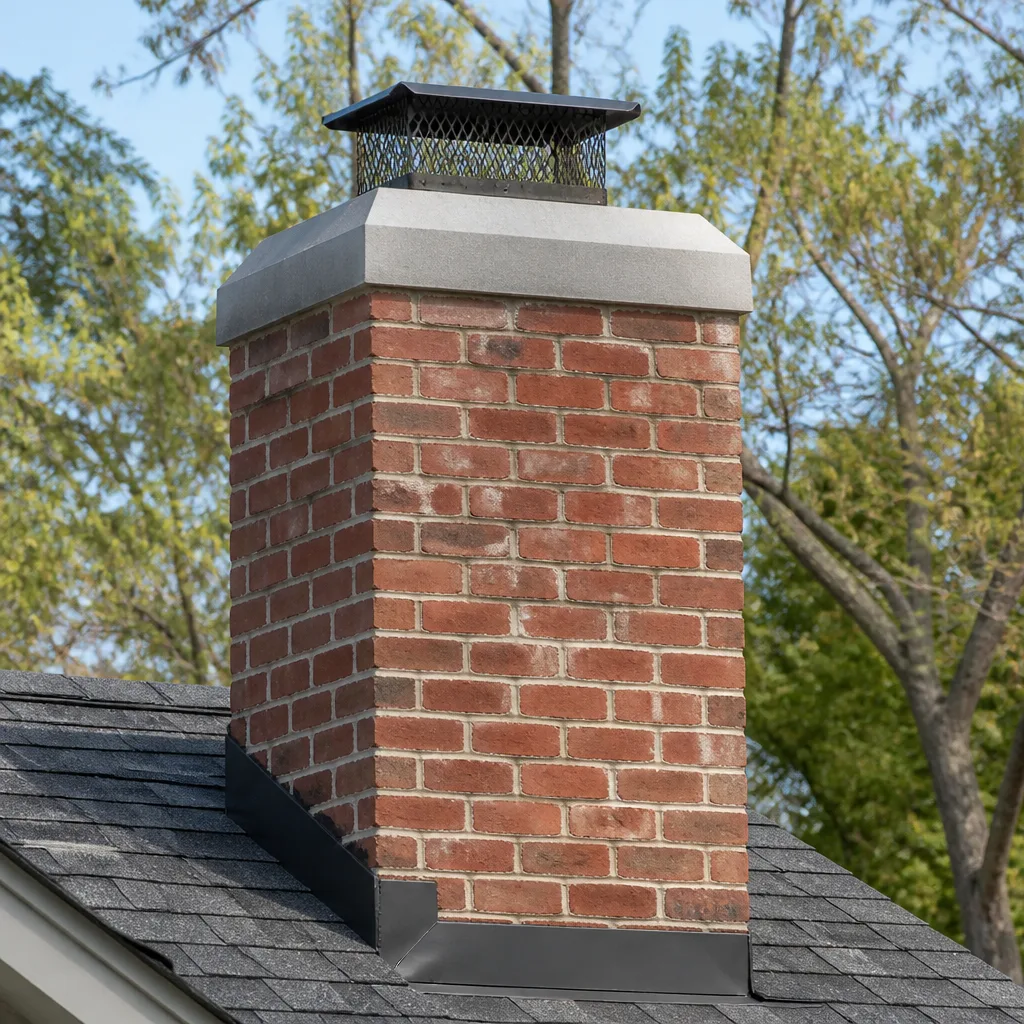
- Cap and screen inspection. Rain caps, spark arrestors, and animal screens take the brunt of summer sun and winter rain. Cracks, rust-through, or missing sections need repair before the wet season.
- Smoke chamber and shelf cleaning. Debris that falls from the flue accumulates here. Left in place, it blocks airflow and becomes a secondary creosote source.
- Crown condition review. Hairline cracks that formed over summer should be sealed before winter rain forces water into them and freezes (even in Mountain View, temperatures occasionally dip near freezing on clear winter nights).
Scheduling in this window also lines up with the contractor availability reality: every chimney company in the South Bay books up after Thanksgiving. Wait until the first cold evening when you actually want a fire, and you’re competing with every other homeowner who had the same thought. Book in October and you’ll have your pick of appointment times, including Sundays before the holiday rush.
Winter (December – February): Monitoring During Active Use
Winter is when the system earns its keep, but it’s also when small problems announce themselves. The key is knowing what to watch for and when to stop using the fireplace. None of these signs are subtle, but they’re easy to dismiss when a fire is warm and the room feels comfortable.
Three things to monitor during active use:
- Odor that gets worse with use. A mild smoky smell when the fireplace is first lit is often just dust burning off the shelf and firebox. An odor that intensifies as the fire grows, or one that smells wet, acrid, or like old bacon, indicates creosote buildup or moisture in the flue. Stop burning and get it inspected.
- Draft behavior on cold starts. A properly functioning flue should establish an upward draft within a minute or two of lighting kindling. If smoke spills into the room, the flue isn’t drawing. Common causes: a cold flue (which resolves as it warms), a partially closed damper, a blockage, or insufficient chimney height for the roofline and surrounding trees.
- Visible smoke spillage during gusty conditions. Mountain View gets winter wind patterns that can pressurize the house and interfere with draft. Persistent spillage on windy days suggests a cap issue, a height problem, or a flue that’s too large for the fireplace opening. This isn’t something to live with, it’s a signal that combustion gases aren’t fully leaving the structure.
When to stop using the fireplace immediately:
- Smoke enters the living space and doesn’t clear within a minute. Carbon monoxide is colorless and odorless, but smoke is the visible proxy. If smoke escapes, CO is escaping too.
- You hear popping, crackling, or see sparks above the damper area. That can indicate a creosote ignition event in progress. Close the damper (if accessible) and call the fire department if flames are visible.
- The fire burns unusually hot or roars. This can signal an existing chimney fire or a sudden rush of air through a newly opened pathway in the flue.
- You notice soot or debris falling into the firebox during burning. This indicates creosote delaminating from the flue walls, often a prelude to blockage or fire.
For homes with gas log sets or gas inserts, winter monitoring is simpler but not zero-effort. Watch for soot accumulation on the glass or logs (incomplete combustion), any gas odor (turn off the gas and call a professional), and pilot light behavior that changes between seasons. Gas appliances still produce combustion byproducts and still need the flue path to be clear.
Spring (March – May): Post-Season Tasks Before the Dry Heat
Spring is the season most homeowners skip, and it’s the one that prevents the most expensive repairs. Once the last fire of winter goes out, the chimney enters a period of dormancy, but the structure itself is about to face six months of dry heat and thermal cycling. What you do in March and April determines whether small cracks become structural problems by September.
Priority tasks for spring in Mountain View:
- Cap inspection after rain stops. The rainy season ends in April or May (usually). That’s the time to check the cap for rust, bent screens, or animal entry. Birds and squirrels in Mountain View are active in spring, and an uncapped or damaged flue is an open invitation. A stainless steel cap typically lasts 10 – 15 years in this climate; galvanized caps may last half that before rust compromises them.
- Crown sealing before summer heat. This is the most important spring task, and the one most often deferred. Hairline cracks in the chimney crown absorb the last rains of spring, then bake in summer heat. The water expands as it evaporates, widening the crack slightly. Each cycle makes the crack larger, until a winter storm delivers enough water to cause visible damage inside the flue or firebox. Sealing the crown with an elastomeric or acrylic sealant in April or May stops the cycle before the heat arrives.
- Off-season flue inspection. If you didn’t sweep in the fall (or if you burned more than expected), spring is an acceptable secondary window for a sweep and inspection. Burned-down creosote from the winter season can be removed before it sits in the flue all summer, absorbing humidity and becoming glazed.
- Dryer vent cleaning before summer. Summer in Mountain View means higher dryer use: more beach towels, more outdoor activity laundry, more frequent loads. A clogged dryer vent in summer carries additional risk because ambient temperatures are higher and the dryer motor works against warmer intake air. Spring is the right time to schedule dryer vent cleaning in Mountain View so the system starts the season clear.
One local nuance worth knowing: Mountain View’s spring is brief by national standards. March can still deliver heavy rain, while May often brings the first heat waves. The ideal spring service window is narrow, roughly mid-April through early May, when rain has stopped but temperatures haven’t yet hit their summer peaks. Booking in late winter for spring service is the practical approach.
Summer (June – September): Wildfire Smoke, Heat, and the Idle Flue
For most of the country, summer is the season to forget about the chimney entirely. In Mountain View, summer is when wildfire smoke from regional burns introduces a problem nobody thinks about: acidic particulate settling inside an unused flue, catalyzed by heat and humidity into a corrosive deposit on the liner.
Here’s the mechanism. During active wildfire periods in Northern California, fine particulate matter, including acids and sulfates from burning vegetation and structures, blankets the Bay Area. That particulate enters your home through open windows, ventilation systems, and, if drafting conditions allow, through the chimney itself. On warm summer evenings, the marine layer cools exterior air while indoor air stays warm, creating a mild reverse-draft condition that pulls air down the flue. Smoke particulate comes with it. The particulate settles on the flue liner, where it mixes with any residual creosote from winter, and the combination becomes a sticky, acidic coating that accelerates liner corrosion.
You don’t need to have used the fireplace once for this to happen. It’s a passive exposure problem, and it’s one of the most under-recognized maintenance issues in Bay Area chimney care.
What to do during wildfire season:
- Close the damper when not in use. This is obvious but frequently forgotten. A closed damper significantly reduces the air exchange through the flue. If the damper doesn’t seal well, consider a top-sealing damper installed at the flue opening, which creates a much tighter barrier.
- Don’t seal the flue with plastic or tape. Temporary seals prevent airflow but trap moisture and create conditions for mold or accelerated creosote breakdown inside the flue. The better solution is a properly fitted chimney cap with a fine-mesh screen that limits particulate entry while still allowing the flue to breathe.
- Inspect exterior masonry for heat-cycle cracking. Summer heat, especially during heat waves when temperatures climb into the 90s (and occasionally higher in Mountain View), causes exterior brick and mortar to expand. The overnight marine layer cools it rapidly. This cycle is most intense from June through September, and it’s when hairline cracks in mortar joints become visible. Walk the chimney exterior monthly during summer and mark any new cracks you find. Small cracks filled immediately are inexpensive; cracks left to widen through the next winter become structural.
- Schedule a post-wildfire-season inspection if smoke exposure was prolonged. If the Bay Area experienced multiple weeks of heavy smoke during summer, the flue should be inspected before the next burn season, even if you swept the previous fall. We’ve seen liners coated with wildfire residue that looked like creosote but responded differently to cleaning. Knowing what’s actually in the flue changes the approach.
Summer is also a practical time for chimney repairs in Mountain View. With no burning pressure and generally dry weather, it’s the easiest season to schedule crown sealing, masonry repair, cap replacement, or even larger chimney repair work without weather delays or burn-season urgency.
Dryer Vent Cleaning: Fitting It Into the Same Calendar
The dryer vent and the chimney share a common role in a home: both move hot, particle-laden air out of the living space, and both fail in the same way when neglected. Lint accumulation in a dryer vent is structurally similar to creosote buildup in a flue: a combustible material deposited by air that’s moving a little too slowly, in a space that’s a little too narrow. The National Fire Protection Association has identified dryer vents as a leading cause of residential fires, year after year, and the pattern is the same as chimney fires: deferred maintenance, then a sudden ignition event.
That’s why we treat the two systems on a shared calendar. Our team handles chimney sweeping, dryer vent cleaning, and chimney repair as one service scope, so a single visit covers both venting systems. Here’s the cadence that works for most Mountain View households:
- Annual minimum for all households. Even a one or two-person household should have the dryer vent cleaned once per year. Lint doesn’t care how many people live in the house; it accumulates based on dryer use, and even light use produces enough lint to partially obstruct airflow within 12 months.
- Every 6 months for large households or heavy laundry. Three or more people doing three or more loads per week generate enough lint to warrant twice-yearly cleaning. Families with young children, athletic households, or anyone washing pet bedding frequently should plan for spring and fall cleanings.
- Same-visit scheduling. If you’re already booking a fall chimney sweep, add dryer vent cleaning to the appointment. The service takes 30 – 45 minutes and clears a fire risk that most homeowners never see, because the vent is behind the dryer and out of sight.
The calendar fits naturally. In fall, clean the chimney for burning season and the dryer vent for winter drying (when clothes can’t line-dry). In spring, clean the dryer vent for summer beach season and inspect the chimney for post-winter damage. The two systems don’t interact mechanically, but they share the same failure mode: ignored until something stops working or catches fire.
What Seasonal Chimney Care Costs in Mountain View
Chimney service pricing in Mountain View reflects the Bay Area’s labor market, which runs higher than national averages. What you’re paying for is a technician who understands the local microclimate, the specific liner types common in South Bay homes, and the codes and inspection standards that apply. Here’s what to expect:
- Standard chimney sweep and inspection: $180 – $320, depending on flue size, accessibility, and creosote condition. Homes with glazed creosote or long-flue configurations (common in two-story Mountain View houses) trend toward the higher end.
- Dryer vent cleaning: $90 – $180 for a standard single-story vent run. Longer runs, roof terminations, or severely clogged vents add cost.
- Cap replacement or repair: $150 – $450 installed, depending on cap material (stainless vs. galvanized) and flue tile size. Stainless caps with fine-mesh screens cost more but last significantly longer in the marine-influenced climate.
- Crown sealing: $250 – $600, depending on crown condition, access difficulty, and whether cracks need filling before sealing. Crowns on two-story homes with steep roof access cost more.
- Chimney liner inspection (camera): $120 – $250 as a standalone service, often included at reduced cost with a full sweep.
- Complete liner replacement: $2,800 – $6,500, depending on flue size, liner material (stainless vs. aluminum), and installation complexity. Homes with existing HeatShield or DuraFlex-compatible configurations may have lower-cost restoration options.
These ranges reflect what we see across Mountain View neighborhoods, from Old Mountain View bungalows with masonry flues to Waverly Park two-story homes with longer flue runs and higher roof pitches. Exact pricing depends on what the inspection reveals, which is why we provide written quotes after the technician sees the system, not estimates over the phone based on square footage or home age.
Common Mistakes to Avoid
- Scheduling the first sweep in December. By then, creosote has absorbed fall moisture, Spare the Air days may restrict testing, and every chimney company is booked. The correct window is October to mid-November.
- Skipping the cap inspection because “it looks fine from the ground.” Most cap damage isn’t visible from ground level, especially on two-story homes. Rust-through at the screen edges and cracks in the cap’s seam line require close-up inspection.
- Ignoring the dryer vent because “the chimney is the fire risk.” Dryer vents cause thousands of fires annually nationwide, and lint is more readily combustible than many types of creosote. If you heat with an electric dryer rather than natural gas, the vent is the largest combustion risk in the appliance stack.
- Waiting for visible crown cracks before sealing. Once cracks are visible from the ground, they’ve been propagating for months or years. Sealing should happen when hairline cracks are first detectable, ideally during a spring or summer inspection, not after a winter leak shows up inside the firebox.
- Burning pine or unseasoned wood during winter. Mountain View doesn’t have the cold climate that forces homeowners to burn softwood, but it’s still common. Pine and other conifers produce more creosote per cord than hardwoods like oak or madrone. Unseasoned wood compounds the problem by burning cooler and producing more smoke, which means more condensation on flue walls.
- Assuming gas fireplaces don’t need service. Gas log sets and inserts still produce combustion byproducts, still require a clear flue path, and still benefit from annual inspection. Carbon monoxide from a malfunctioning gas appliance is odorless and invisible; the flue is the safety mechanism.
- Waiting for wildfire season to pass before inspecting the flue. If smoke exposure was significant, the flue should be inspected before the next burn season, not after. Waiting means you may be lighting the first fire of winter on top of a liner coated with leftover wildfire particulate.
When to Call a Professional
Some chimney tasks are genuinely DIY-friendly: sweeping the firebox, checking the damper for smooth operation, doing a monthly visual inspection of exterior mortar joints. The rest requires training, equipment, and an honest ability to see what’s inside a flue that the human eye can’t reach. Call a professional when you notice smoke spillage during burning, water stains on the ceiling near the chimney, falling mortar or brick fragments in the firebox, a strong creosote odor during humid weather, or persistent draft problems that don’t resolve as the flue warms. Call immediately if you suspect a chimney fire has occurred, even a small one, because flue damage from an ignition event isn’t always visible without a camera inspection. Chimney Sweep Mountain View offers free estimates in Mountain View, call (866) 596-8327.
Frequently Asked Questions
A chimney that sees regular winter use in Mountain View should be swept once per year, with the ideal timing between early October and mid-November, before the rainy season and before Spare the Air restrictions begin. Homes that burn more than three cords of wood per season, or that burn softwoods, may need a second sweep mid-winter. Even chimneys that see no active use should be inspected annually, particularly after wildfire seasons that deposit particulate in the flue. Call (866) 596-8327 to schedule a sweep, estimates are free.
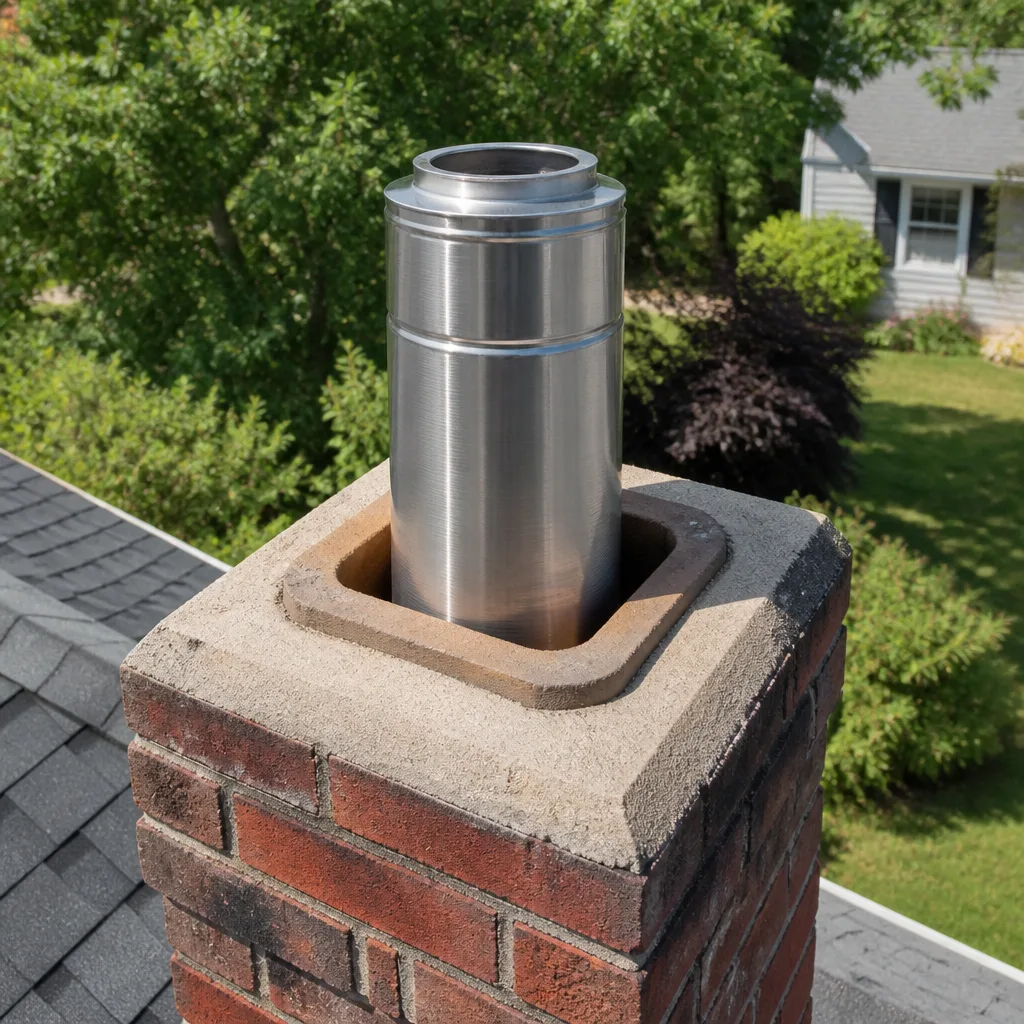
Not every liner problem requires full replacement. Some flue liners with minor cracking or surface spalling can be restored with a HeatShield resurfacing product, a ceramic-based material applied to the existing liner that seals cracks and rebuilds the smooth interior surface, without the cost or demolition of full relining. The distinction depends on what the camera inspection shows: surface damage responds to resurfacing, while structural collapse, severe offset, or liner sections that have separated from the flue walls typically require new liner installation, often with a DuraFlex flexible stainless system sized to the flue. We don’t recommend liner replacement without providing camera evidence you can see yourself. Call (866) 596-8327 for an inspection and camera report.
Creosote continues to accumulate, and in Mountain View’s humid fall and winter climate, it absorbs moisture and becomes stickier and more difficult to remove. What started as a $300 sweep may become a $500 – $700 service requiring chemical treatment or rotary cleaning for glazed creosote. More seriously, accumulated creosote is the fuel for a chimney fire, and the acids in creosote accelerate liner corrosion, potentially turning a cleanable flue into one that requires $3,000+ in liner work. The cost of skipping is always higher than the cost of routine service. Call (866) 596-8327 to get back on schedule.
Yes. Wildfire smoke contains acids and fine particulate that can enter an idle flue through reverse-draft conditions common in Bay Area summer evenings, when cool marine air outside meets warm indoor air inside. The particulate settles on the flue liner, mixes with residual creosote, and creates a corrosive coating that accelerates liner degradation. Homes near open space, like those in the Cuesta Park or Blossom Valley areas, tend to see more exposure. A post-wildfire-season inspection is worth scheduling before the next burn season. Call (866) 596-8327 to book one.
You can clean the first few feet of the vent from the dryer side, and you should clean the lint trap after every load, but a full vent cleaning requires equipment most homeowners don’t own: a proper rotary brush sized to the vent diameter, an access point at the wall or roof termination, and a way to verify that the entire run is clear. Partial cleaning creates a false sense of security, because the restriction is usually mid-run or at the termination, not at the dryer connection. Lint is highly combustible, and a blocked vent also causes dryers to run longer, use more energy, and overheat. Call (866) 596-8327 for a full vent cleaning.
A sweep is the physical removal of creosote, soot, and debris from the flue; an inspection is the diagnostic assessment of the chimney’s structural and functional condition. In practice, a good sweep includes a basic inspection, because the technician sees the flue surface while cleaning it. But a Level 2 inspection, which uses a camera to examine the full flue length, the smoke chamber, and the damper assembly, goes beyond what a sweep reveals and may be necessary for homes that haven’t been serviced in years, that are changing fuel type, or that may have sustained wildfire smoke exposure. Chimney Sweep Mountain View includes a visible-light inspection with every sweep and offers camera inspection as an add-on. Call (866) 596-8327 for details.
The Bottom Line
Mountain View’s chimney calendar runs on a different logic than the rest of the country. The marine layer, the short wet season, the summer wildfire smoke, and the Spare the Air restrictions create a specific set of tasks that should be scheduled across the year: pre-season sweep in October and November, active-use monitoring through winter, crown sealing and cap inspection in spring, and wildfire-smoke mitigation plus masonry checks in summer. The dryer vent belongs on the same calendar, because it fails the same way, for the same reason: deferred maintenance. One company, one call, and both venting systems are handled: Chimney Sweep in Mountain View, Dryer Vent Cleaning in Mountain View, and Chimney Repair in Mountain View.
Written by the team at Chimney Sweep Mountain View, serving Mountain View since 2015.
See the difference
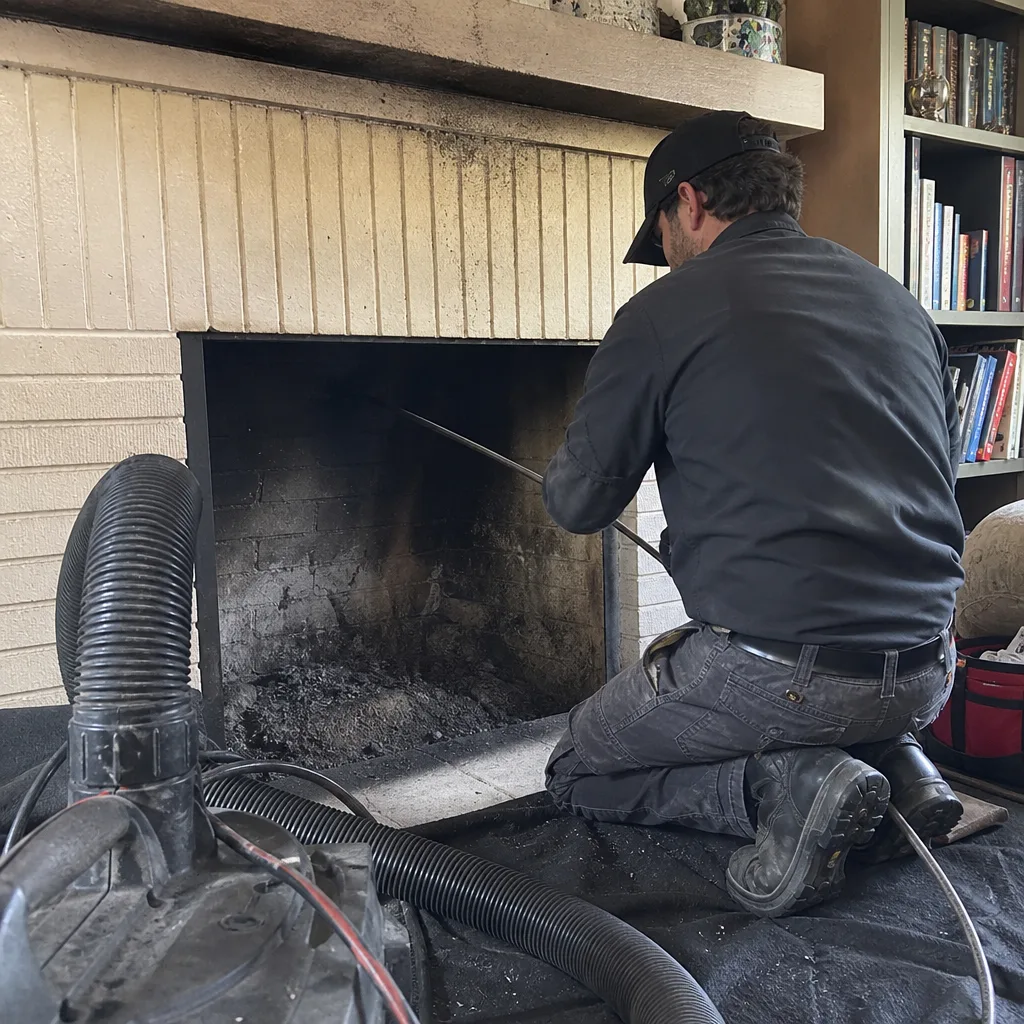 Before
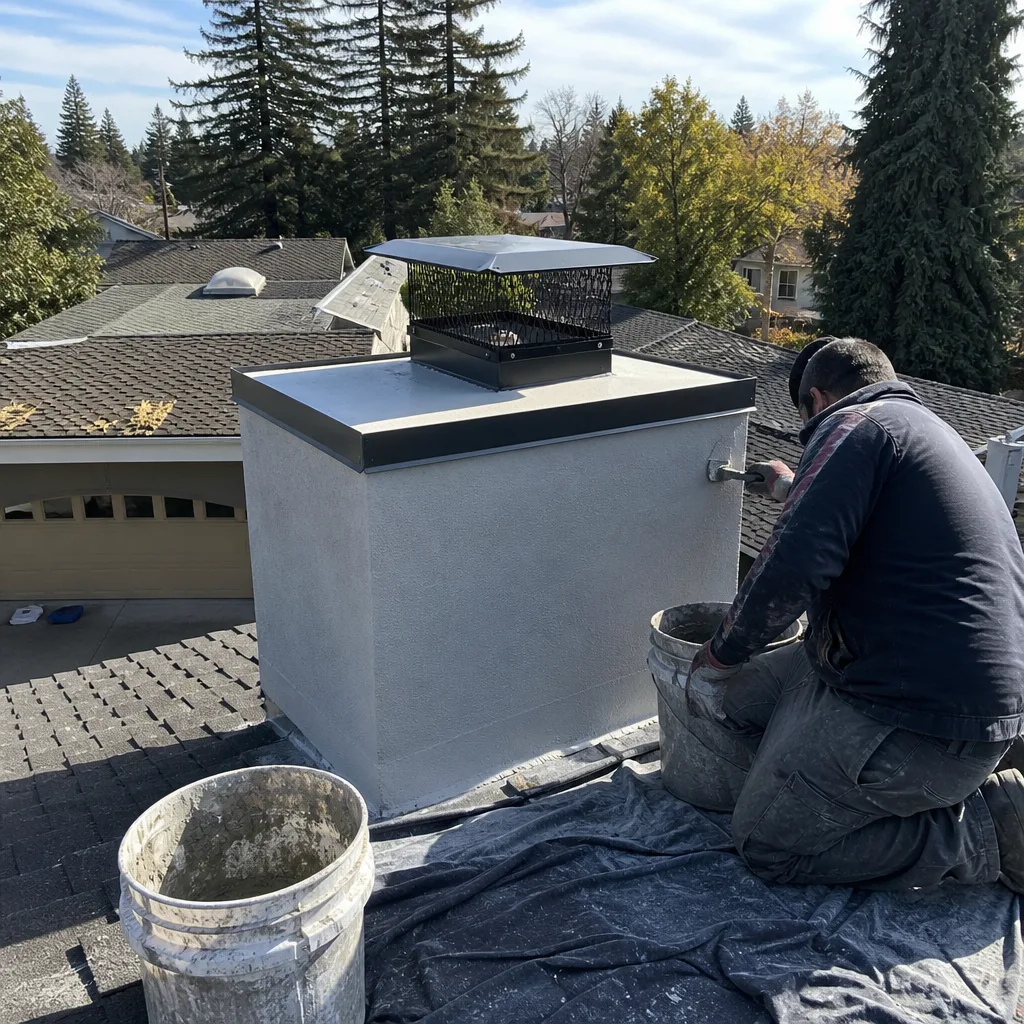 After
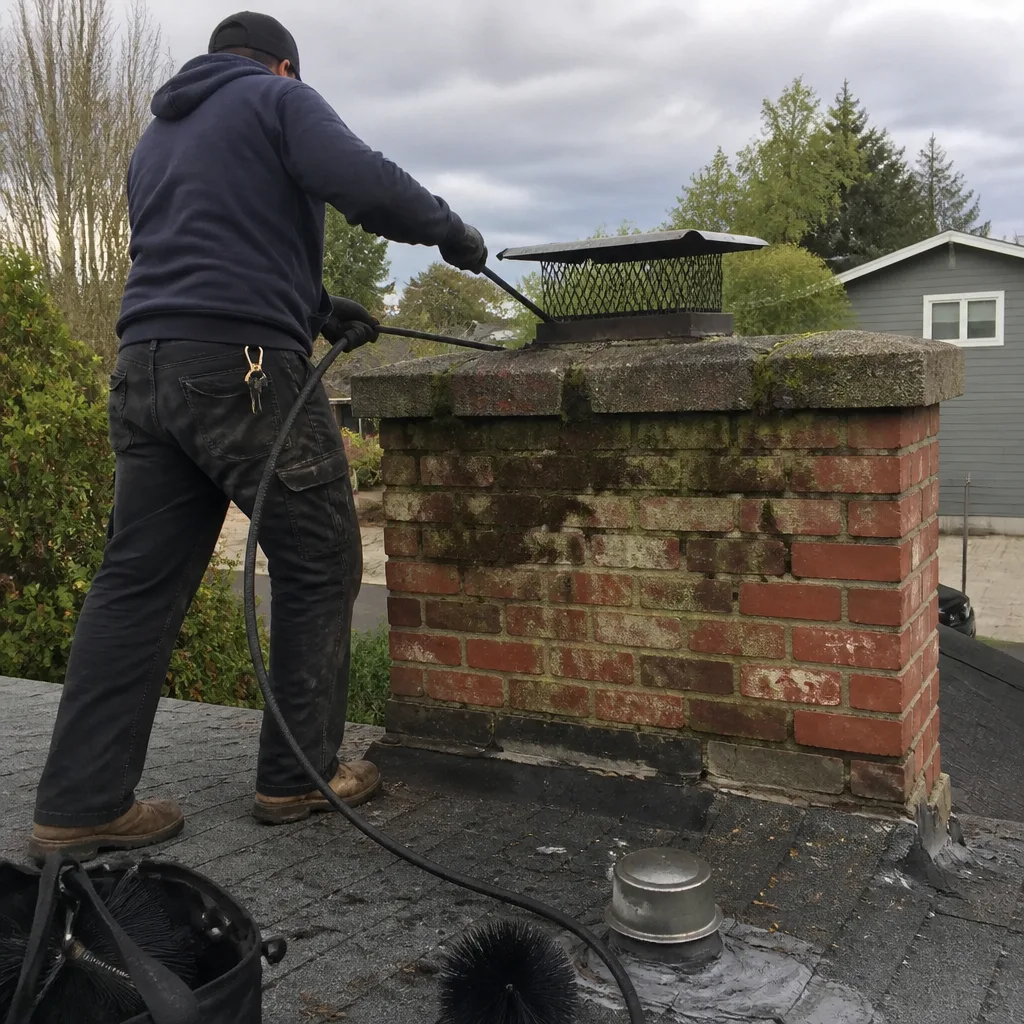 Before
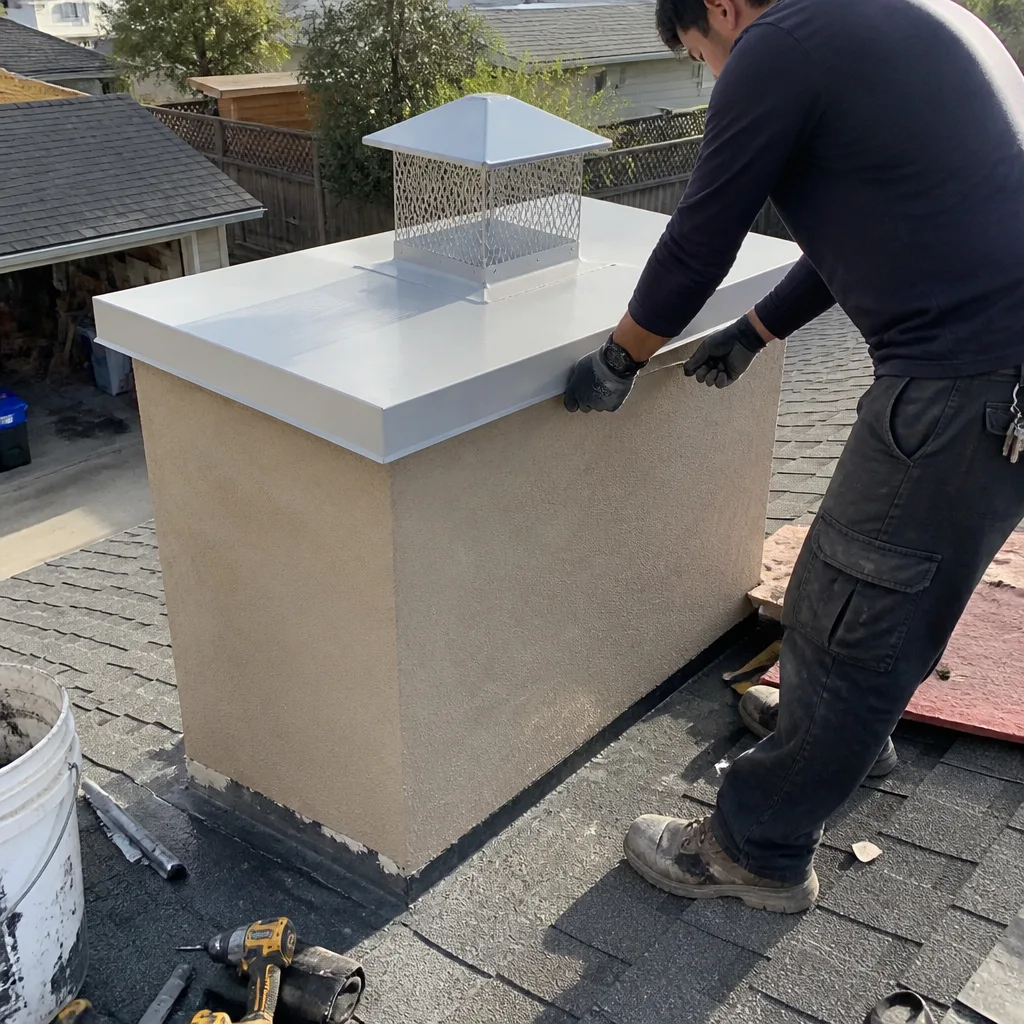 After
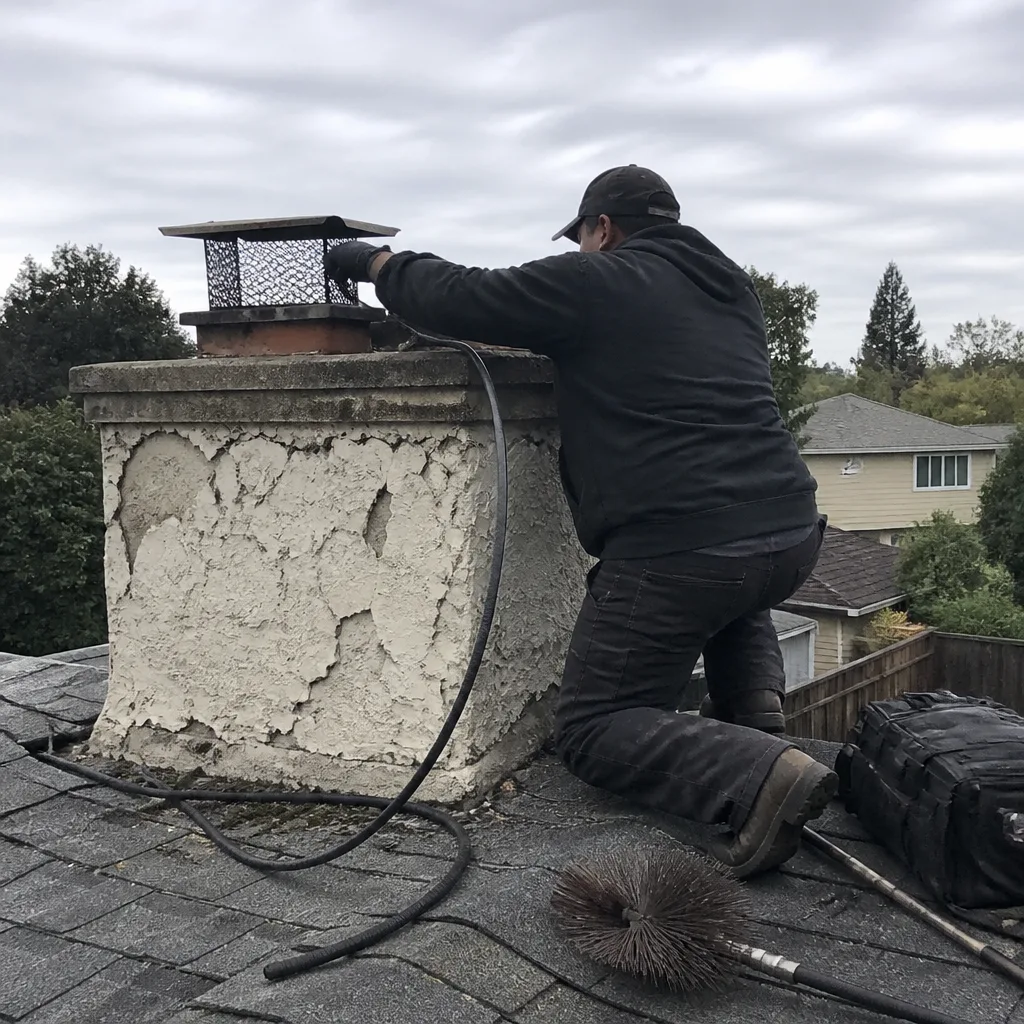 Before
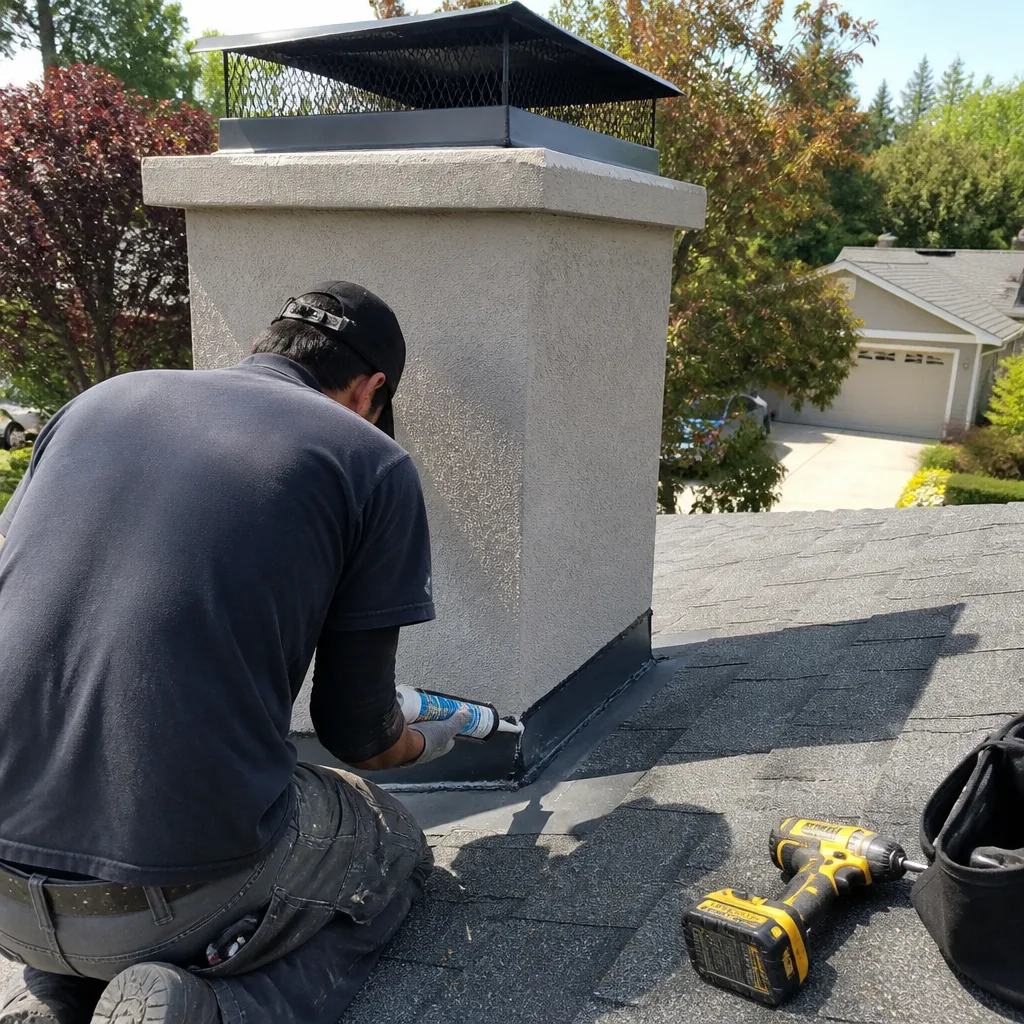 After